- AI photography uses AI models to generate photorealistic images. The models learn from millions of photographs. You need no camera and no set.
- You describe what you want. The model then renders it in minutes, not hours.
- It works well across several image types. It is changing how brands and e-commerce businesses create images.
- This guide compares AI and traditional photography on quality and cost. It also shows you how to choose a provider.
Understanding AI Photography: A New Era of Image Creation
AI photography generates photorealistic images using artificial intelligence models. These models learn from millions of photographs. Traditional photography needs a camera, a subject, lighting, and a photographer. AI photography skips all of that. You just describe what you want, and AI renders it for you.
This technology has changed how brands, e-commerce businesses, and creative professionals create images. Styling, lighting, composition, and retouching once took hours on a film set. Now the same result takes minutes on a computer.
But what is AI photography exactly? Is it truly photography, or just digital art? How good is it really? This guide answers everything.
How Does AI Photography Work? The Technical Explanation (Made Simple)
To understand how AI photography works, you first need to know about diffusion models. This technology powers tools like GPT Image 2, Nano Banana Pro, and specialized fashion AI platforms.
The Basic Process
1. Training: Teams train AI models on billions of labeled images from the internet. The model learns to recognize patterns. It picks up how lighting works, how fabric drapes, how human faces look, how shadows fall, and how colors interact.
2. Diffusion: When you make a request (called a "prompt"), the AI starts with random noise. It then gradually refines that noise based on your description. Think of it like starting with TV static. The AI slowly removes the static to reveal the image underneath.
3. Iteration: You can refine the output. Ask for different angles, different lighting, or different backgrounds. The AI regenerates variants in seconds.
The result? A photorealistic image that never existed before. It's built to match exactly what you asked for.
The Key Difference from Traditional Photography
Traditional photography: Camera → Light → Sensor → Image
AI photography: Description → AI Model → Render → Image
With traditional photography, you capture light reflecting off a physical object. With AI, you generate an image pixel-by-pixel based on learned patterns. The output looks identical to the eye. But the process is completely different.
Types of AI Photography: Where It Excels
AI photography works better for some categories than others. Knowing which types work best will help you decide if AI is right for your brand.
Product Photography
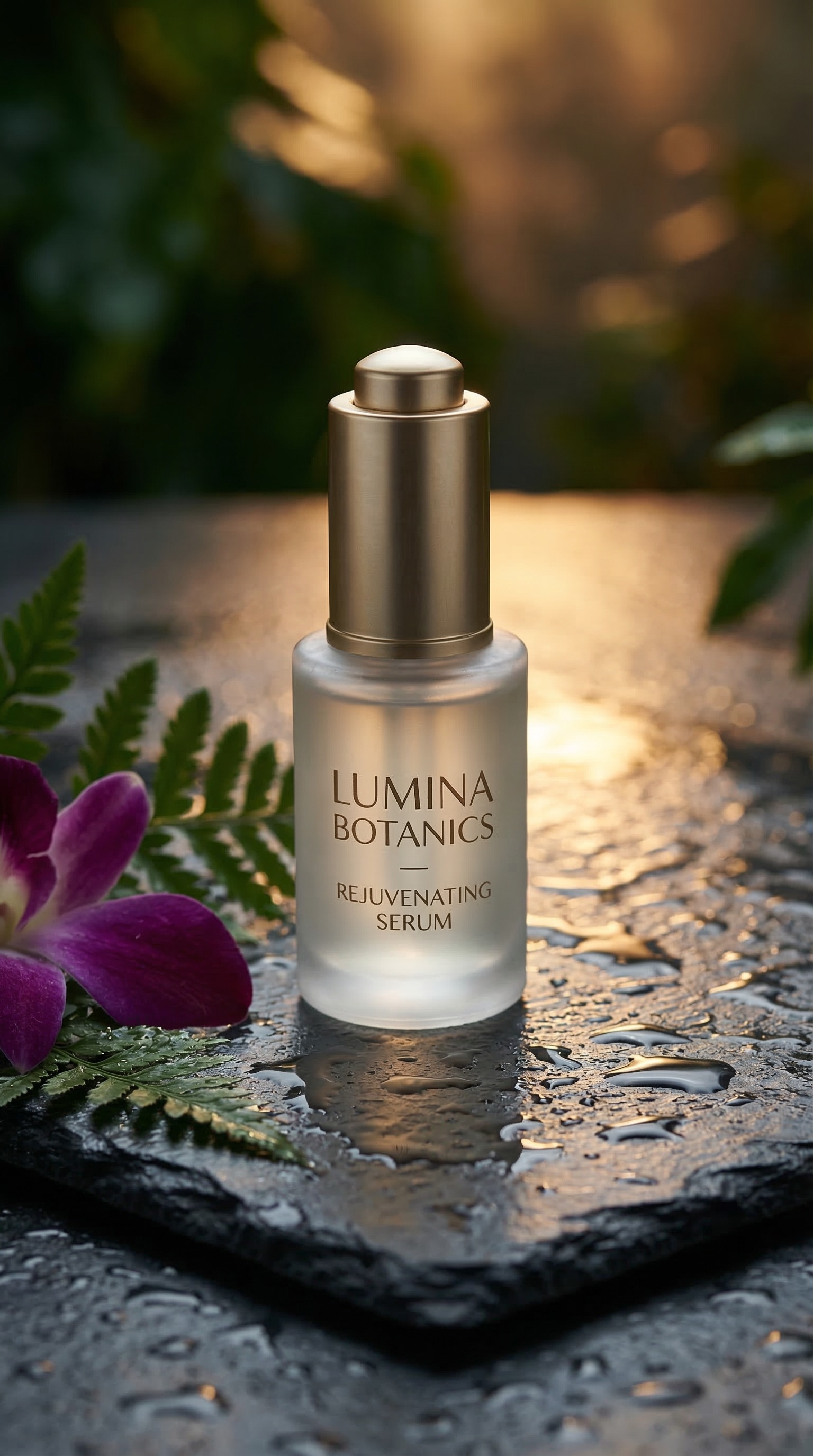
AI excels at product photography. Clean white backgrounds, consistent lighting, multiple angles, and different colors are exactly what AI does best.
Best for: E-commerce brands, fashion, accessories, electronics, home goods.
Quality: Most viewers can't tell it apart from professional photography.
Speed: 50 product photos in 2 hours (vs. 8 hours with a photographer).
Fashion Photography
AI fashion photography is changing how brands show their collections. AI can generate diverse body types, different skin tones, different poses, and different styling instantly. That's a big win for inclusive fashion brands.
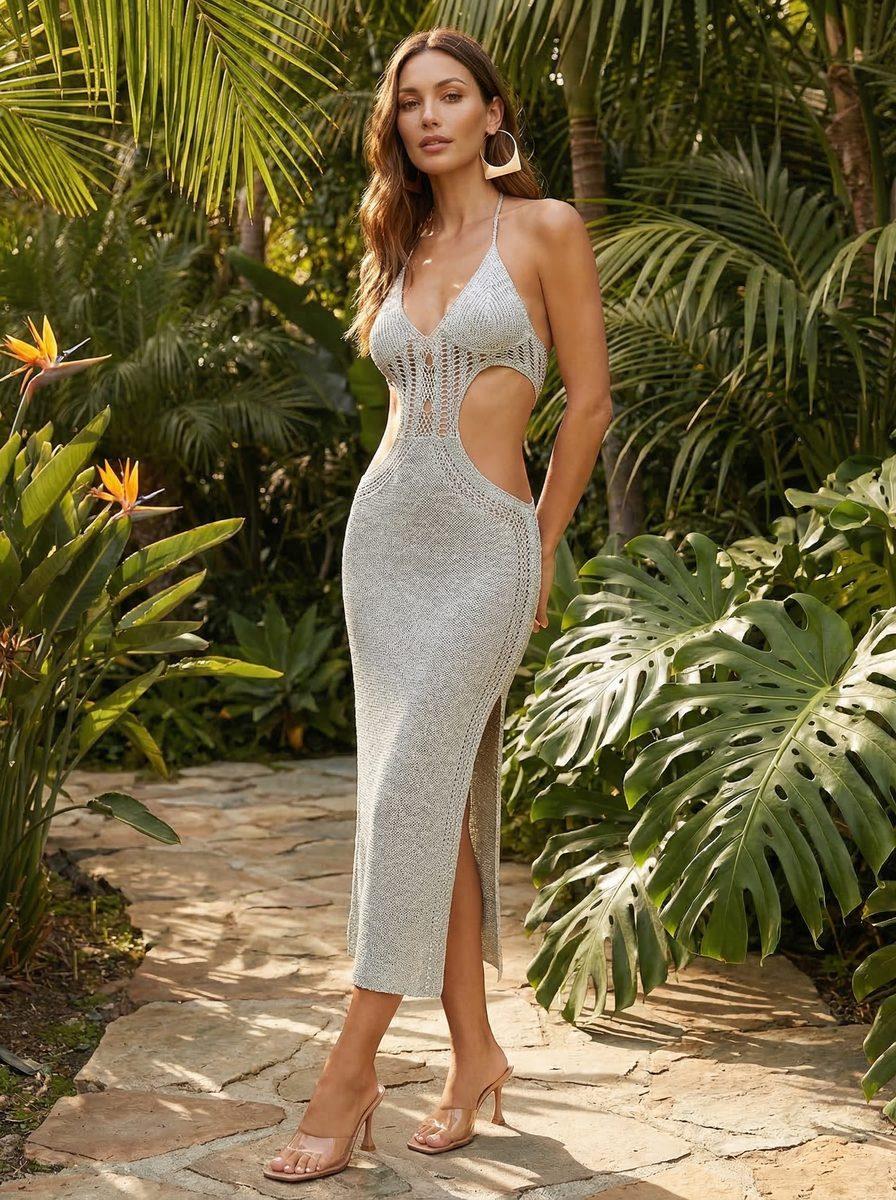
Best for: Fashion brands, apparel companies, lookbooks, seasonal campaigns.
Advantage over traditional: Unlimited model diversity without booking fees or scheduling conflicts.
Food Photography
AI is strong with food styling. It can generate beautifully styled dishes with perfect lighting. The result looks good enough to eat.
Best for: Restaurant websites, food delivery apps, recipe blogs, food product packaging.
Limitation: Complex food textures (like crusty bread or melted cheese) sometimes look slightly artificial.
Lifestyle and Context Photography
AI can generate lifestyle photos that show products in context. Picture a watch on a wrist against a sunset. Or a yoga mat in a bright home studio. Or a coffee mug on a desk next to a laptop.
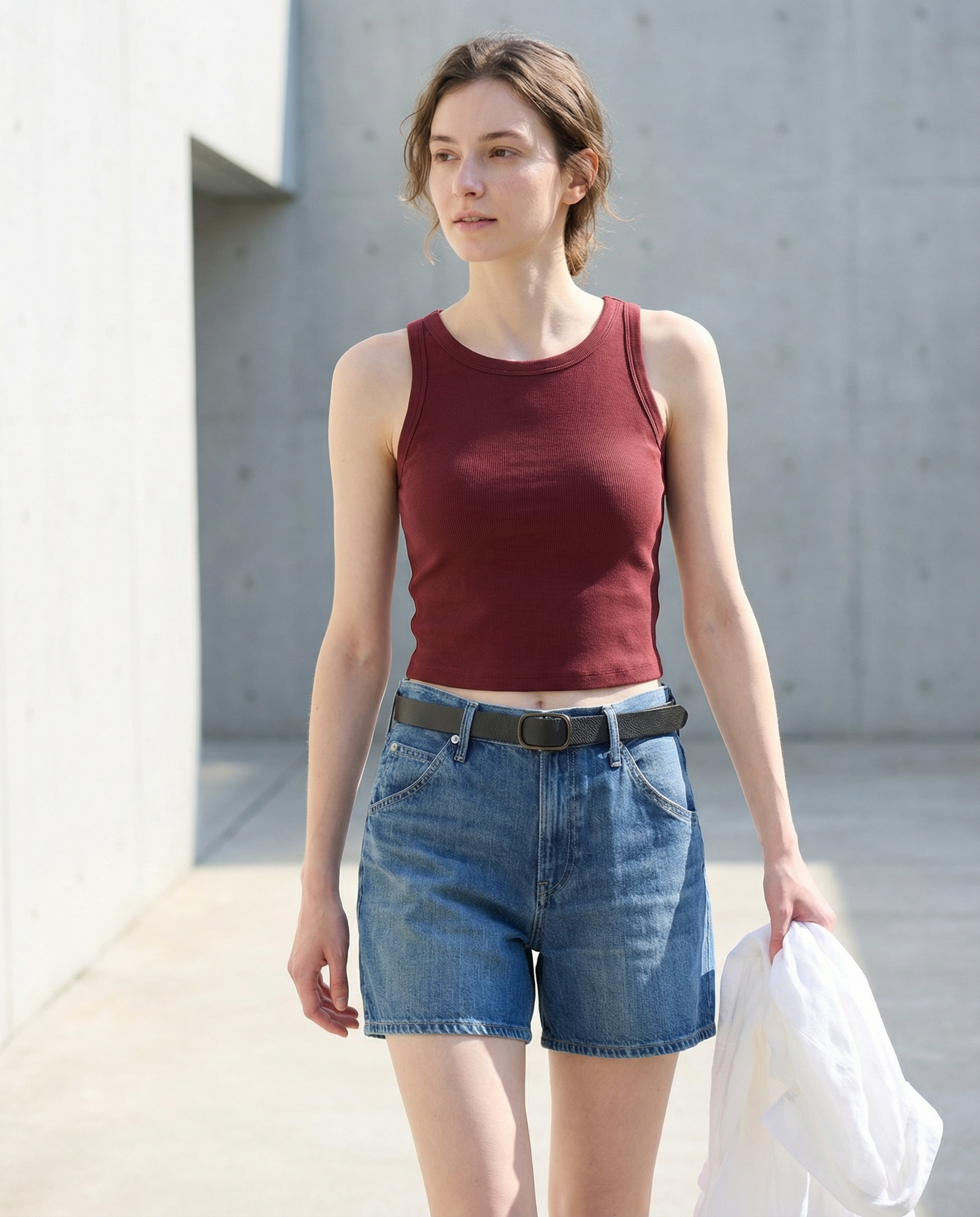
Best for: Social media content, website hero images, lifestyle brands.
Where AI Still Struggles: Hyperrealistic Detail
AI photography is less effective for:
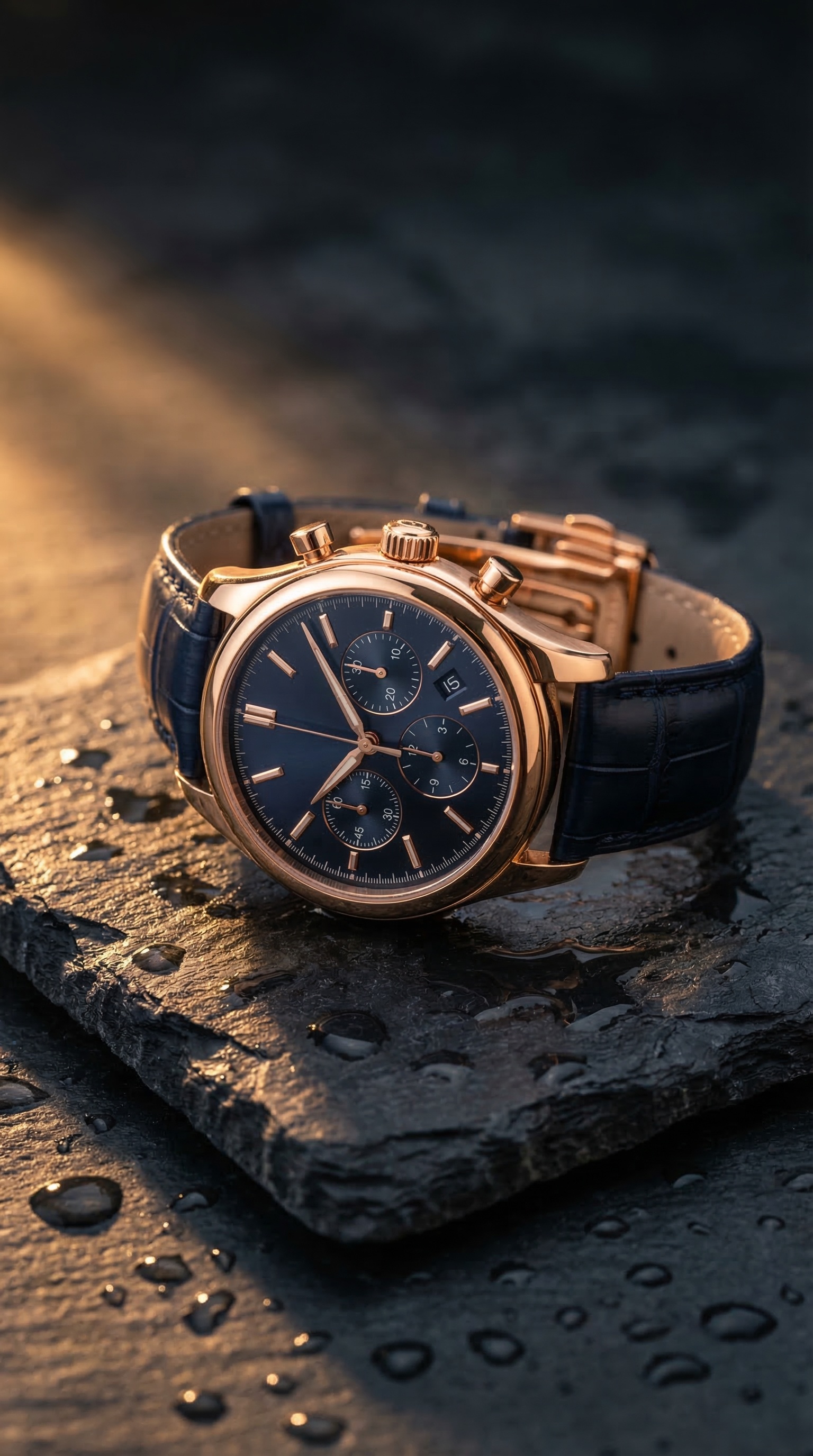
- Ultra-luxury items with complex reflections: High-end watches, jewelry, mirrors, and reflective surfaces sometimes show artifacts.
- Complex fabric textures: Intricate lace, delicate sheer fabrics, and detailed knit patterns can look slightly "off."
- Hands and fingers: Human hands still occasionally show odd shapes in AI images.
- Multiple people interacting: Group shots with complex interactions are harder to get right than single subjects.
These limits shrink every month as the technology improves.
The AI Photography Process: What to Expect
If you've never worked with AI photography, here's what the workflow looks like.
Step 1: Brief and Asset Preparation (1–2 days)
You provide product specs, style guidelines, brand colors, your desired look, and target markets. For product photography, you might provide a product image or a detailed description instead.
Step 2: Prompt Engineering and Testing (1–2 days)
Your AI team writes detailed prompts and generates test variations. You review the results and give feedback on style, lighting, and composition.
Step 3: Generation and Refinement (1–3 days)
The AI generates dozens or hundreds of variations based on the approved direction. Your team then picks the best outputs.
Step 4: Post-Processing and Delivery (1 day)
Your team optimizes the final images for your platform: web resolution, mobile size, print specs. They deliver everything in your preferred format.
Total timeline: 3–7 days from brief to delivery. Traditional photography takes 4–6 weeks by comparison.
AI Photography vs. Traditional Photography: The Real Comparison
| Factor | AI Photography | Traditional Photography |
|---|---|---|
| Cost per image | Significantly less | $50–$500 |
| Time to delivery | 2–7 days | 4–8 weeks |
| Variations/versions | Unlimited | Limited (requires re-shoot) |
| Model diversity | Infinite (any body type, skin tone, age) | Limited (whoever you can hire) |
| Scalability | Linear (more images = more compute) | Exponential (more images = much more expensive) |
| Authenticity | Generated (not a real moment) | Captured (real moment in time) |
| Quality ceiling | High (professional grade) | Unlimited (depends on photographer skill) |
| Human creativity | AI interprets your vision | Photographer brings creative expertise |
The verdict? AI wins on speed, cost, and scalability. Traditional photography still wins on authenticity, emotional depth, and handling unique or complex scenes.
Is AI Photography "As Good As" Real Photography?
This is the question everyone asks.
For e-commerce product photography: Yes. An AI-generated product photo on a white background looks just as good as a professional product shot. Customers can't tell the difference. Conversion rates are equivalent too.
For fashion and lifestyle: Mostly yes. AI fashion photography looks more and more like professional photography. The main gap is in high-fashion editorial work. There, style and narrative matter as much as image quality.
For luxury editorial campaigns: Not quite yet. Ultra-luxury brands (high-end fashion, fine jewelry, luxury watches) still prefer traditional photography. It conveys the authenticity and craft that luxury audiences value.
But this is changing fast. By 2026–2027, most viewers won't spot the technical gap. "Good AI photography" and a professional photographer will look the same.
class="was-h4"The Real Question Isn't Quality—It's Authenticity and Trust
Here's what we've learned working with 200+ brands. Customers don't consciously care whether a product photo came from a camera or from AI. They care about three things. Does it show the product clearly? Does it look appealing? Does it match their expectations?
The bigger question is transparency. Should you disclose that images are AI-generated? For e-commerce product photos, no. It's marketing material, and customers already expect some enhancement. For claims about authenticity (heritage products, handmade goods, artisan items), yes. Be transparent.
Ready to test AI photography for your brand?
Book a free demo and see how AI-generated photos perform for your product catalog.
Book a Free DemoCost Analysis: What Does AI Photography Actually Cost?
AI photography costs much less than traditional photography. Pricing is structured around service type and project scope.
Self-Service AI Tools
Various AI platforms offer subscription models for teams that want to handle image generation in-house. These need you to learn AI prompting techniques. In return, they offer flexibility for small projects and experiments.
Best for: Experimenting, small projects, design teams comfortable with AI tools.
Downside: You must learn AI prompting. It takes real time, and quality varies widely.
White-Label AI Photography Services
Professional AI photography providers offer project-based pricing that matches the scope of your needs. Pricing scales with project size, from small product catalogs to large-scale initiatives.
- Small projects: Starting at a few thousand for focused product sets.
- Mid-size projects: Scaling up for broader catalogs with multiple variations.
- Large-scale projects: Custom pricing for enterprise-level content creation.
Best for: Brands that want professional results without learning AI themselves.
What's included: Consultation, style direction, prompt engineering, generation, curation, post-processing, final delivery.
Enterprise/Subscription Models
For ongoing content needs, many providers offer subscription and retainer plans. These cost far less than traditional photography over time.
Best for: Brands with consistent, ongoing photography needs (seasonal launches, social media, A/B testing).
Pricing transparency: Contact providers for current pricing and custom quotes based on your specific needs.
How to Choose an AI Photography Provider
Maybe you've decided AI photography is right for your business. Here's what to look for in a provider.
Portfolio and Specialization
Look at their previous work. Do they have experience in your category, such as fashion, food, or product? Can they show before/afters that prove their quality? Does their style match your brand look?
Understanding of Your Industry
Generic AI services produce generic results. The best providers understand e-commerce conversion, fashion brand positioning, and platform rules. Amazon product guidelines, for example, differ a lot from Instagram lifestyle photos.
Revision Process and Flexibility
Ask how many revision rounds are included. Can you request variations in different directions? What happens if you want major changes partway through?
Technical Capability
Not all AI services are equal. Some use basic off-the-shelf tools. Others have custom-trained models, and some combine multiple AI platforms. The best results come from specialized platforms built for your exact use case.
Quality Assurance and Delivery
Do they run final QA checks? Do they deliver in the exact formats and resolutions you need? Can they handle file specs for different platforms, like website, Instagram, Amazon, and print?
Pricing Transparency
Understand what's included: revisions, delivery formats, source files, commercial usage rights, turnaround time, revision process.
Use Cases: Where Brands Are Using AI Photography Today
E-Commerce Product Launches
A Singapore fashion brand launches 50 new SKUs per season. They used to book a studio 4 times a year. Now they use AI for initial product photography instead. They save professional shoots for hero campaign content. The result: photography costs drop 60%, and launches happen 3 weeks faster.
Model Diversity and Inclusion
A global fashion brand wants to show their clothing on diverse models. They need different ethnicities, body types, ages, and abilities. Traditional photography would need booking 20+ different models. With AI, they generate thousands of variations instantly. The result: more inclusive brand representation and better conversion rates in diverse markets.
A/B Testing and Optimization
An e-commerce brand wants to test whether lifestyle photos convert better than flat-lay photos. They also want to know if darker backgrounds increase click-through. With AI, they generate both versions in hours for a fraction of the cost. Traditional photography would cost far more and take 4 weeks.
Social Media Content at Scale
A food brand needs 15 Instagram posts per week showing their products in different contexts. Traditional photography means hiring 4 photographers and shooting 4 days a month. AI photography needs just 2 hours a week to generate the same content.
Seasonal and Localized Campaigns
A global brand wants to show their products in summer beach scenes, winter snow scenes, and tropical settings. They need it all in one week. Traditional photography would need three separate location shoots. AI photography gets it done in 2 days.
The Future of AI Photography: What's Coming Next
2026–2027 outlook:
Hyperrealistic improvements: Hand details, complex textures, and reflective surfaces will become nearly perfect. The visual gap between "AI" and "traditional" will shrink to almost nothing.
Faster iteration: What now takes 5 days will take 1 day. Real-time AI image generation will become standard.
Video integration: AI video generation is advancing faster than anyone expected. Within 18 months, AI video product photography will work commercially for e-commerce. This is a game-changer.
Personalization at scale: AI will generate product photos personalized to individual customers. It will show products on models that look like them, in environments they prefer.
Integration with creative tools: Photoshop, Figma, and other design tools will build AI image generation right in. It will become as standard as filters.
What won't change: AI will remain a tool for human creativity. It won't replace it. The brands winning with AI aren't trying to fully automate. They're using AI to boost human creative vision.
The Bottom Line: Should Your Brand Use AI Photography?
Use AI photography if:
- You have 50+ products to photograph regularly.
- You need fast turnaround: days, not weeks.
- You want to test multiple creative directions cheaply.
- You need diverse representation in models, settings, or styles.
- You launch seasonally and need rapid iteration.
- Your category is product, fashion, food, or lifestyle.
- Your photography budget is tight.
Stick with traditional photography if:
- You're an ultra-luxury brand where authenticity is core to your positioning.
- You have fewer than 20 products and rarely add new ones.
- Your product has complex textures or materials that AI struggles with.
- You want candid, documentary-style photography.
- You're building a lifestyle brand with narrative storytelling.
- You need video content, though AI video is improving fast.
Best option for most brands: A hybrid approach. Use AI for volume and speed. Use traditional photography for strategic hero content and brand campaigns.
Conclusion: AI Photography Is Here to Stay
AI photography isn't a trend or a gimmick. It's a fundamental shift in how brands create visual content. The technology is mature now. The real question isn't "Does it work?" It's "What role should it play in my creative strategy?"
For e-commerce brands, fashion companies, and product-focused businesses, AI photography is no longer optional. It's a competitive advantage. Brands that master AI content creation will outpace competitors on speed, cost, and creative flexibility.
The future isn't AI versus human photographers. It's smart brands using both, in the right combination, to create content that converts.
Ready to Transform Your Product Photography?
We've helped over 200 brands speed up their photography workflow with AI. From product launches to seasonal campaigns, discover what's possible for your brand.
Book a Free Consultation