- AI fashion photography looks just like traditional shoots for most product needs.
- It makes real model diversity affordable. The same garment can show across body types, ethnicities, and ages.
- A 50-piece collection used to take months. AI can generate it in one to two weeks, with more variations.
- One base shoot can turn into market-specific images. You don't need to pay for new locations or models.
- The strongest approach is hybrid. Use AI for scale and refreshes. Use traditional shoots for hero campaigns and luxury positioning.
The Fashion Content Crisis
Here's a problem every fashion brand faces. You launch a new collection. It's stunning on the runway. The fabrics are incredible. The fit is perfect. But can you create enough product photography to sell it at scale? That's where things fall apart.
You need your new dress in every size. You need it on multiple body types, modeled by people of different ethnicities. You need it shot in different poses and angles, with multiple background options. Multiply that by 50 SKUs in a new collection. Now you need 300–500 product photos to properly show your line.
Traditional fashion photography shoots for that volume take 4–6 weeks and cost $50,000–$150,000 in production. And that's before the seasonal refresh. It's before you want different styling variations. It's before you need market-specific versions.
AI is changing this equation entirely.
How AI Fashion Photography Actually Works
Here's the basic process. Upload your garment, either as a photo or a detailed description. Select your preferred models, poses, backgrounds, and styling. Hit generate. Seconds later, you have dozens of photorealistic variations.
But it goes deeper than that. The best AI fashion tools now understand:
- Fabric behavior: How silk drapes differently than linen, how structured fabrics hold their shape, and how wrinkles form and move realistically.
- Fit and sizing: How a garment fits on different body sizes and proportions.
- Lighting: How different materials interact with light, from matte to glossy, transparent to opaque.
- Context: Lifestyle photos that show the garment worn in realistic settings.
- Consistency: The same model, pose, and lighting held across multiple product variations.
The result? Fashion photos that look just like traditional photography for most e-commerce needs.
The Model Diversity Revolution
Here's where AI becomes genuinely transformative for fashion brands.
In traditional photography, you book models. If you want your dress shown by women of different ethnicities, body sizes, and ages, you need multiple models. That multiplies your costs and your timeline.
With AI, you upload your dress once. Then you can generate infinite variations. The same dress on a 5'2" size 8 model with East Asian features. Then on a 5'10" size 12 model with African features. Then on a size 2 model with Latina features. Same dress, same angle, different presentations.
Why does this matter? Customers buy more when they see themselves represented. A Black woman shopping for a dress is more likely to buy it if she sees it modeled by a Black woman. The same dress modeled by someone who looks like her sells better than a generic model.
AI doesn't make diversity tokenistic. It makes real model diversity affordable. Every dress, every SKU, in every ethnic presentation you want to offer.
class="was-h4"The Conversion Impact
Brands using AI to show products on diverse models report 18–35% increases in conversion rates. This is strongest in multicultural markets like Singapore, USA, Canada, UK, and Australia. When customers see someone who looks like them wearing the product, they buy more.
Location and Lifestyle Photography Without a Crew
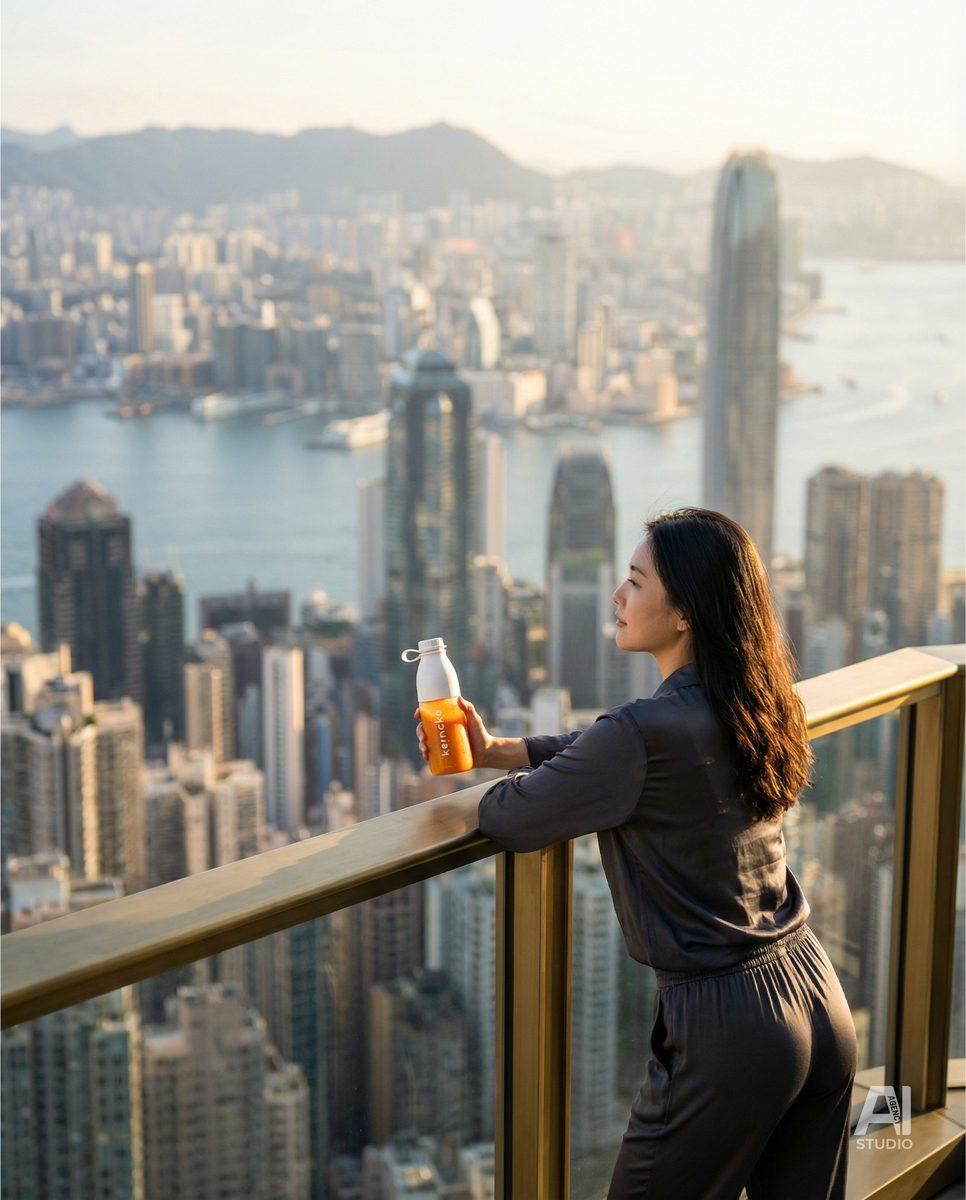
Traditional fashion photography for lookbooks usually needs location scouts, permits, travel budgets, and a full crew. You pay for flights and hotels. You also pay a day rate for 10 people, just to get a single day's worth of content.
AI generates lifestyle fashion photography on demand. "Show my dress on a woman in a modern loft apartment in Brooklyn." Done. "Show it on a woman walking through a Sunday market in Singapore." Done. "Show it as a luxury resort outfit on a woman in a Santorini villa." Done.
All in the same day. All from a laptop.
This isn't just about saving money. It's about creative agility. Your design team can shape lifestyle concepts in hours, not weeks. You can test different settings and see what works, before you commit to expensive location shoots. See our full cost comparison to understand the savings.
The Localization Opportunity
Here's where international brands see the biggest strategic advantage.
Imagine you're a US fashion brand. You've shot a beautiful collection. Now you want to sell it in the UK, Australia, and Singapore. The traditional approach: book new shoots in each market. Hire local models. Adjust styling for local tastes. That's 4x the budget.
The AI approach: your original product photos become the base. Now you generate market-specific variations. Asian models for Singapore and Australia. European models for the UK. Diverse American representations for the US market. Different styling to match local tastes. Different settings to reflect local environments.
Same product. Different look for each market. Same team, with no extra location or model costs.
The strategic advantage? Brands can localize for multiple markets in weeks instead of months. They do this without multiplying production costs. For international fashion brands, this changes the game.
Real-World Application: A 50-Piece Collection Launch
Traditional Approach:
- Plan shoot: 2 weeks.
- Book models, locations, stylists: 3 weeks.
- Shoot days: 6 days (multiple days needed for variety).
- Post-production: 4 weeks.
- Market-specific variations: add another 3 weeks.
- Total timeline: 4–5 months
- Cost: $80,000–$200,000
AI Approach:
- Prepare product specs and creative direction: 1 week.
- AI generation with model diversity and lifestyle variations: 3 days.
- Quality check and refinement: 2 days.
- Market-specific localizations: 2 days.
- Total timeline: 1–2 weeks
- Cost: A fraction of traditional
The difference: 90% faster, 85% cheaper, and you end up with more variations.
Impact on Conversion Rates
The real business metric is simple. Do customers buy more when you use AI-generated fashion photography?
Early data from brands we've worked with says yes:
- More product variations shown: Brands can afford to show every dress in 5+ size representations and 3+ ethnic presentations. Average conversion lift: +12%.
- Faster seasonal refreshes: Brands can update product photography monthly instead of quarterly, so content stays fresh. Average engagement lift: +18%.
- Lifestyle context available: Showing how the dress is styled in real settings raises its perceived value. Average AOV lift: +8%.
- Consistent brand look: AI keeps the same visual style across hundreds of photos. Average trust/brand perception lift: +9%.
Not every brand sees every lift, but the range holds steady: 8–20% improvement in conversion metrics.
When Traditional Shoots Still Matter
AI isn't a full replacement for every fashion brand. Here's where traditional photography still makes sense:
Hero Campaign Content: Your brand's flagship campaign, the image that appears in Vogue or on a billboard, the one that defines your look, should be a traditional shoot. It sets the tone for everything else.
Influencer and Editorial Collaborations: If you're working with a specific influencer or publication, that collaboration is best captured authentically through traditional photography.
Ultra-Luxury Positioning: If your brand sells $5,000+ dresses and calls itself ultra-premium, customers expect editorial quality. AI has gotten good, but it hasn't fully closed the gap for the most discerning luxury buyers.
Fabric Innovation and Storytelling: If your key edge is a revolutionary new fabric, material innovation, or construction technique, traditional photography lets you show off that craft.
The Hybrid Model
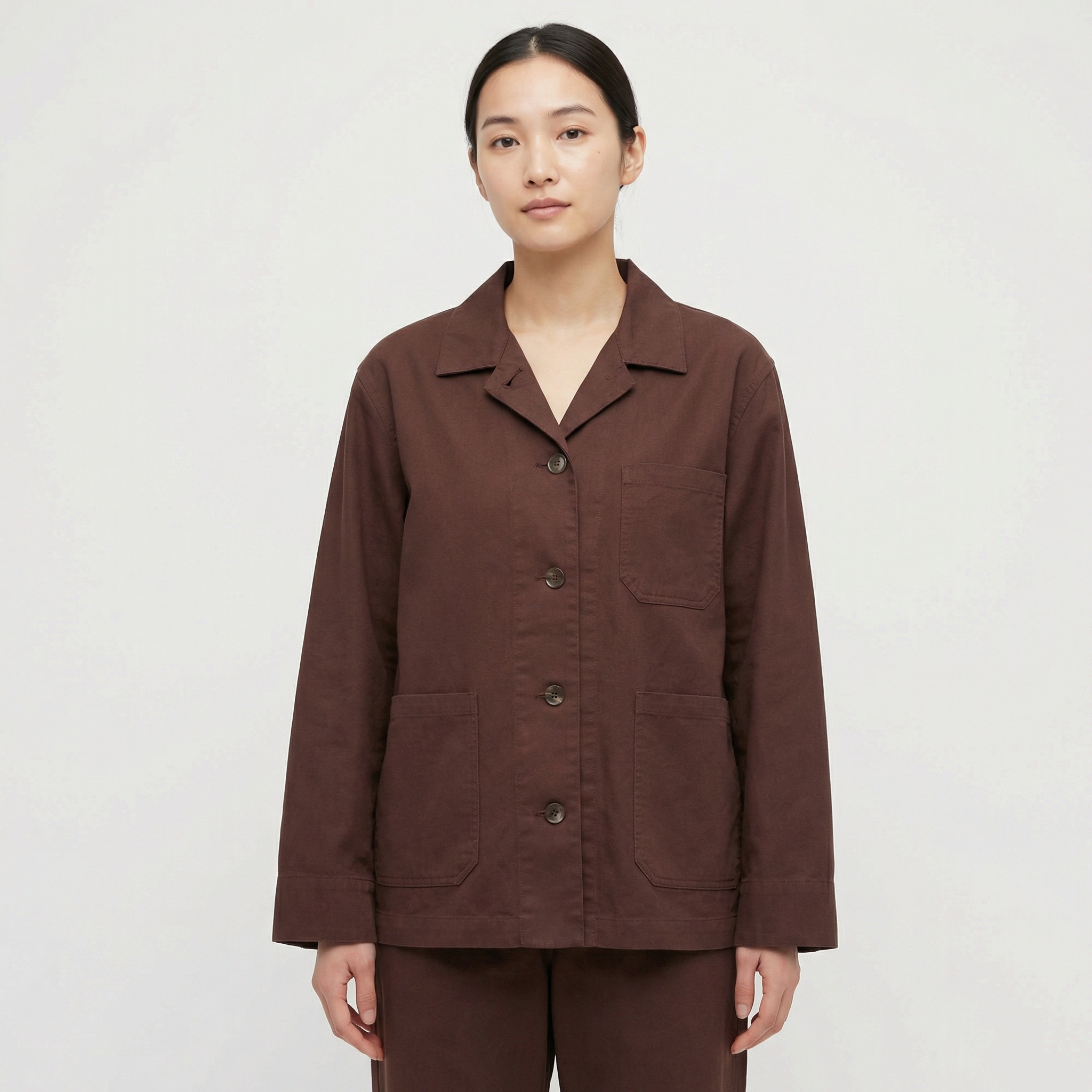
Smart fashion brands aren't choosing between AI and traditional. They use both, as we explore in our guide to how an AI photoshoot works:
- AI for: Scale (50–500 SKU product photography), model diversity, lifestyle variations, seasonal refreshes, market localization
- Traditional for: Brand campaigns, hero content, influencer collaborations, luxury/editorial positioning
This approach gives you the best of both worlds. AI brings low-cost volume, and traditional photography brings creative authenticity for strategic moments. See examples of this hybrid approach in our dedicated fashion portfolio.
Practical Implementation: Getting Started with AI Fashion Photography
Step 1: Define your style guide. What does your brand's look feel like? Write it down: lighting preferences, color palettes, model preferences, lifestyle settings.
Step 2: Prepare product specs. Gather high-res photos of your garments and detailed descriptions, including colorways and sizes.
Step 3: Start with a pilot SKU. Don't generate 500 photos on your first try. Pick one dress, one top, one signature piece. Generate 50–100 variations, then check quality against your standards.
Step 4: Repeat and scale. Once you're happy with the quality and process, scale to your full collection.
Step 5: Fit it into your workflow. AI-generated photos should work with your existing website, e-commerce platform, and social media systems. Don't treat them as a separate channel.
The Competitive Advantage: Speed and Consistency at Scale
The brands winning in fashion e-commerce right now aren't the ones with the biggest budgets. They're the ones who move fastest.
AI fashion photography lets you:
- Launch collections in weeks instead of months.
- Refresh seasonal content without budget limits.
- Localize for multiple markets without multiplying costs.
- Show products with genuine model diversity, not token representation.
- Test styling and presentation variations quickly.
That's an edge that traditional-only brands can't match.
Looking Ahead: What's Next for AI Fashion Photography
The technology improves every month. By late 2026, expect AI to handle even more complex scenarios: intricate patterns and prints, detailed embellishments, and fully photorealistic fabric behavior. The gap between "AI-generated" and "professionally photographed" will keep narrowing.
But the real shift isn't technical. It's strategic. Brands that master the hybrid approach, AI for scale, traditional for impact, will lead e-commerce fashion in 2026 and beyond.
Conclusion: The Fashion Industry Is Changing
AI fashion photography isn't replacing photographers and stylists. It's shifting where the work goes. Instead of spending 60% of your budget on volume photography, you put that budget toward strategic, hero-level shoots. That's where human creativity and authenticity matter most.
For fashion brands in Singapore, USA, UK, Australia, and everywhere else, the question isn't whether to use AI. It's how to use it alongside traditional approaches to get the most out of conversion, speed, and brand impact.
Ready to Revolutionize Your Fashion Photography?
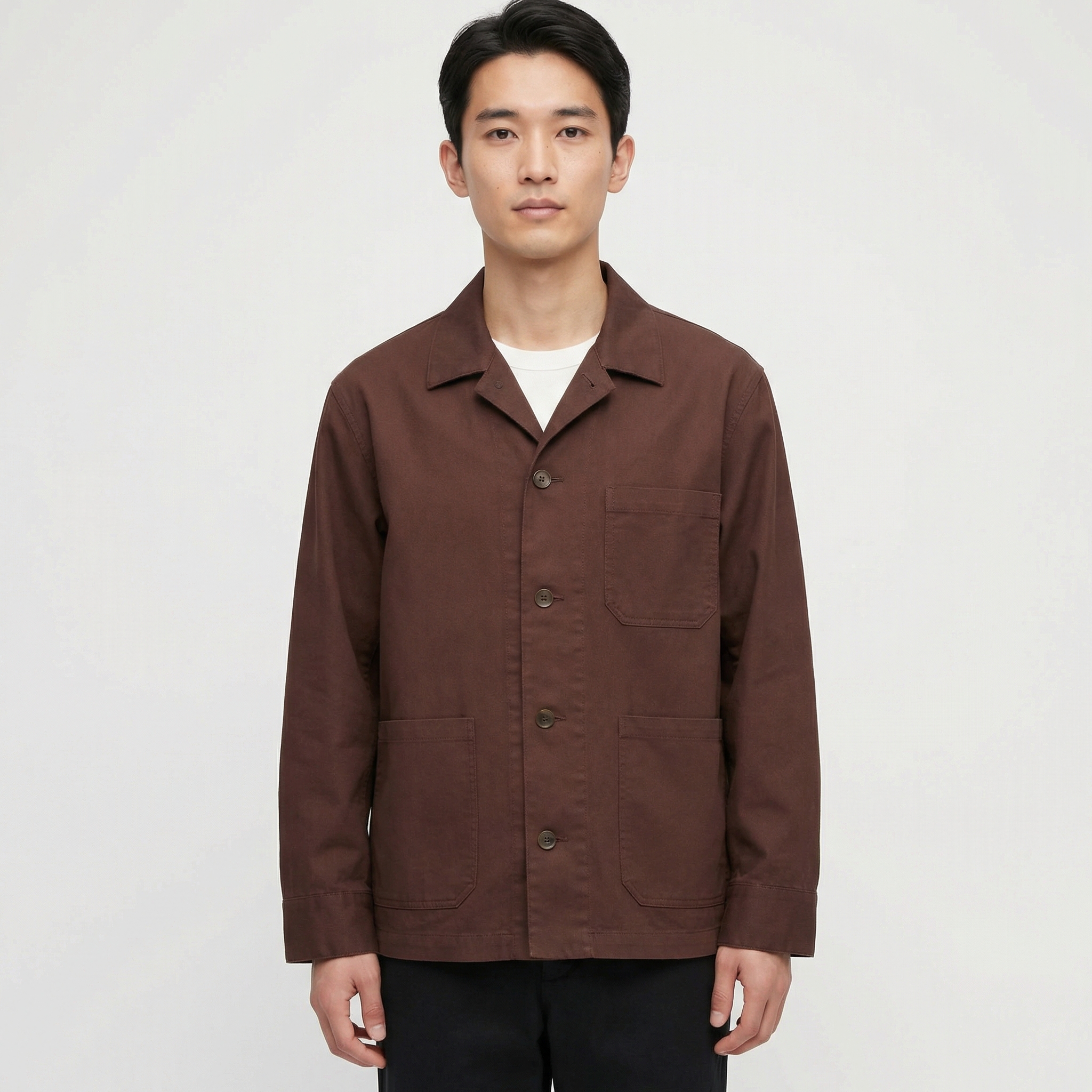
We've helped fashion brands from Singapore to London scale their product photography 5x while cutting costs by 80%. Browse our portfolio and let's explore what's possible for your collection.
Book a Free Demo