- For high-volume e-commerce product photography in Singapore, AI now costs meaningfully less than a traditional studio shoot.
- AI lets you create unlimited variations. Different models, backgrounds, and moods all fit within one project. You don't need to book another shoot day.
- Traditional photography still wins for ultra-premium luxury, complex textures, video content, and one-off bespoke products.
- AI compresses launch timelines from weeks to days. This helps a fashion retailer or beauty brand hit seasonal windows that competitors miss.
- The smartest brands run a hybrid model. They use AI for volume and refreshes, and professional shoots for hero and editorial content.
The Cost Question Every Singapore Brand Is Asking
If you run an e-commerce business in Singapore, product photography is likely one of the biggest costs on your budget sheet. Maybe you're launching a new collection of 50 SKUs. Maybe you're refreshing your summer campaign. Either way, you now have to choose between traditional photography and AI-powered alternatives.
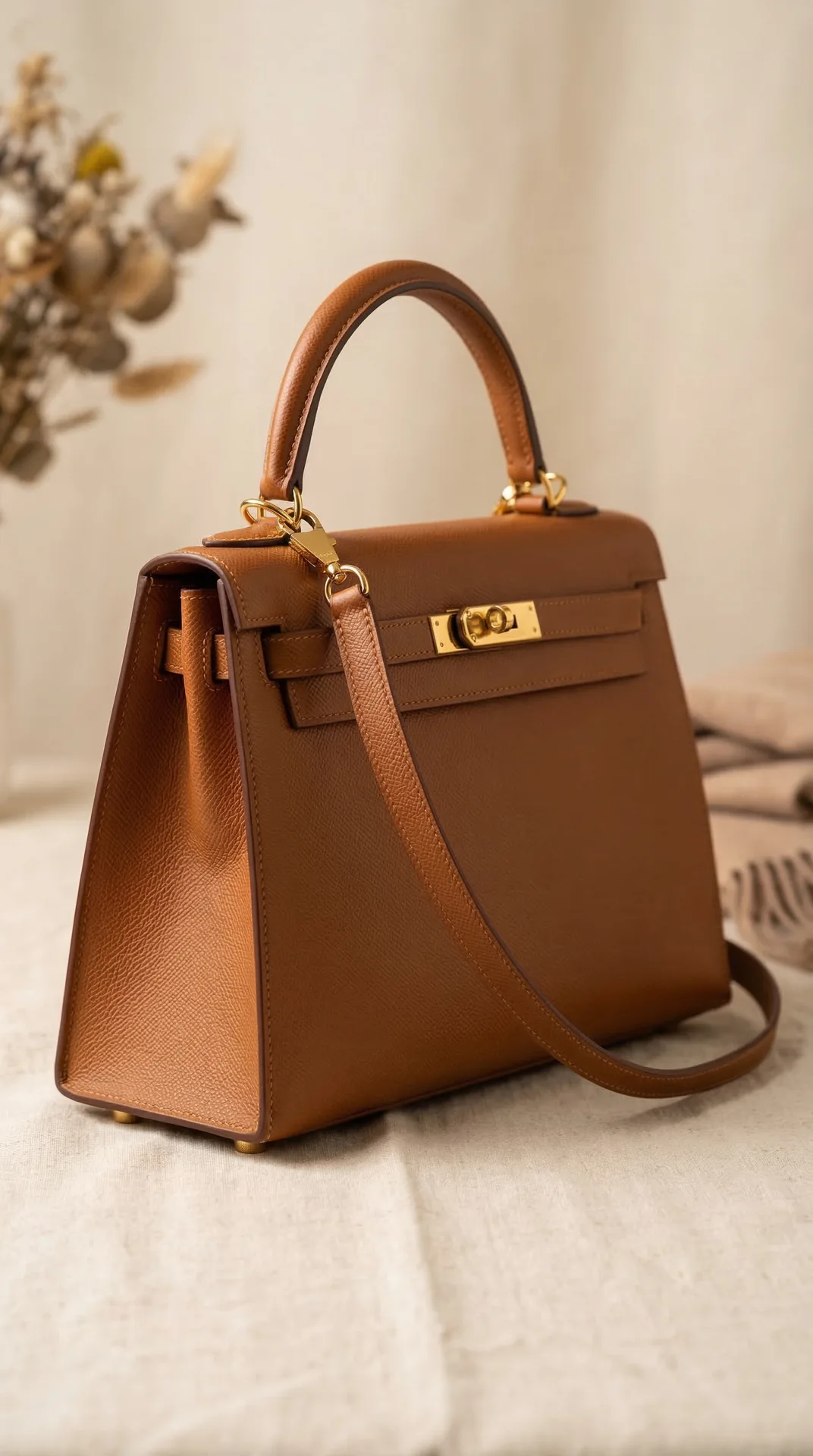
The traditional approach? Book a studio, hire a photographer, arrange models, and buy props. Then shoot for a full day. After that, wait weeks for post-production editing. The AI approach? Upload your product specs, pick your style, and get dozens of variations in hours.
But which one is actually cheaper? And more importantly, which one gives you better ROI? Let's break down the real numbers in SGD.
Traditional Product Photography Costs in Singapore
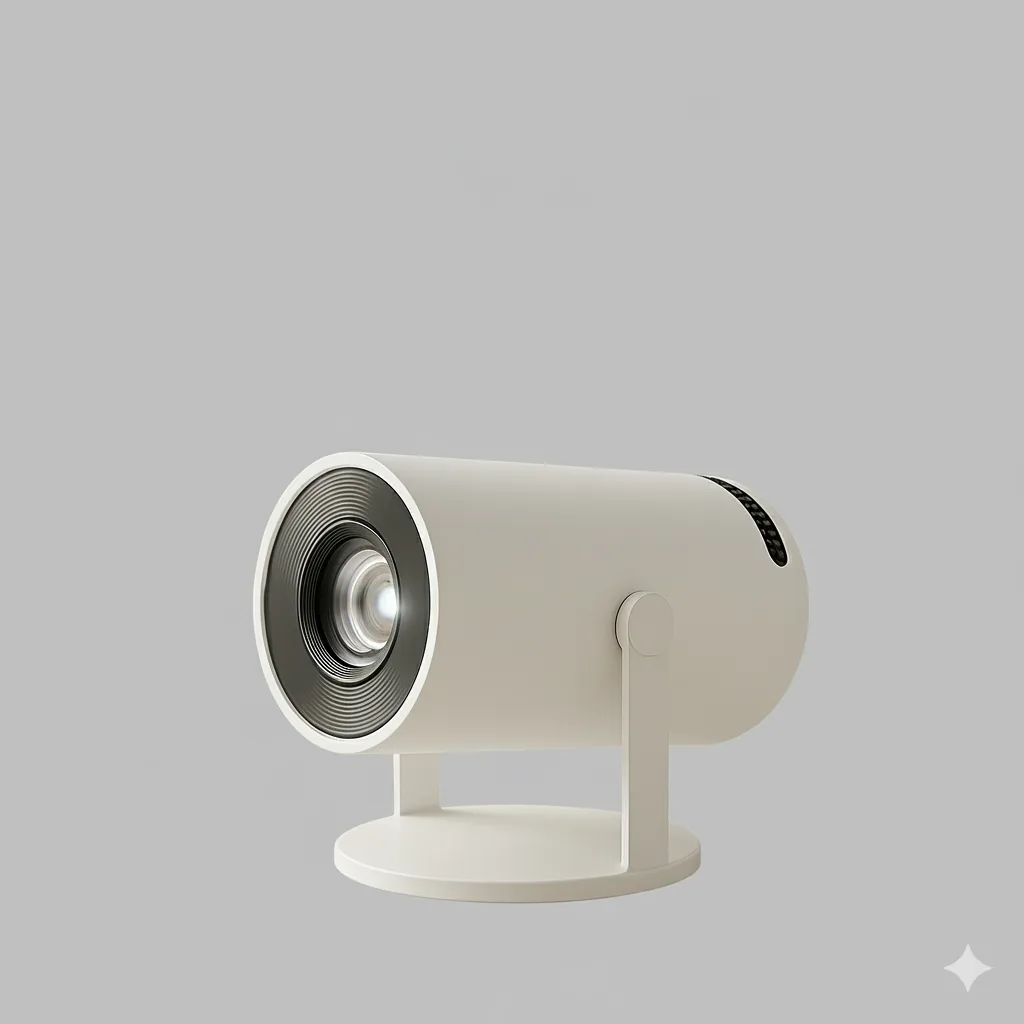
Studio Rental
Professional photography studios in Singapore's central areas (CBD, Tanjong Pagar, Tiong Bahru) typically charge $200–$500 per hour. Most require a minimum 4–8 hour booking. A standard half-day shoot will cost you between $800–$2,000.
Budget studios in outer areas (Jurong, Woodlands) cost less at $100–$200/hour. But you trade location convenience and light quality for the savings.
Photographer
Professional product photographers in Singapore charge between $300–$800 per day. The rate depends on experience and portfolio strength. Senior photographers with fashion or luxury brand experience charge $1,000–$1,500/day.
Models and Talent
Does your product need to be worn or held? Think fashion, accessories, or tech products. If so, you'll need talent. Local model agencies charge $300–$1,000 per model per day. Many shoots need 2–3 models, especially if you show different sizes or ethnicities. Budget $600–$3,000 for a single shoot day.
Props, Styling, and Set Design
Depending on your product category, you might need furniture, backgrounds, props, plants, or custom set builds. A simple white or black background is free (it's usually the studio's). But stylized shoots can cost $500–$2,000 for props rental and styling services.
Post-Production and Retouching
This is where traditional shoots get expensive. A retoucher in Singapore charges $50–$150 per image for standard product editing. Do you need color correction, background removal, model retouching, or composite work? Expect $200–$500 per image.
For a typical product shoot with 50–100 final images, budget $2,500–$7,500 for post-production alone.
Total Cost Breakdown: Traditional Single Shoot Day
| Item | Low End (SGD) | Mid-Range (SGD) | High End (SGD) |
|---|---|---|---|
| Studio Rental (8 hrs) | 800 | 1,500 | 2,500 |
| Photographer | 300 | 600 | 1,500 |
| Models/Talent | 500 | 1,500 | 3,000 |
| Props & Styling | 200 | 800 | 2,000 |
| Post-Production (50 images) | 2,500 | 5,000 | 10,000 |
| Total Per Day | $4,300 | $9,400 | $19,000 |
Reality check: A mid-range traditional shoot day in Singapore costs around $9,400. It yields 50–100 finished images. That's roughly $94–$188 per final image.
AI Product Photography Costs
AI product photography works differently. Instead of booking a studio and shooting, you pay for image generation. This is usually priced per image or by subscription.
AI Service Pricing Models
Subscription Models: Platforms like Nano Banana Pro, Adobe Firefly, or specialized fashion AI startups offer monthly subscriptions at various tiers. Brands that generate images at high volume can get enterprise plans at premium rates.
Pay-Per-Image Models: Other AI services charge per generated image. These costs are a fraction of traditional photography.
White-Label AI Services: Dedicated AI photography agencies (like AI Studio) often charge per project or retainer. Contact AI providers for current project pricing. They can give you exact quotes for your needs, covering all variations, angles, backgrounds, and more.
The Hidden Advantage: Unlimited Variations
Here's where AI becomes unbeatable. With traditional photography, one shoot day gives you one set of images. Want different backgrounds, different models, or different seasons? That means another shoot day, and another $9,400+.
With AI, you enter your product into the system once. Then you can create endless variations: different models, different ethnicities, different outfits, different backgrounds, and different moods. All of this fits within the same project cost.
Cost per variation: Near zero. You're paying for computing power, not labor.
Real-World Scenario: 50 SKU Fashion Launch
Traditional Photography Approach
- 2 shoot days (to capture all products): 2 × $9,400 = $18,800.
- Each product in 3 variations (model, flat-lay, lifestyle): 150 final images.
- If you want different model ethnicities, you need to add another shoot day.
- Timeline: 6–8 weeks (2 weeks planning, 1 week shoot, 3–4 weeks post-production).
AI Photography Approach
- AI platform subscription or project fee: significantly more affordable than traditional.
- Each product in 5+ variations (same day turnaround): 250+ final images.
- Different skin tones, different models, and different backgrounds are all included.
- Timeline: 2–5 days (1 day setup, 3 days generation, 1 day QA).
Cost per final image: Traditional costs $125+. AI is significantly more affordable.
Timeline saving: 6 weeks becomes 5 days. That's a 6-week acceleration on your launch.
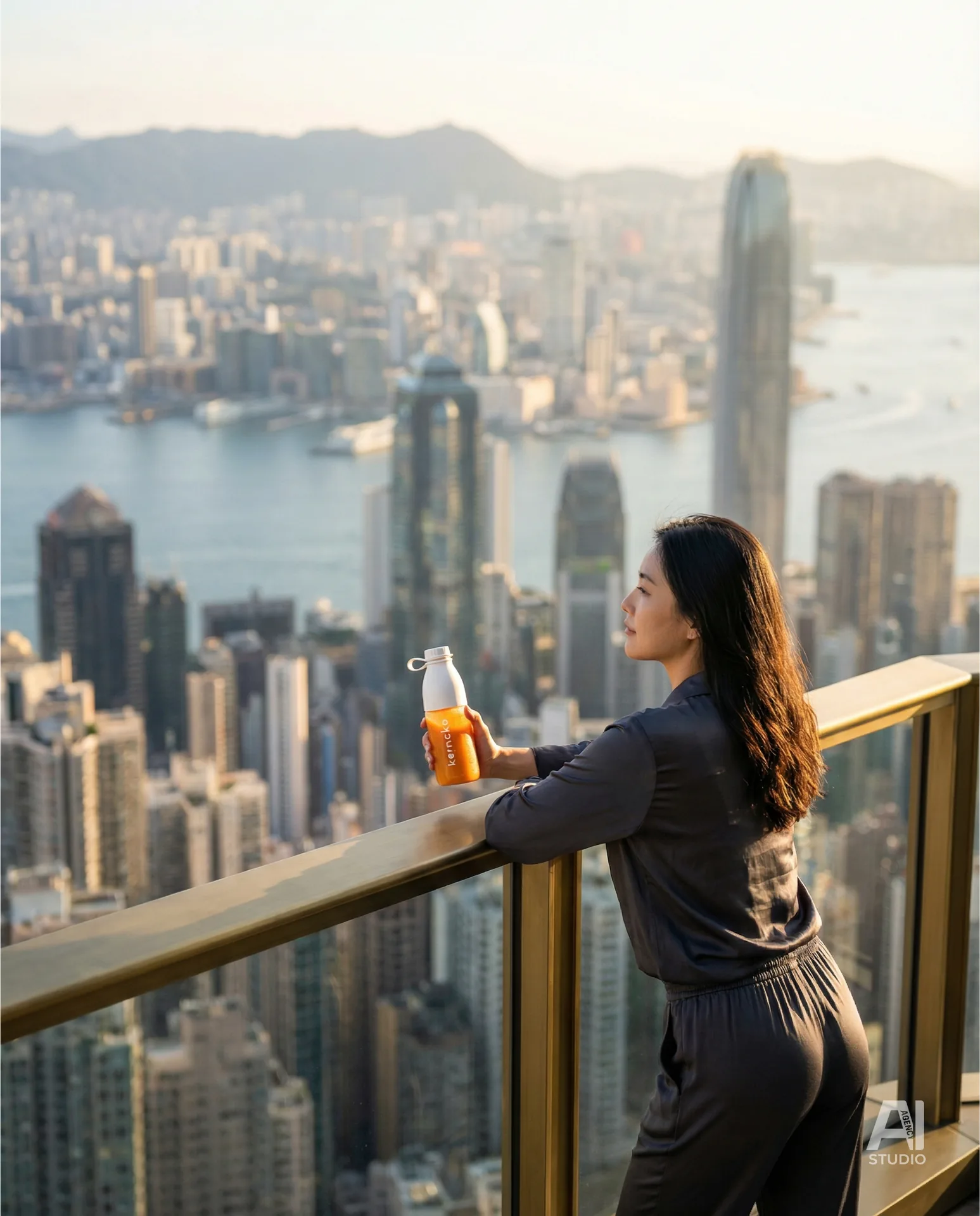
When Traditional Photography Still Makes Sense
AI isn't a perfect replacement for every scenario. Here's where traditional photography still wins.
Ultra-Premium Luxury Brands: Say you sell $10,000 watches or couture dresses. Your target customer scrolls Vogue. They expect editorial-quality photography. AI-generated images still have a visible "synthetic" quality that luxury buyers notice. Traditional photography shows authenticity and craft.
Unique Materials and Textures: Think fabrics with complex texture, jewelry with reflective surfaces, or handcrafted items. Their imperfections are part of the brand story. AI sometimes struggles with photorealistic detail here. A professional photographer captures the soul of the object.
Video Content: Need product videos? AI is getting there, but it hasn't fully replaced video production. A traditional shoot produces both stills and video in one day.
One-Off, Bespoke Products: Are you photographing 5 completely custom items that will never be repeated? Then the AI setup cost isn't worth it. Just hire a photographer.
ROI Analysis for E-Commerce Brands
Let's talk about business impact, not just cost. Here's what the data shows.
Conversion Rate Impact
High-quality product photography increases conversion rates by 27–40% (source: Shopify research). The customer doesn't care if that photo comes from a $9,400 traditional shoot or an AI-generated alternative. If it's in focus, well-lit, and shows the product clearly, it converts.
For a brand with $100k/month revenue, a 30% conversion lift = +$30k/month in sales.
Speed-to-Market
With AI photography, you can launch a collection 5 weeks faster. You hit seasonal demand windows that your competitors miss. That's real revenue impact.
For seasonal brands, launching before competitors can be worth six figures in a single season.
Content Refresh Frequency
With AI, you can afford to refresh product photography monthly (different seasons, different models, different moods). Traditional photography budgets force you to shoot once a year, and then live with that content.
Brands that refresh content monthly see 15–25% higher engagement on social media and higher repeat purchase rates.
The Real ROI: Bandwidth, Not Just Money
Here's what we hear from our clients: "We didn't expect the real win to be that we could test new product ideas faster." With traditional photography, you plan quarterly shoots. With AI, you can create photos for a test product in 24 hours instead. You can check demand before you manufacture 1,000 units. Then you pivot or scale based on the data.
That's not just a cost saving. That's a change in how the business works.
The Quality Question: Has AI Caught Up?
This is the question everyone asks. The answer: Yes, for product photography.
Take fashion and product photography specifically. Here, consistent lighting, clean backgrounds, and product clarity matter most. AI has caught up to mid-to-high quality professional work. You won't mistake a well-done AI product photo for a low-end traditional shoot. And you won't prefer a low-end traditional shoot over a good AI image, either.
AI still shows seams in ultra-luxury editorial work, complex material textures, and hyper-realistic human emotion. But for e-commerce product photography, AI is good enough. And it's 10x cheaper.
The Hybrid Approach
The smartest brands aren't choosing between AI and traditional. They combine them.
Use AI for: high-volume product photography, multiple variations, social media content, seasonal refreshes, and A/B testing.
Use Traditional for: hero content, brand campaigns, influencer collaborations, and luxury or editorial positioning.
This hybrid approach costs less than going fully traditional. You still get the authenticity and emotional pull of some professional-grade work.
Making the Decision for Your Brand
Here's a simple framework.
If you have 100+ SKUs and need to photograph them regularly: AI is a clear choice. You'll save 60–80% on costs and get faster turnaround.
If you're a luxury brand with 10 hero products: Invest in professional photography for hero content, and use AI for variations and social content.
If you're a small brand (1–20 products): Consider a hybrid. Do one professional shoot per year for your hero shots, and use AI for everything else.
If you're launching a new brand and need fast iteration: Use AI now. Upgrade to professional photography once you've proven the business model.
Looking Ahead: 2026 and Beyond
AI image generation improves monthly. By the end of 2026, expect AI to handle even complex textures and luxury materials. The gap between "AI-generated product photos" and "traditional photography" will narrow further.
But the real shift isn't technical. It's strategic. Lean into AI for volume and speed, and reserve professional photographers for strategic brand-building. Brands that do this will outcompete brands that treat photography as a one-off cost center.
Conclusion: The Math Is Clear
In Singapore, a traditional product photography shoot costs $4,300–$19,000 per day. AI product photography is significantly more affordable per project. It also offers unlimited variations and faster turnaround.
For e-commerce brands, the ROI strongly favors AI. This isn't because AI is perfect. It's because AI is good enough, cheap enough, and fast enough to change how you do business.
The question isn't really "AI vs Traditional photography?" anymore. The real question is: "Which parts of my photography strategy should I automate, and where should I invest in human craft?"
That's a conversation worth having with your team today.
Ready to See AI Product Photography in Action?
We've helped over 150 Singapore brands launch products 5–10x faster using AI-powered photography. See our portfolio, and let's explore what's possible for your brand.
Book a Free Demo