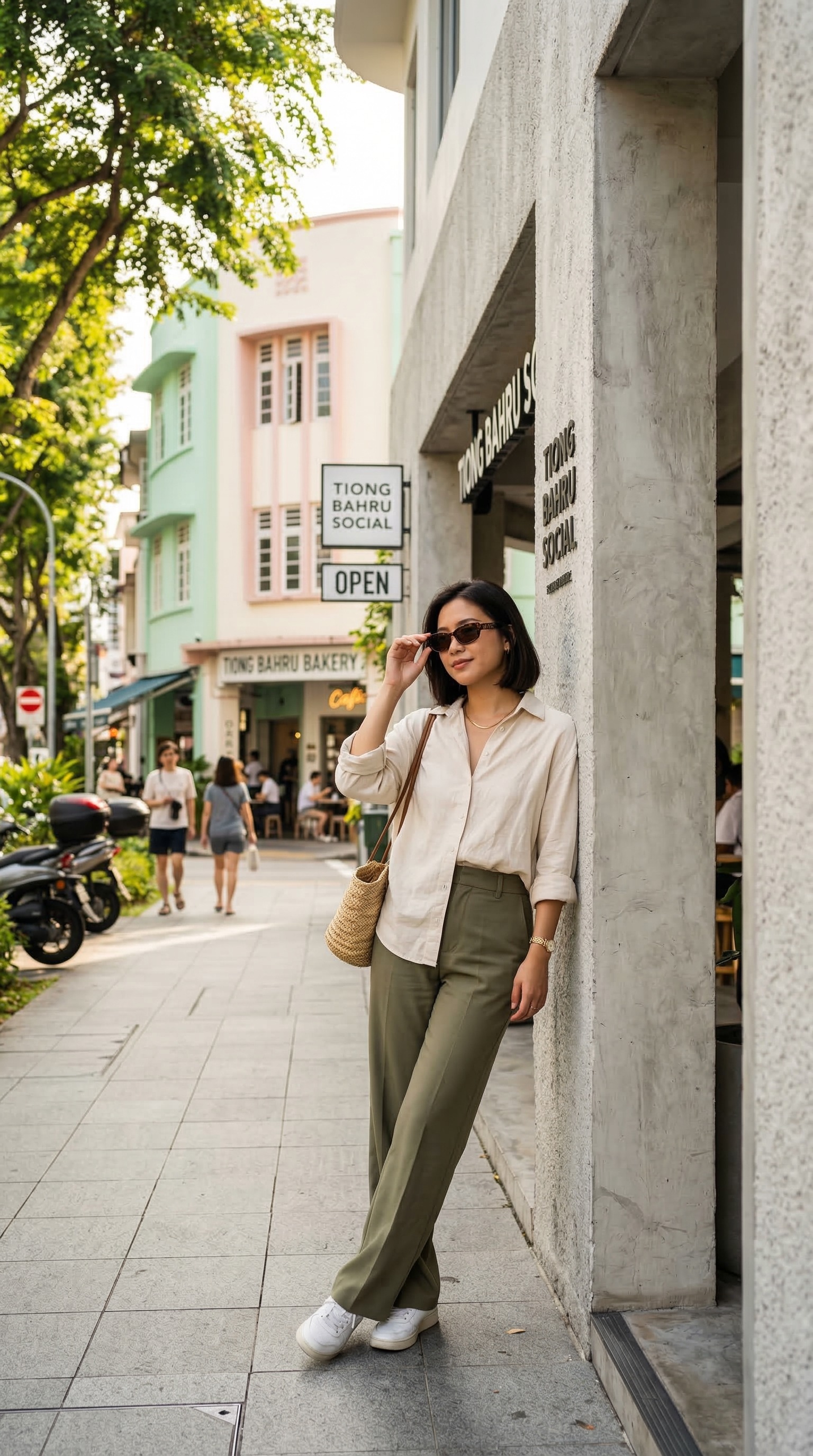
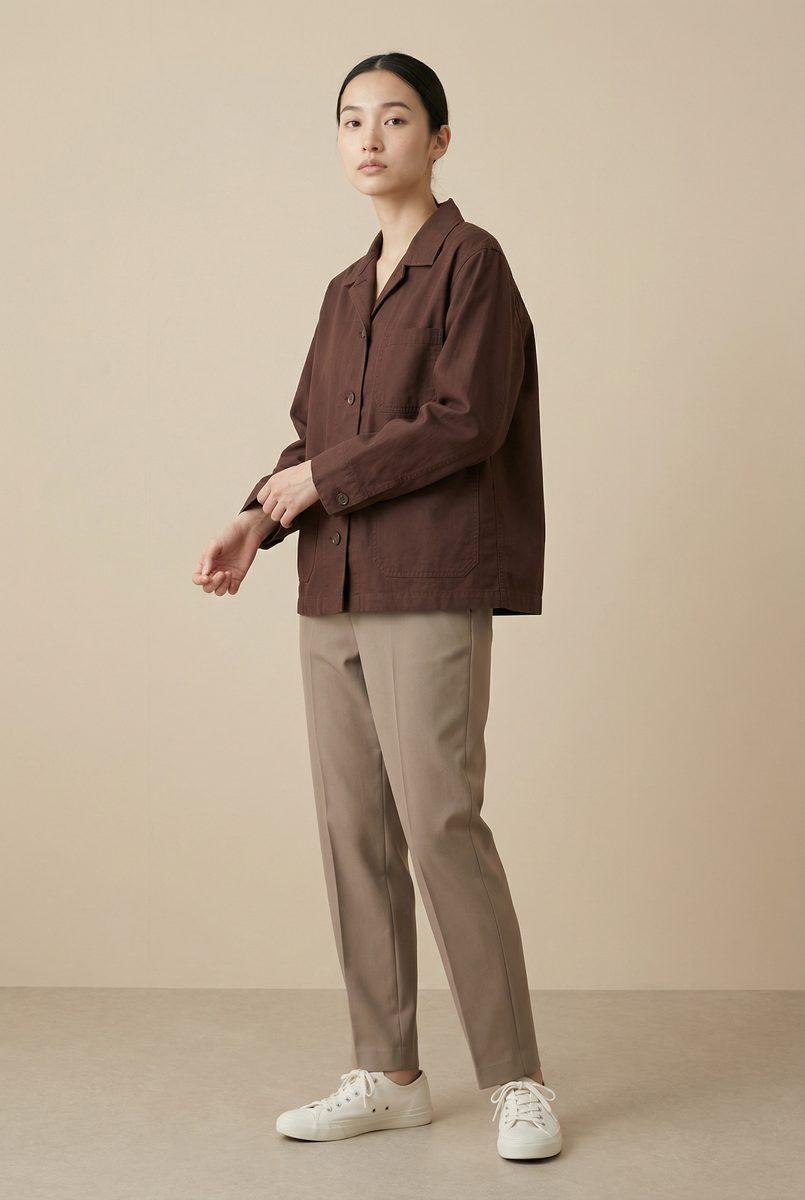
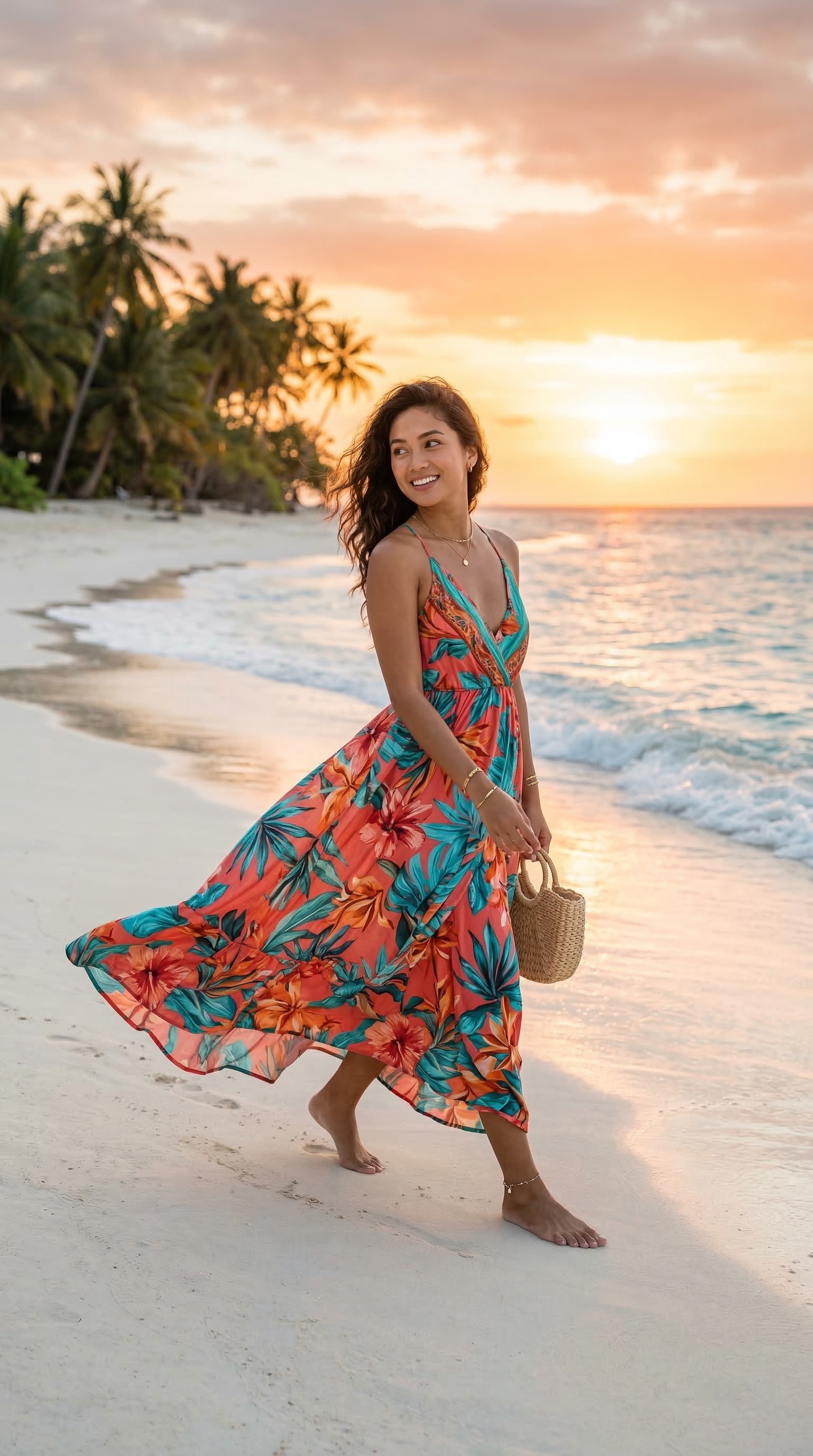
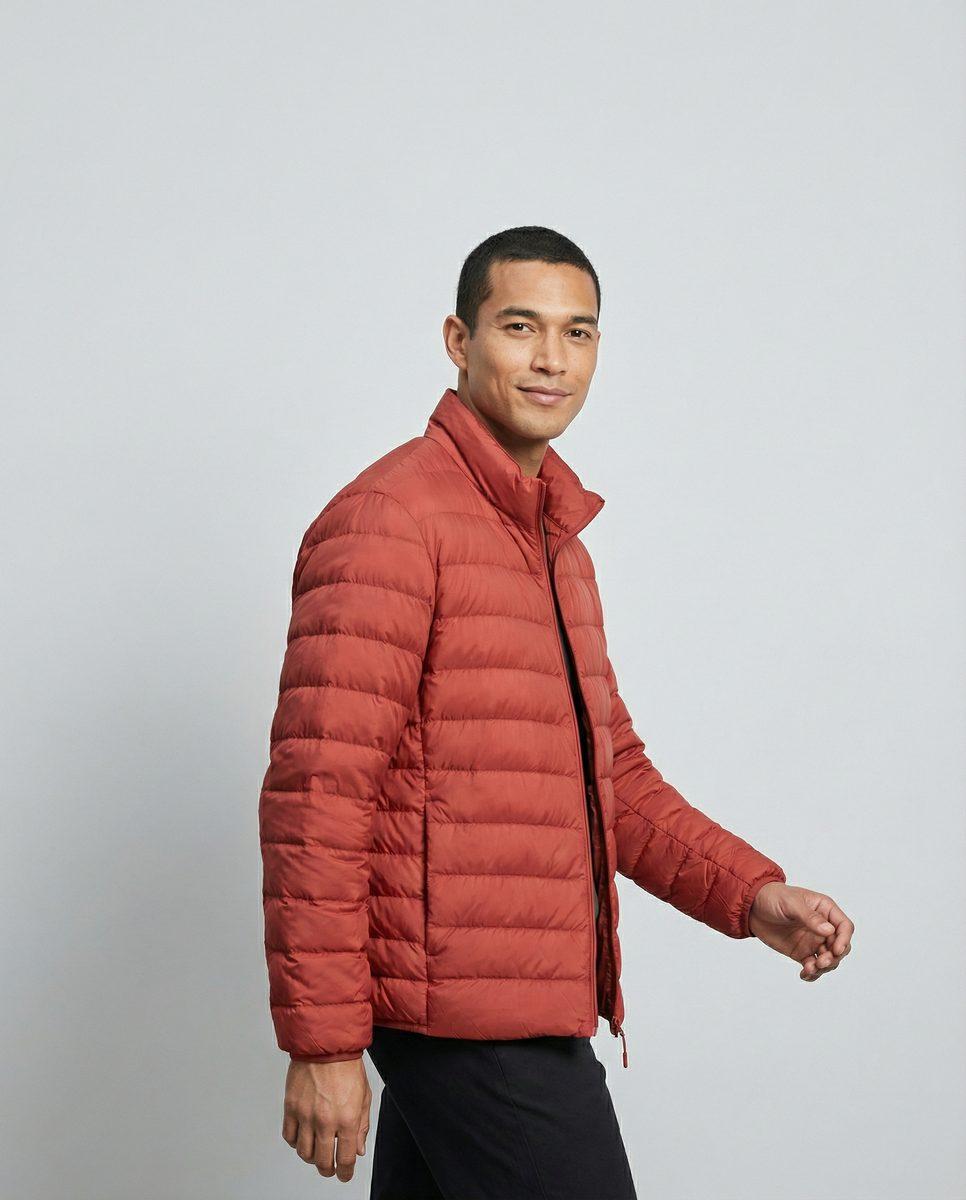
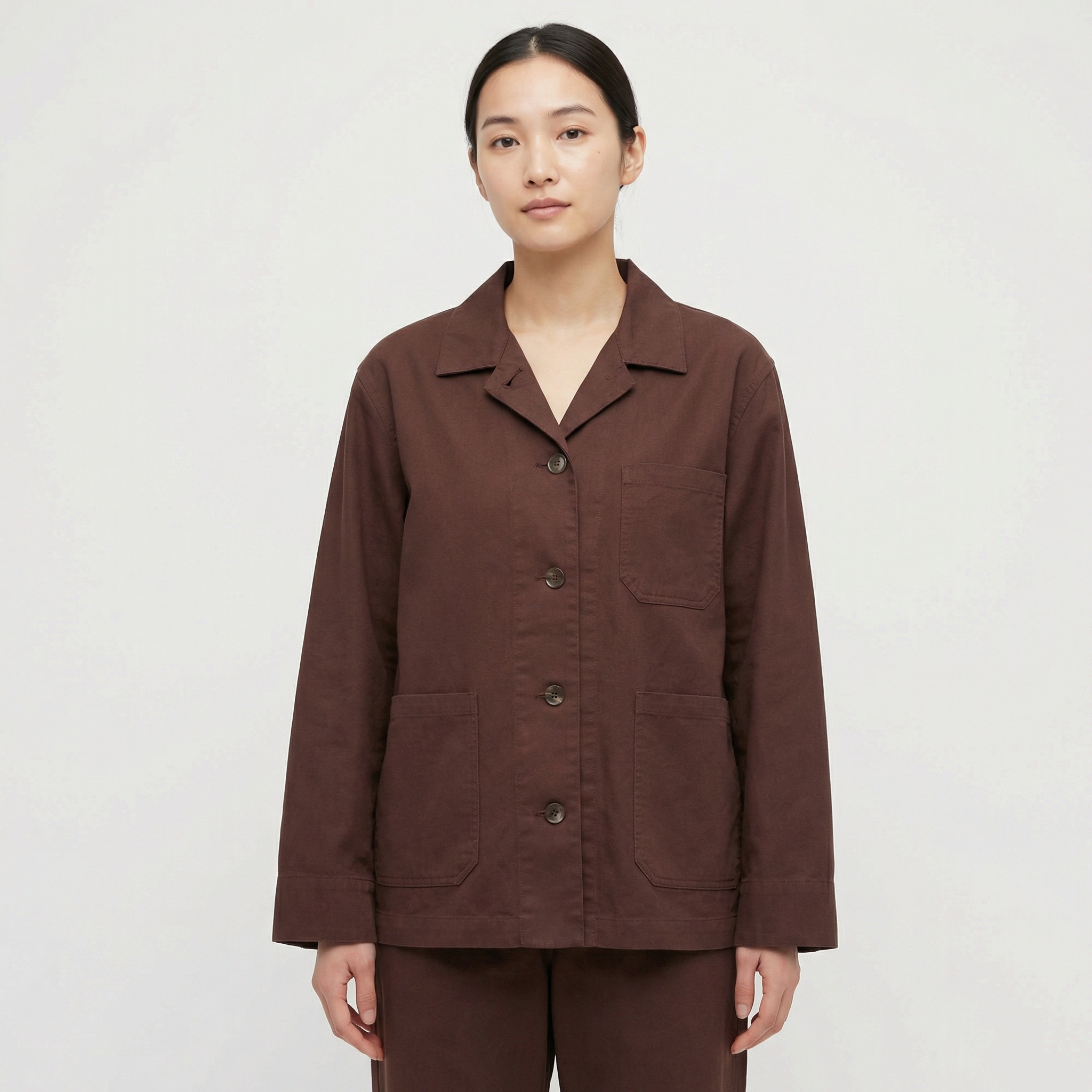
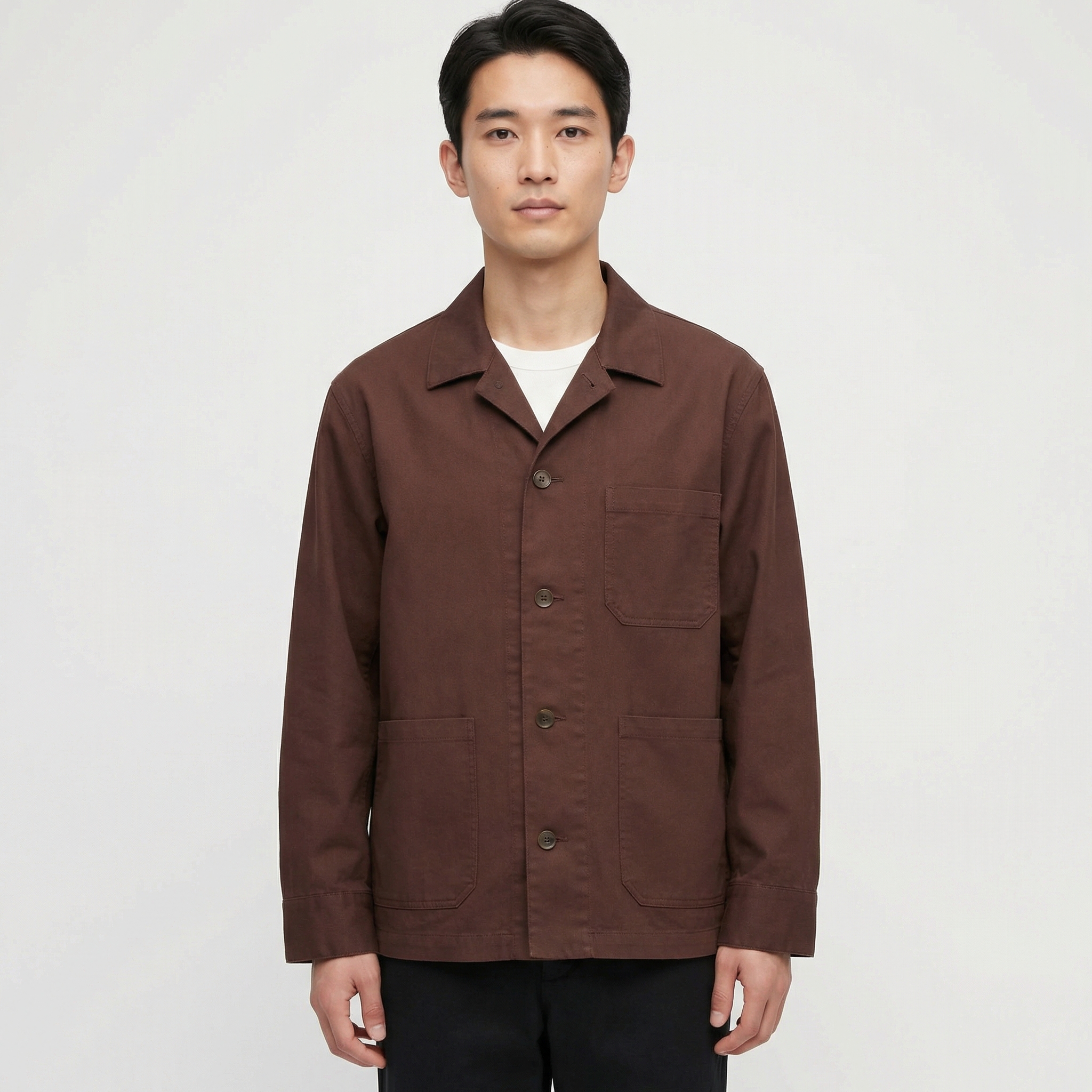
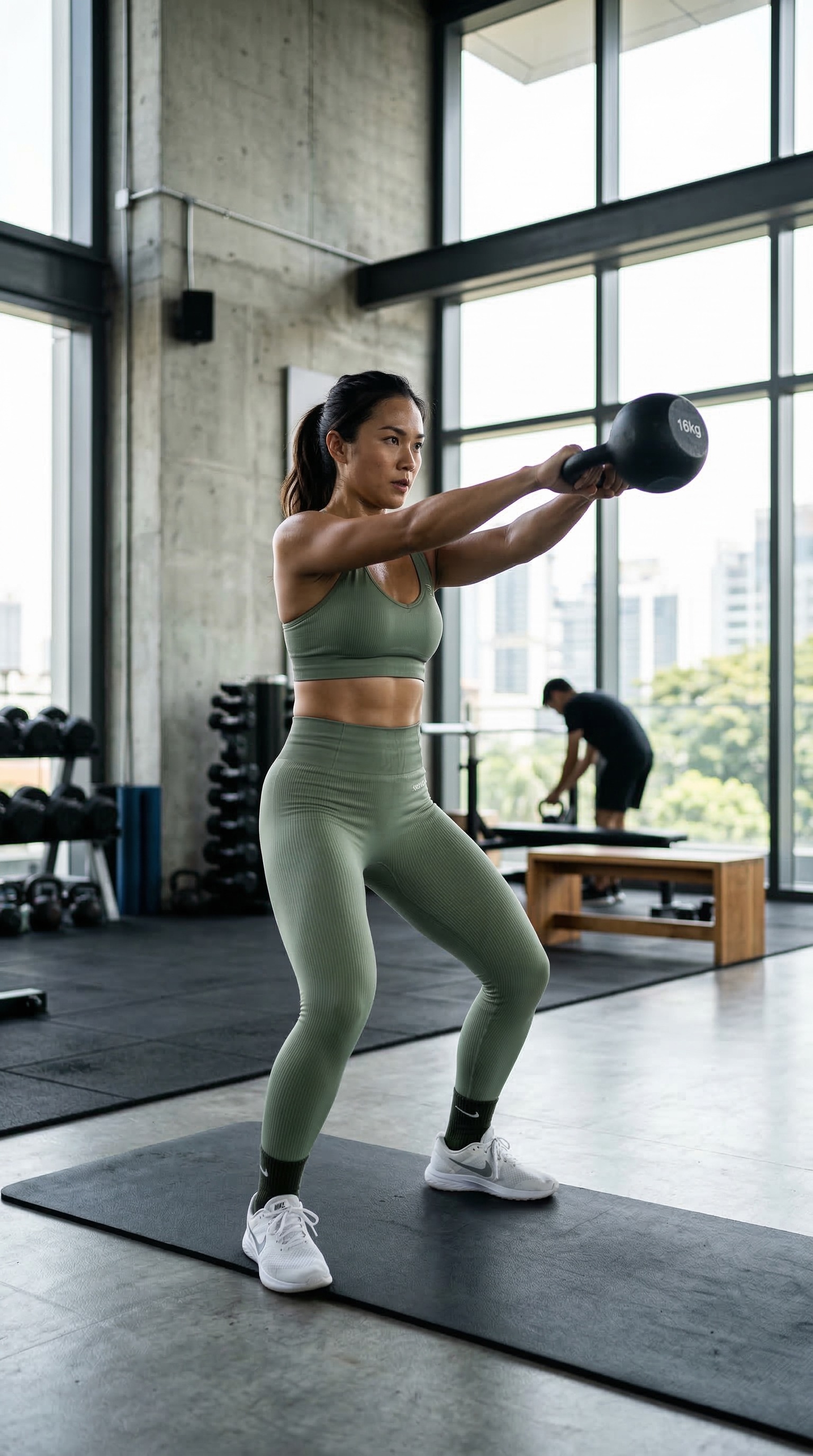
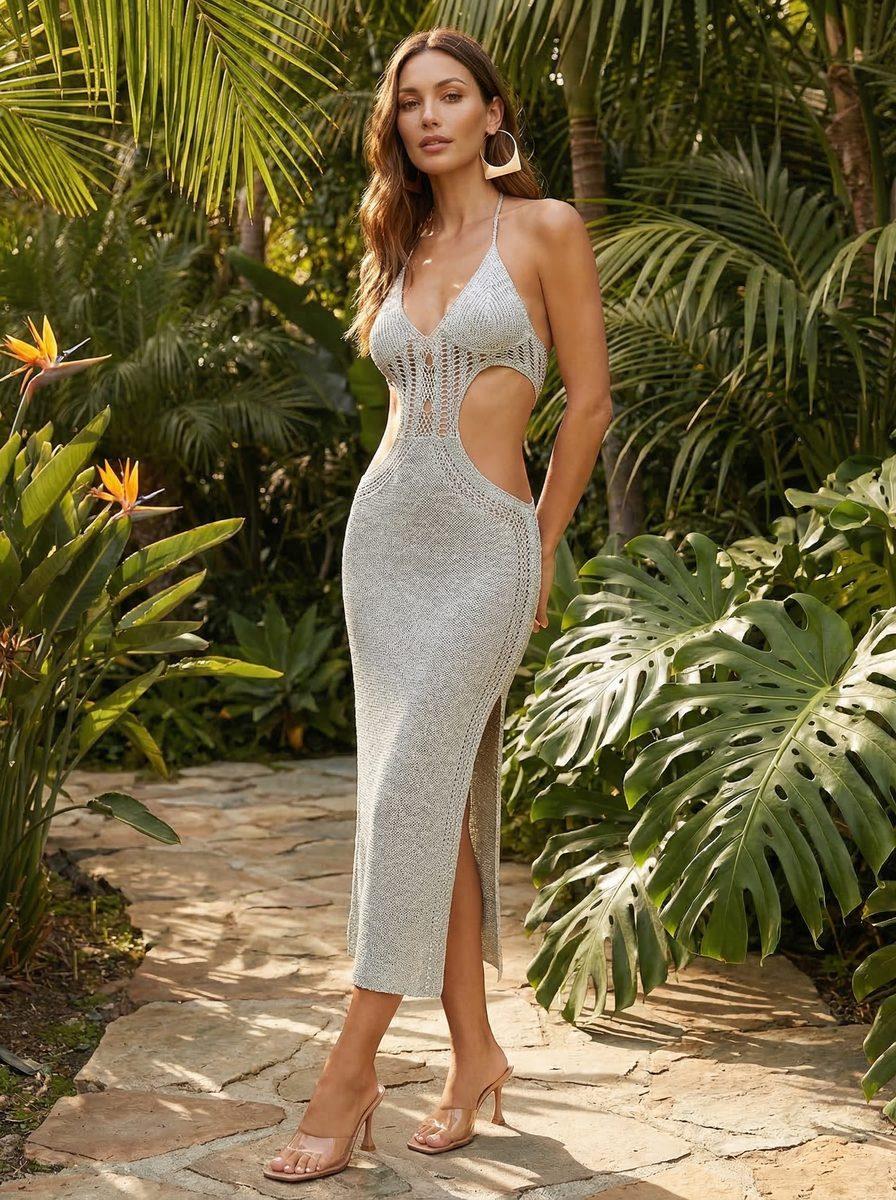
- Real garments, generated model and scene — the clothing is never redrawn, only the setting and the person change.
- Collection timing follows the approved sample, look count and garment checks.
- One model identity and lighting set-up stays locked across every look in the drop.
- Anything that drifts on hands, fabric or logo is regenerated, never patched over.
What is an AI fashion photoshoot?
An AI fashion photoshoot replaces the physical shoot day with a generation pipeline built around your actual garments. You send flat, ghost-mannequin or on-model reference photos of each piece — front and back, even light, no heavy filters — and we generate the model, the pose, the setting and the lighting around that real garment. The clothing itself is never redrawn from imagination; it comes from your photos, so seams, prints, hardware and fabric fall the way they do in real life.
The output looks like a normal shoot: on-model product shots, lookbook spreads, campaign frames. What changes is the production model. There is no studio booking, no model agency contract and no reshoot day if a look needs to change. AI Studio is based in Singapore, working with fashion and e-commerce brands across the US, UK, Australia and Europe on exactly this kind of collection turnaround.
What can it produce for a fashion brand?
Most fashion brands use an AI fashion photoshoot for five outputs, often from one underlying shoot:
- PDP on-model sets — the clean, consistent product-page shots buyers scroll through before adding to cart.
- Lookbooks — a full collection shown on one consistent model and setting, ready for a season launch.
- Campaign and editorial images — more directed, styled scenes for a homepage, a launch email or paid social.
- Social crops and flat lays — the same garments reformatted for feed, Stories and marketplace tiles.
- Virtual try-on renders — the garment shown across a range of body types for size-inclusive marketing, distinct from a shopper-facing try-on tool.
Casting can flex by market: the model ethnicity, age range and body type used for a US launch can differ from the set used for a UK or Southeast Asian audience, without a second physical shoot. Casting decisions — ethnicity, age, body type, and how to keep one identity consistent across seasons — are covered in more depth on our AI model photoshoot page. Most orders combine three or four of these outputs from one underlying shoot — a lookbook plus a PDP set plus a handful of campaign frames for paid social — rather than commissioning each separately.
How does the process work step by step?
The process runs in five stages:
- Send reference photos. Flat, ghost-mannequin or on-model shots of each garment, plus a brand book or mood board and the channels the images are for.
- Model and lighting proposal. We propose a model look, pose range and lighting set-up based on the brief.
- Sample set for sign-off. A short run of frames comes back first, so the look is agreed before the full collection is generated.
- Full collection run. Once the sample is approved, the rest of the drop is generated against the same model identity and lighting.
- QA and delivery. A creative director checks every frame for hands, drape, seams, logos and skin before final files are delivered.
Collection timing depends on garment count, reference coverage, casting, poses and correction needs. Start with an approved sample look, then schedule the remaining looks in reviewable batches. A larger collection needs its own agreed dates; no single turnaround applies to every garment or campaign.
How do we keep the garment true and the model consistent?
Two things are fixed across a drop: the garment and the model identity. The garment comes from your reference photos, not from imagination, so colour, print placement, logo geometry and fabric drape are treated as fixed elements — only the scene, pose and lighting are generated around them. The model identity and lighting set-up are locked once agreed, so look 40 in a 50-piece drop reads as the same model, same skin tone and same studio light as look 1.
Every frame is checked by a creative director against four failure points: hands, fabric drape, seams and logos, and skin rendering. If a frame drifts on any of these, it is regenerated from the same inputs rather than patched or retouched over the fault — a smudged logo or an odd hand is a bigger problem in fashion than in most other product categories, because it's the first thing a buyer's eye catches on a garment they already know.
Printed and embroidered logos get the closest attention, since a shifted letterform or a warped brand mark is the fastest way for a customer to spot something is off. The same scrutiny applies to seam lines on structured pieces like blazers and tailored trousers, where a dropped stitch line reads as a manufacturing fault rather than a rendering one.
How much does it cost per look?
Fashion and lookbook work is quoted per look, in three tiers, from a clean catalogue shot to full campaign-grade editorial. Every quote is indicative until the brief is confirmed — the final number depends on volume, complexity and revision scope.
- Catalogue lookbook — single model, clean background, one or two poses per look.
- Styled fashion — an environment and multiple poses per look.
- Campaign-grade — editorial scenes, model variations and custom environments.
A 50-look catalogue drop at the catalogue tier is quoted as a single itemised number once we know the collection size and channels — see the full AI photoshoot pricing page for how tiers work across product and lifestyle too. To test the process before committing budget, start with the free four-shot test: send one outfit and get four sample frames back before you brief the full collection.
What do fashion brands in the US and UK need to know about disclosure?
Rules differ by market and are moving quickly. In the US, AI-generated advertising remains subject to the FTC Act’s prohibition on unfair or deceptive practices. Product claims and visual representations must be truthful and not misleading. New York's synthetic-performer law (GBL §396-b), effective 9 June 2026, requires conspicuous disclosure when an advertisement contains an AI-generated performer that gives the impression of an unidentifiable real human, with penalties from US$1,000 for a first violation. California’s AI Transparency Act became operative on 2 August 2026. Covered GenAI providers must provide a free detection tool and embedded provenance disclosures subject to technical conditions, and offer users an option for visible disclosure. These provider duties differ from California’s separate synthetic-performer advertising law, which takes effect on 1 January 2027.
In the UK, there is no blanket statutory duty to disclose AI use in advertising imagery. The CAP Code is "media-neutral" — an AI-generated fashion image is held to the same misleading, harm and offence standards as any other ad, and the ASA published new guidance on AI content and deepfakes in June 2026. Platform rules add a second layer regardless of jurisdiction: Meta applies AI information labels to qualifying AI-generated or significantly AI-edited ads, with treatment depending on the content and available signals. We flag where these rules are likely to apply to your campaign as part of the brief.
Consumer sentiment adds pressure beyond the law: one 2026 survey found only 45% of Gen Z and Millennial shoppers feel positive about AI-generated ads, against 82% of ad executives who believe they do — a gap that widened from 32 points in 2024 to 37 in 2026. Getting disclosure right is as much about shopper trust as legal compliance.
When should you still book a real shoot?
A physical shoot still earns its cost in specific situations: when the campaign concept depends on a named, contracted talent or influencer with their own following; when the product needs genuine motion that depends on a real body — sport, dance, wind on fabric — captured live; when a retailer or client contract specifically requires human-shot photography; or when the brand story is built around a real, verifiable location or event. As a benchmark, a mid-tier US clothing-brand campaign with four to eight models over two to four days typically runs US$14,000–22,000 in total. In the UK, a London commercial day rate — studio, lighting, editing and a proofing gallery included — typically runs £850–1,600, before model day rates are added on top.
For most catalogue, PDP, lookbook and campaign-support imagery, the trade-off runs the other way. Here is how a 50-look drop compares on the two production models.
| Traditional shoot | AI fashion photoshoot | |
|---|---|---|
| Turnaround for 50 looks | Typically weeks once a studio, model and crew are booked | Timing agreed after the brief, look count and review scope are confirmed |
| Cost basis | Day rates for studio, photographer, model and stylist, then per-image editing | Per look, tiered by styling and environment complexity |
| Consistency across 50 looks | Depends on model availability and shoot-day conditions across multiple days | One model identity and lighting set-up locked for the whole drop |
| Garment fidelity | Direct — the camera captures the real garment on the day | Direct — the garment comes from your reference photos, never redrawn |
| Who does the QA | Photographer and retoucher, per image | Creative director, checked against hands, drape, seams, logos and skin on every frame |
| Rights | Model release and usage terms negotiated per shoot | Usage rights set in the engagement; no model release needed for a generated identity |
Frequently asked questions
Do AI fashion photos work for a size-inclusive range?
Yes. We generate the same look across a range of model body types and ages from one set of garment photos, so a size-inclusive campaign doesn't need a separate casting call or shoot day for each body type. Casting choices are agreed in the brief before generation starts, and the garment itself stays identical across every body type shown.
Will customers be able to tell the model isn't real?
Sometimes, and the garment is real regardless of what they notice. We hold one model identity and lighting set-up per collection so the campaign looks coherent across every look, and we flag where platform or regional disclosure rules are likely to apply so you can label the imagery correctly for your market.
Can you match our existing brand model, or do we start from scratch?
Either. We can design a new brand-model identity to your brief, or work within a look you already use, provided it's an identity you hold rights to — we do not clone real people without permission. Once agreed, that identity is locked across the collection and can carry into future seasons.
What photos do you need from us to start?
Flat, ghost-mannequin or on-model photos of each garment — front and back, in even light, without heavy filters — plus a brand book or mood board and the channels the images are for. From there we propose a model look and lighting set-up for sign-off before the full run begins.
How many revisions are included?
Revision rounds are agreed in the brief before work starts, so scope is clear on both sides from the outset. A short sample set is approved first, which is when most look-and-feel changes happen, before the full collection is generated against that approved look and lighting set-up.
Can you generate the same garment on different model ethnicities for different markets?
Yes. The garment itself doesn't change — it comes from your reference photos — but the model, casting and setting can be adjusted per market, so a US, UK or Southeast Asian version of the same look can be generated from one underlying shoot without rebooking anything.
Is this the same as virtual try-on?
No. Virtual try-on typically places a garment onto a shopper's own photo for a personal fit preview, one shopper at a time. An AI fashion photoshoot generates full campaign and catalogue imagery — lookbooks, PDP sets, editorial — using a cast, directed AI model for brand marketing.
How fast can we get a full lookbook?
Agree the sample-look date and full-collection dates after reviewing your references and deliverable list. Casting approval, exact garment checks, poses, formats and feedback rounds all affect the schedule. Additional looks or corrective work are scheduled explicitly.