- Priced per SKU or per look, not per day, crew or model booking.
- Three tiers each for product and fashion, from basic to premium.
- AI video is quoted per project once the brief is scoped.
- Agree sample suitability and scope before a full production order.
How is an AI photoshoot priced?
An AI photoshoot is priced per finished frame, not per day of studio time. Product photography is priced per SKU; fashion and lookbook work is priced per look; lifestyle scenes are priced per scene; food photography is priced per dish. There is no day rate, no studio hire and no model booking fee to fold into the number, because none of those costs exist in the workflow. AI video sits outside this per-frame model and is quoted per project once we understand the script, length and number of variants.
Every figure below is an indicative range. The final quote for your brief depends on volume, complexity, the number of environments or model variations, and the revision scope agreed before work starts, which is why a five-SKU test order and a 200-SKU catalogue land at different points inside the same tier. Quotes are issued in whichever of USD or GBP suits your business, and every estimate we send says explicitly that it is a range, not a fixed price, until the brief is confirmed. The per-frame model also means a mixed order, some basic packshots, a handful of premium lifestyle scenes, a few campaign-grade looks, is a single itemised quote rather than a negotiation over how to split a day rate across formats you did not originally plan for.
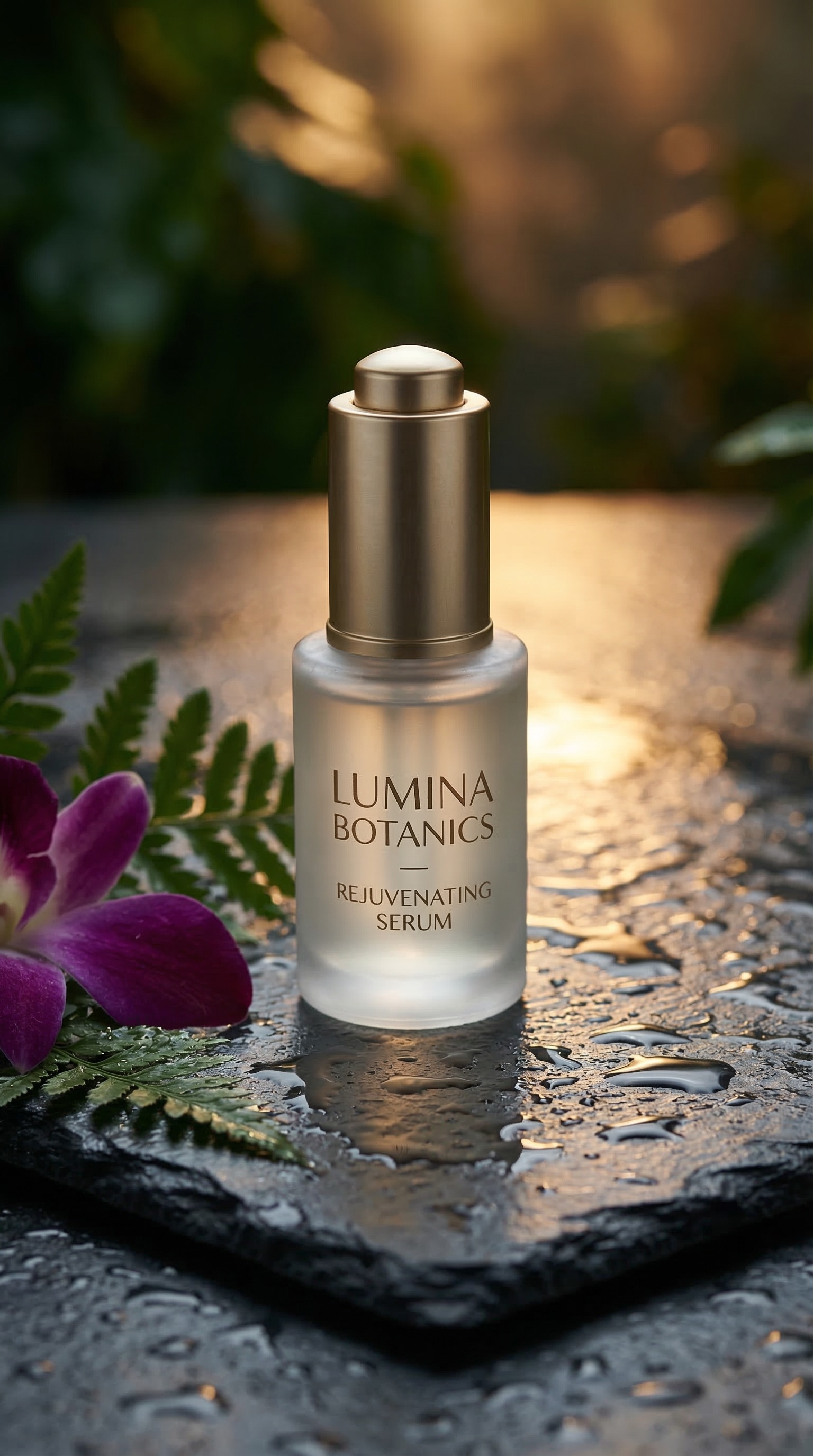
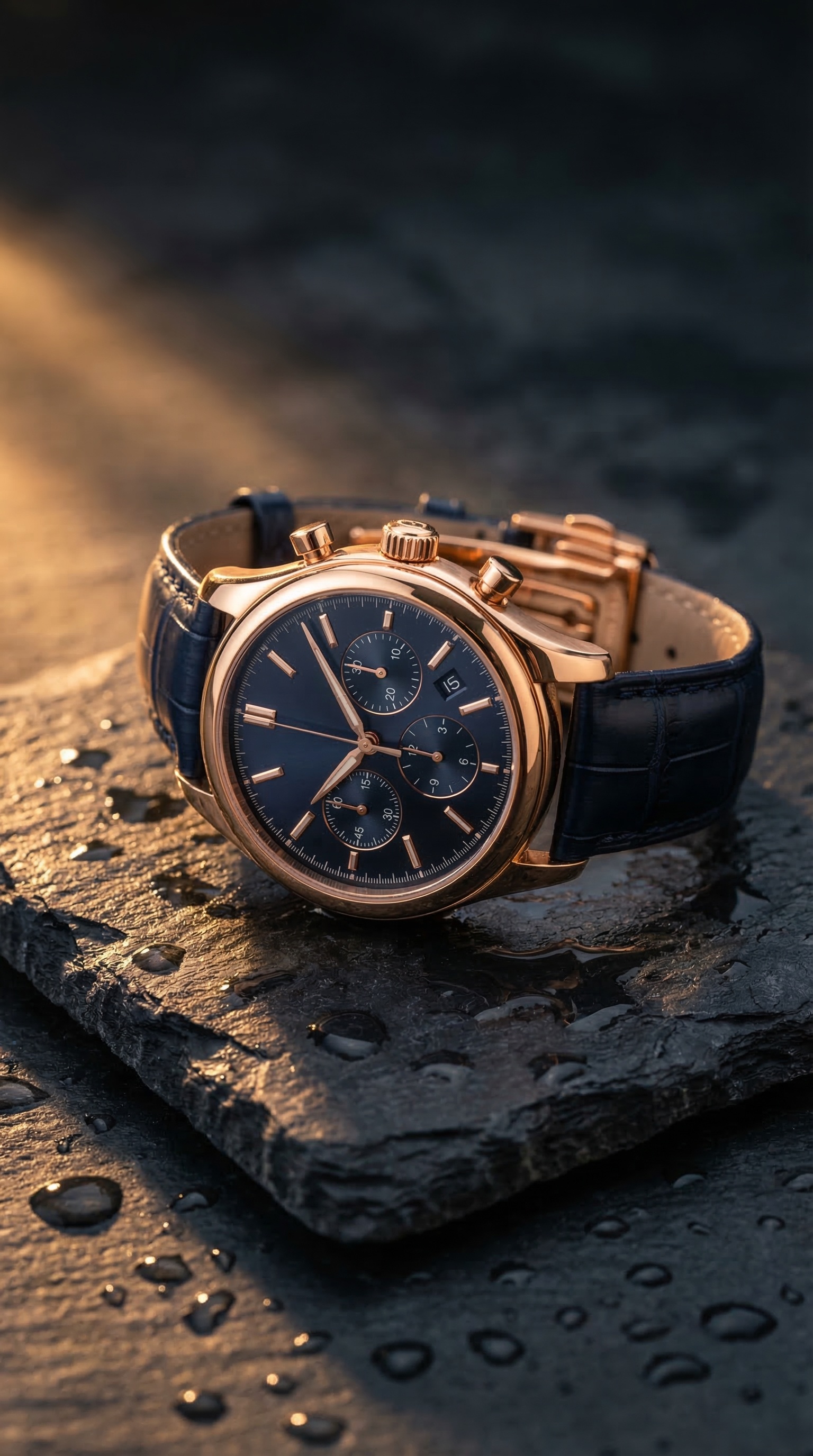
Product photography price tiers
Product and fashion pricing both follow the same structure: three tiers, priced per SKU or per look rather than per day, quoted in whichever of USD or GBP suits your business.
| Category | Priced per | What's included |
|---|---|---|
| Basic e-commerce | SKU | White background, two to three angles, colour and label checked against your reference photos |
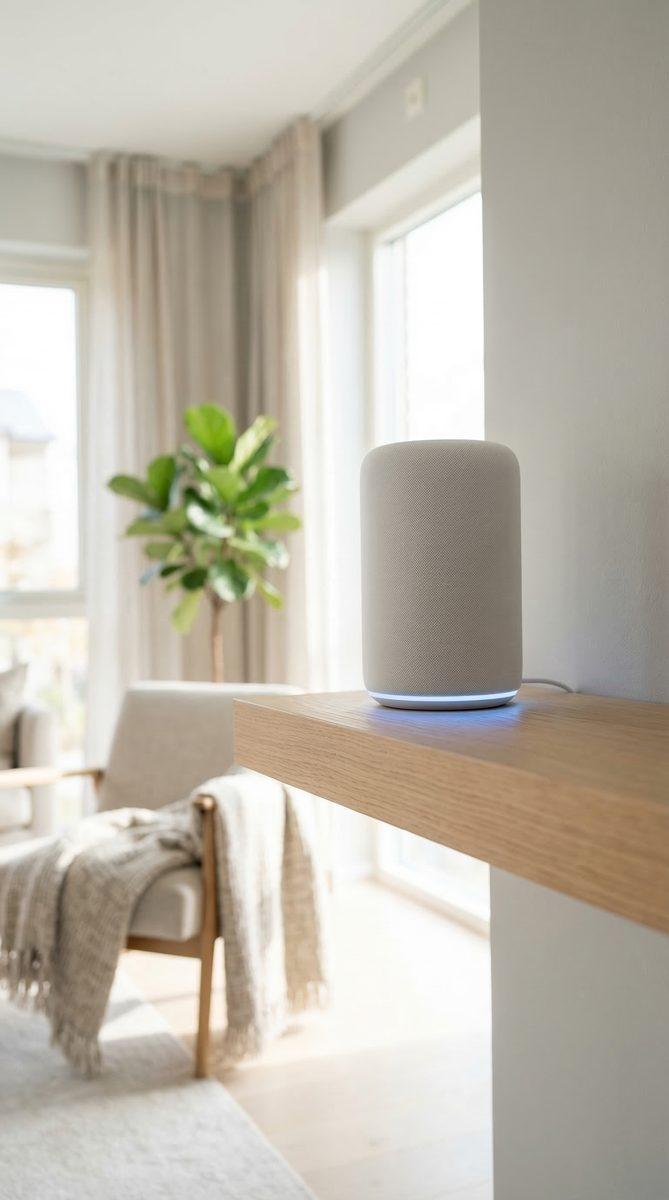
| Styled | SKU | Contextual background and props added to the basic tier |
| Premium | SKU | Full lifestyle scenes and hero images, built for a homepage, ad or landing page |
| Catalogue lookbook | look | Single model, clean background, one or two poses |
| Styled fashion | look | An environment and multiple poses added to the catalogue tier |
| Campaign-grade | look | Editorial scenes, model variations and custom environments |
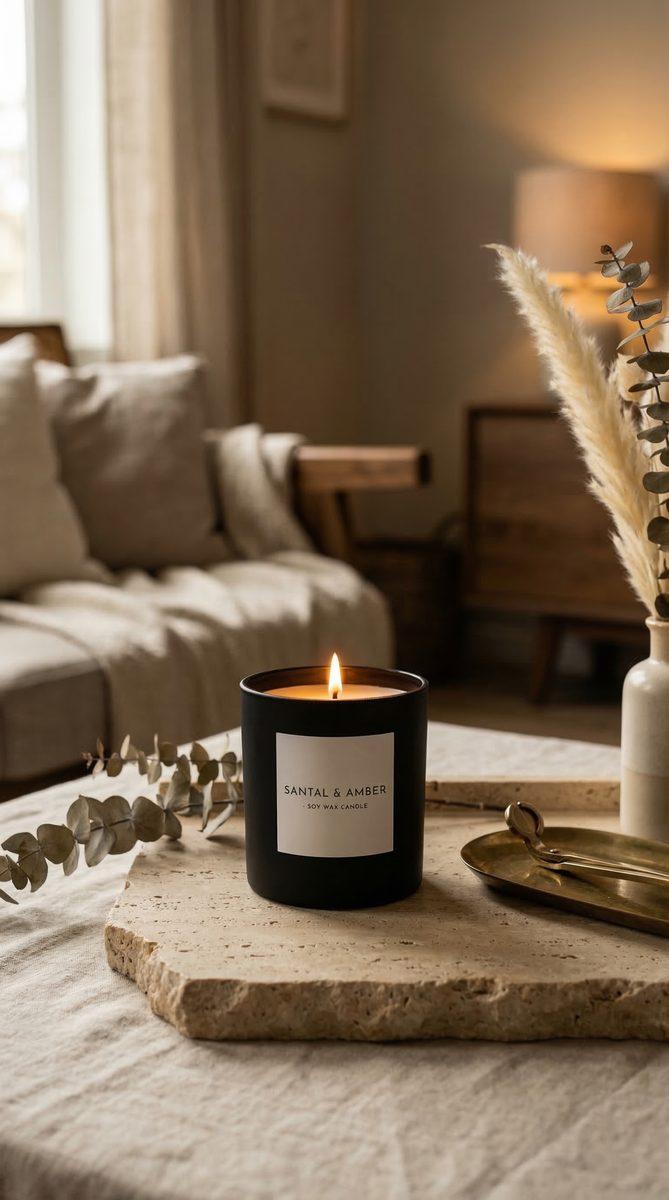
| Lifestyle scene | scene | A product placed in a full contextual environment |
| Food | dish | Menu-grade through to campaign-grade plating and styling |
| AI video (product video, UGC-style ads, fashion film) | project | Quoted once script, length and number of variants are scoped |
Every quote is a range until the brief is confirmed, and depends on volume, complexity, the number of environments or model variations, and the revision scope agreed upfront — which is why a five-SKU test order and a 200-SKU catalogue can land at different points inside the same tier. See AI product photography for what each tier looks like in practice.
Fashion and lookbook price tiers
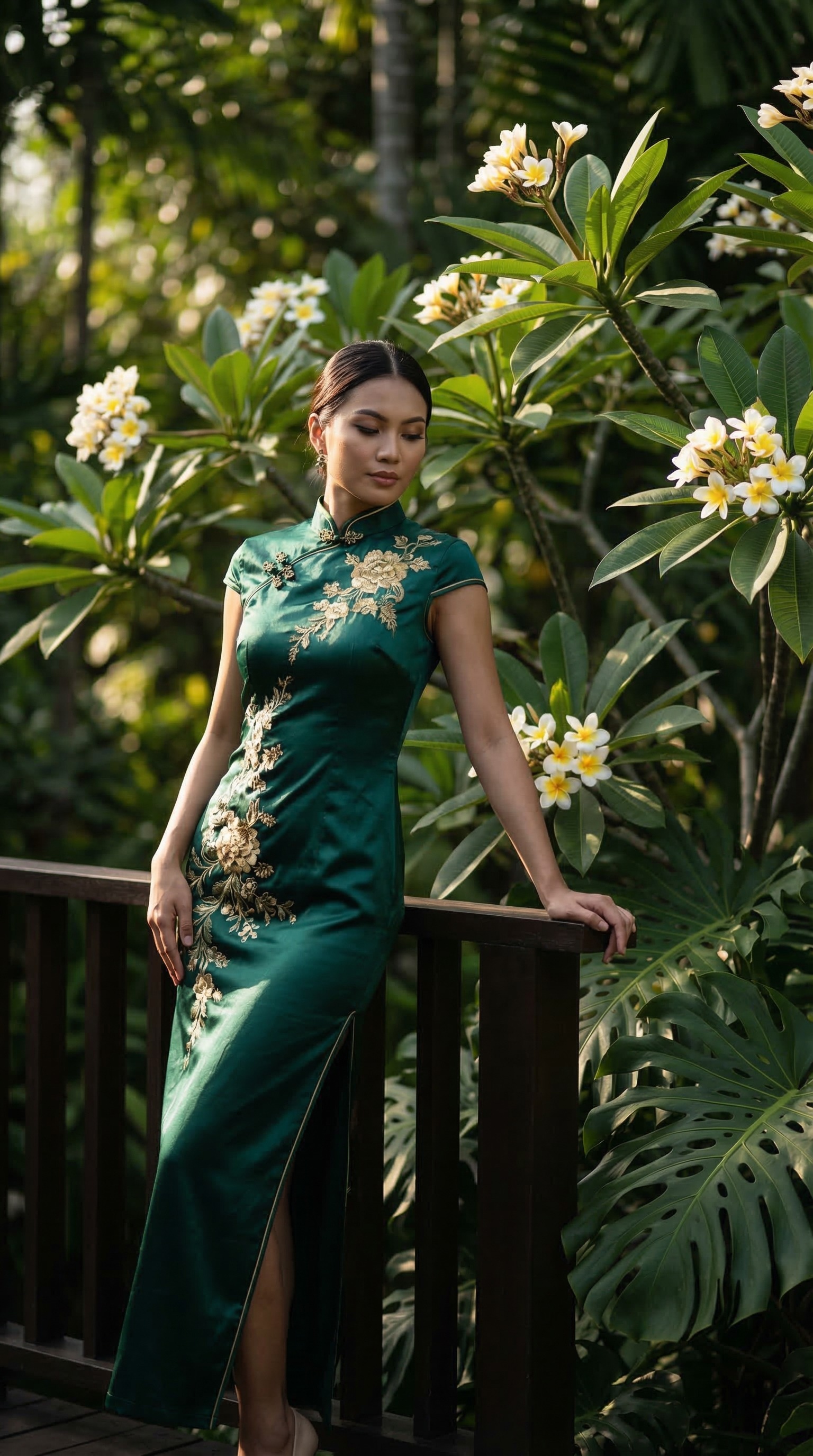
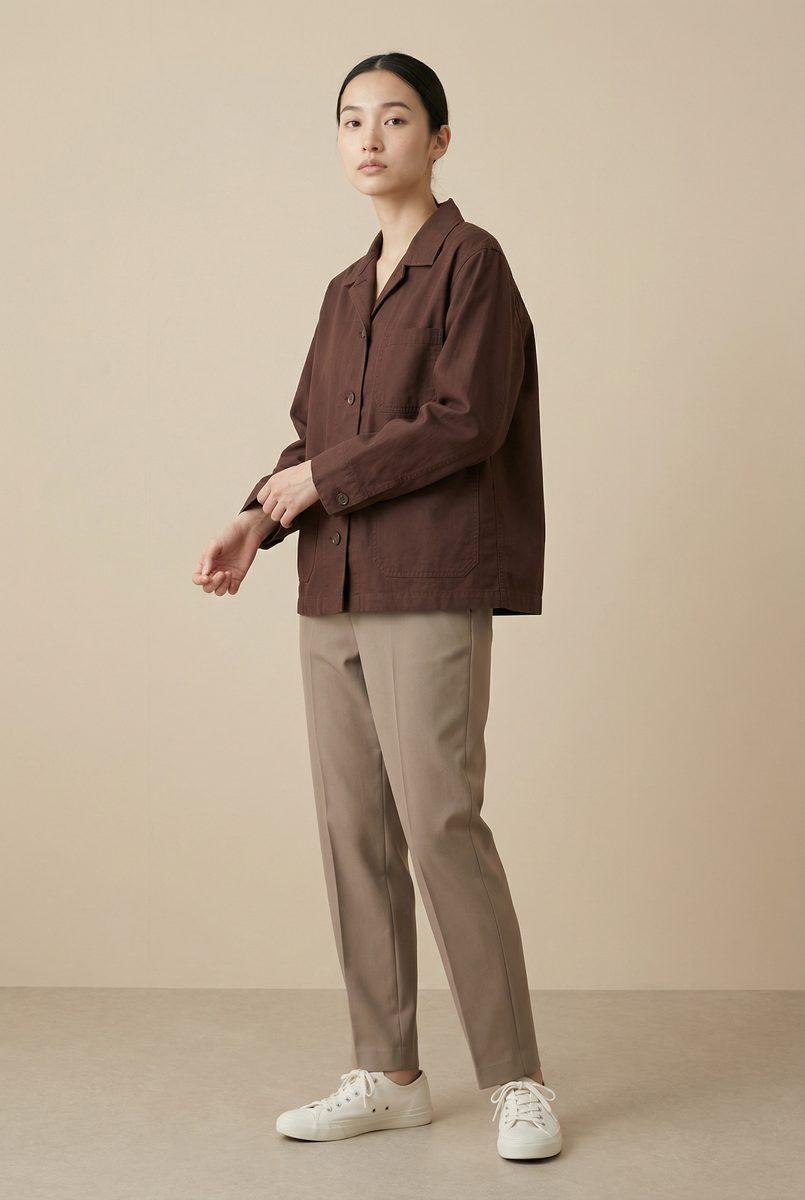
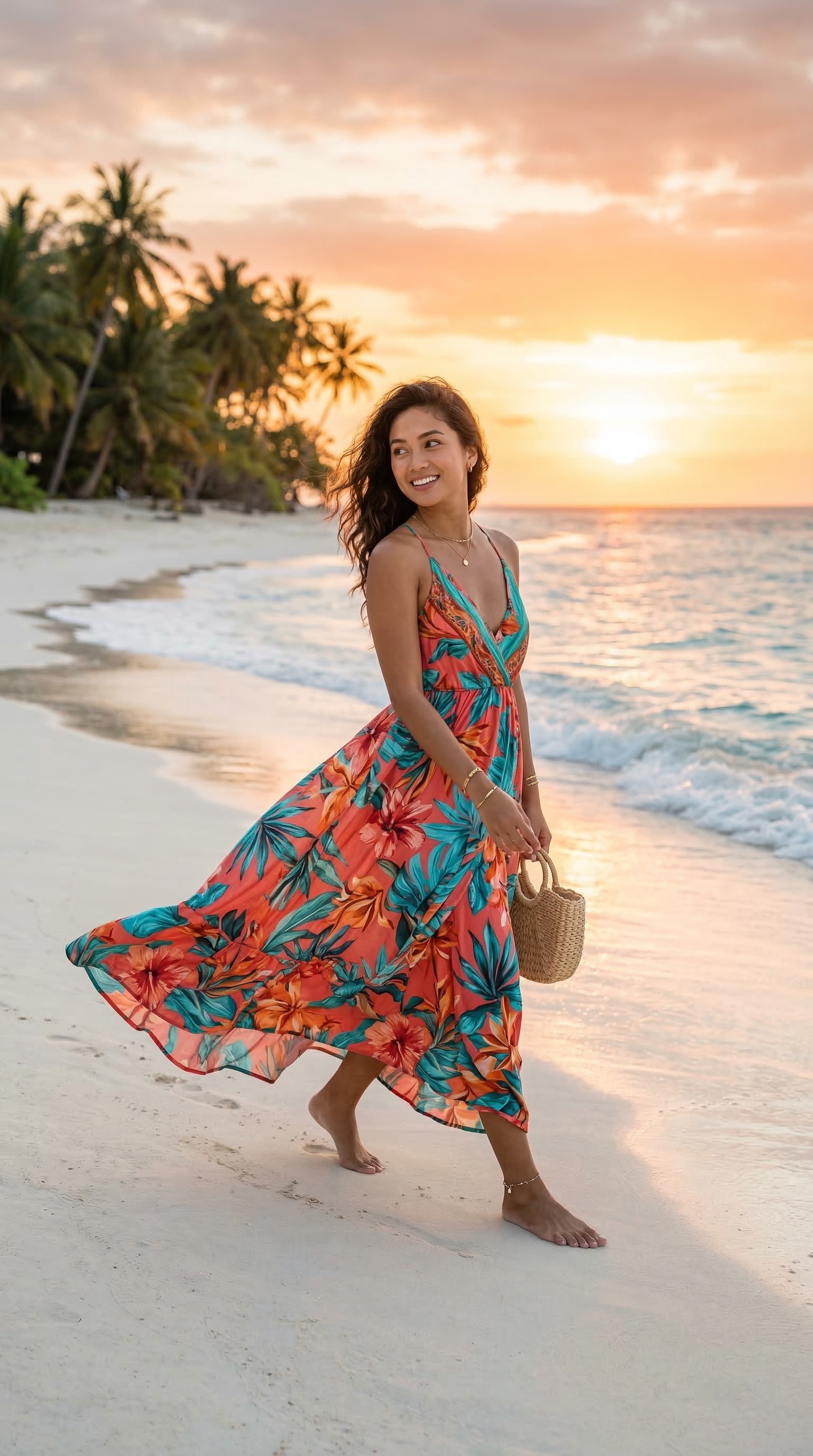
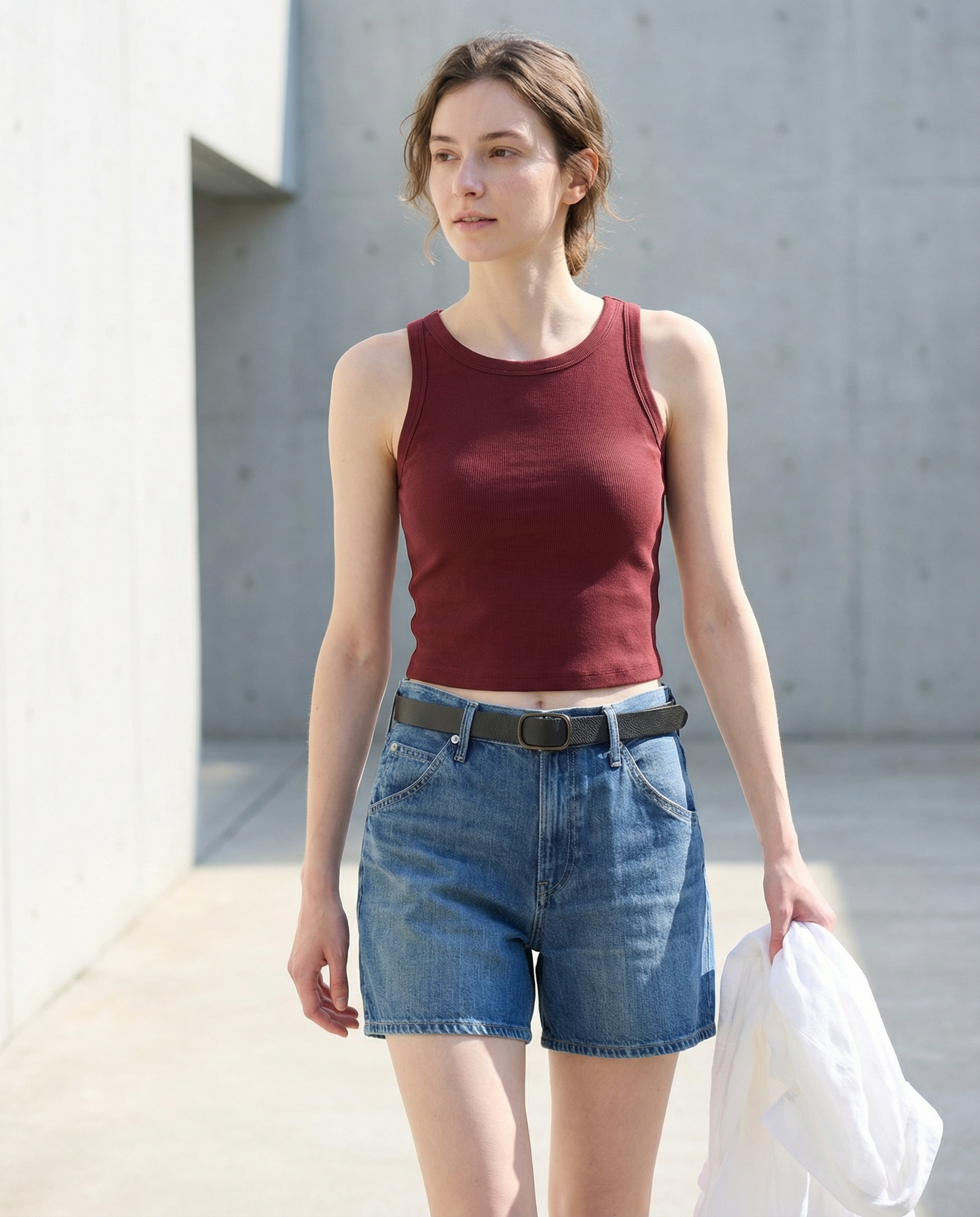
Fashion quotes depend on looks, poses, model direction and the complexity of the setting. A catalogue lookbook may use a clean background and a limited pose list. Styled work adds environments; campaign work adds a treatment and more detailed continuity checks. Sample approval and garment corrections affect timing as well as cost. The AI fashion photoshoot page explains the production inputs and review process.
What drives the price up or down?
Within any tier, six factors move the final number:
- Volume. Larger catalogues and collections generally land at a better per-unit rate once a look or set-up is established, since the first frame in any batch carries most of the casting and set-up cost.
- Complexity. A plain white background costs less than a multi-prop lifestyle scene or an editorial environment, because more elements need to be generated and checked in every frame.
- Environments and variations. Extra backgrounds, seasonal sets or colour variants per SKU or look add to the count of finished frames you are ordering, even when the underlying product or garment stays the same.
- Model variations. Casting more than one AI model identity, or more poses per look, moves fashion work toward the higher tiers, since each identity needs its own consistency check across the run.
- Revision scope. How much back-and-forth is included is agreed in the brief upfront, since it is one of the clearest cost drivers and the one most brands underestimate before their first order.
- Rush. Faster-than-standard turnaround is available on product work at an added fee, agreed at brief stage rather than added after work has started.
None of these factors change the per-SKU or per-look basis of the quote; they change where within the published range a given brief lands. A basic tier order with high volume and a simple revision scope sits near the bottom of its range; a premium tier order with several environments, more than one model identity and a rush deadline sits near the top of its range, and the brief will say so before work starts.
How does it compare with a traditional shoot in the US and UK?
In the United States, a full one-day studio shoot, photographer, studio hire and basic styling, typically runs US$2,000–5,000, with basic white-background product images running US$25–75 each and styled lifestyle images US$100–500 or more (Nightjar, 2026; larsmillermedia, 2026). In the United Kingdom, basic e-commerce packshots typically run £10–25 per image, styled work £50–200 or more, and a London commercial day rate with studio and editing included runs roughly £850–1,200 for individuals and small businesses, or £1,000–1,600 for larger brands and campaigns (welpix, 2026; archphoto.studio, 2026). Those figures cover a single day's output. AI photoshoot pricing scales per SKU or per look instead, so a 50-SKU order does not require a second day booked, a second studio hire or a second model rate — and a brand ordering a small batch is not paying for a day-rate floor it doesn't use.
The gap to a traditional shoot narrows once you move into styled or premium fashion work, where more creative direction and more environments are genuinely part of the cost either way. Neither traditional figure above includes styling, props or a second colourway, which is exactly the kind of addition that the "what drives the price up or down" factors above account for. Request a quote against your own SKU list or collection to see the exact number, in USD or GBP.
What is included and what is not?
Every quote includes creative direction on casting, set and lighting; a sample set for sign-off before the full run; the frame-by-frame quality check against your reference photos; and delivery of high-resolution files ready for your channels. Revision scope is part of the quote too, agreed in the brief so both sides know what is covered before work starts.
It does not include usage beyond the terms agreed in the engagement, or physical product samples, since none are required for the work itself. Rush delivery ahead of the standard turnaround carries an added fee rather than being bundled in by default. We flag where a platform's own labelling or disclosure rules for AI-generated imagery apply to your channels, but the compliance decision and any related legal review sit with your team.
To put it plainly: a quote covers everything needed to get a finished, checked frame into your hands, from casting through to file delivery. It does not cover a brand's own legal sign-off, a second usage window beyond what was agreed, or a physical sample shoot run alongside the AI work, since those sit outside what an AI photoshoot itself produces.
How do you start without risk?
Send one product or one outfit and we will generate four sample frames free, before you commit to a paid order. Most brands use this to judge accuracy and style on their own item, then move straight to a full SKU list or collection once the look is approved. There is no minimum order size to request the free test, and no obligation to continue past it if the look is not right for your brand.
From there, the usual path is a small paid batch, five to ten SKUs or a handful of looks, before scaling to a full catalogue or collection. That step lets you see how the per-unit pricing and revision process work on your own product at a small scale before a larger budget is committed, and it gives you a real quote against your own SKU list rather than an estimate based on a category average.
Frequently asked questions
Is there a minimum order size?
No fixed minimum applies to the free four-shot test, and paid orders can start as small as a handful of SKUs or a single look. Per-unit pricing tends to improve at higher volume once a look or set-up is established, but small test orders are common and welcome.
How many revisions are included in the price?
Revision scope is agreed in the brief alongside volume and complexity, since it is one of the clearest drivers of the final quote. Rather than a fixed number of rounds, the scope of back-and-forth is set upfront so both sides know what is included before work starts.
What currency will I be quoted and billed in?
Quotes are issued in US dollars or pounds sterling, whichever suits your business. The ranges on this page reflect current pricing in both currencies, and your final invoice uses the currency agreed at brief stage, so there is no exchange-rate surprise once the work is delivered and the invoice is raised.
How fast is turnaround once I approve a brief?
Timing is agreed against the brief. Product work depends on SKU and image count, surface complexity and label checks. Fashion work adds casting, garment construction and pose review. AI video adds runtime, shots, voice and edit stages. Agree sample, review and final-delivery milestones separately.
Why is fashion priced per look and product priced per SKU?
Each unit reflects what actually changes between frames. A "look" in fashion covers one styled outfit on one model across its poses; a "SKU" in product photography covers one item across its angles and scenes. Pricing per unit, rather than per day, means the cost scales with what you actually order.
Does the price include usage rights?
Frames are delivered for your commercial use across web, marketplaces, social and paid media on the terms set out in the engagement. Usage beyond those terms is not included by default; if your plans expand, tell us at brief stage so the right terms are agreed upfront.
Is AI video priced the same way as photography?
No. AI video, including product video, UGC-style ads and fashion film, is quoted per project rather than per clip, since scripts, length, presenter use and the number of variants vary too much for a single per-unit rate to be meaningful.
Can I mix tiers within one order?
Yes. Many brands order basic packshots for marketplace listings alongside a smaller set of premium lifestyle images for the product page and paid media, all from the same reference photos and the same brief, priced as one itemised quote rather than negotiated tier by tier.