

- Traditional per-image cost hides day-rate minimums that AI pricing does not carry.
- AI Studio prices per SKU, not per day, with no studio, model or travel fee to add.
- A 100-SKU catalogue can cost roughly a third to a half as much through AI at the basic tier.
- AI is not automatically cheaper for very small batches or shoots needing a named human.
What does traditional product photography cost in the US and UK in 2026?
In the US, a basic white-background product photo typically costs US$25-75 per image, rising to US$100-500 or more for a styled lifestyle shot. Pricing by provider tier runs from roughly US$3-12 offshore, US$15-40 at mid-market studios, US$25-75 for freelancers, and US$100 or more at agencies. A studio hire alone runs US$300-1,500 a day, and a full one-day shoot with studio, photographer and basic styling costs US$2,000-5,000. A small-to-mid one-day shoot in a major market covers 40-80 images for US$2,500-8,000, which works out to roughly US$130-830 per outfit before retouching. Model day rates add further cost: US$800-3,000 a day through an agency, or US$400-1,500 freelance.
In the UK, basic e-commerce packshots on a white background cost £10-25 per image, with mid-tier studios charging £25-50. Styled or complex product photography runs £50-200 or more per image. Full-day catalogue packages cost £200-1,000 or more. A London commercial day rate, including studio, lighting, editing and a proofing gallery, runs £850-1,200 for individuals and smaller businesses and £1,000-1,600 for larger brands and campaigns; studio-only hire starts from around £72 an hour, with some studios offering a full day including studio space from roughly £650+VAT, or a half-day from £350+VAT.
The pattern is the same in both markets: the per-image rate looks manageable until you add a day-rate minimum, a model fee, and retouching, at which point the real cost per finished image climbs quickly for anything beyond a simple white-background shot.
What does AI product photography cost?
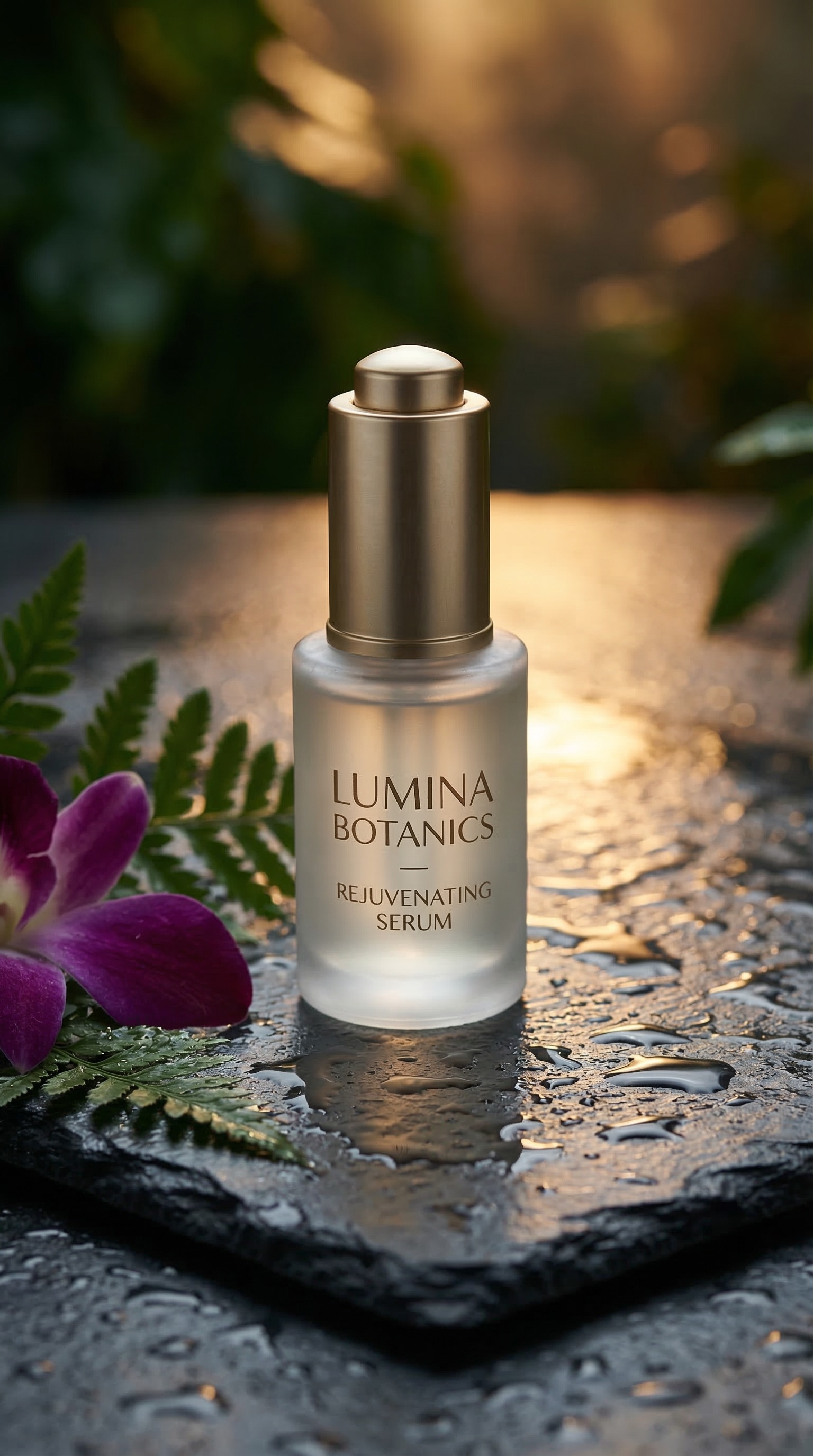
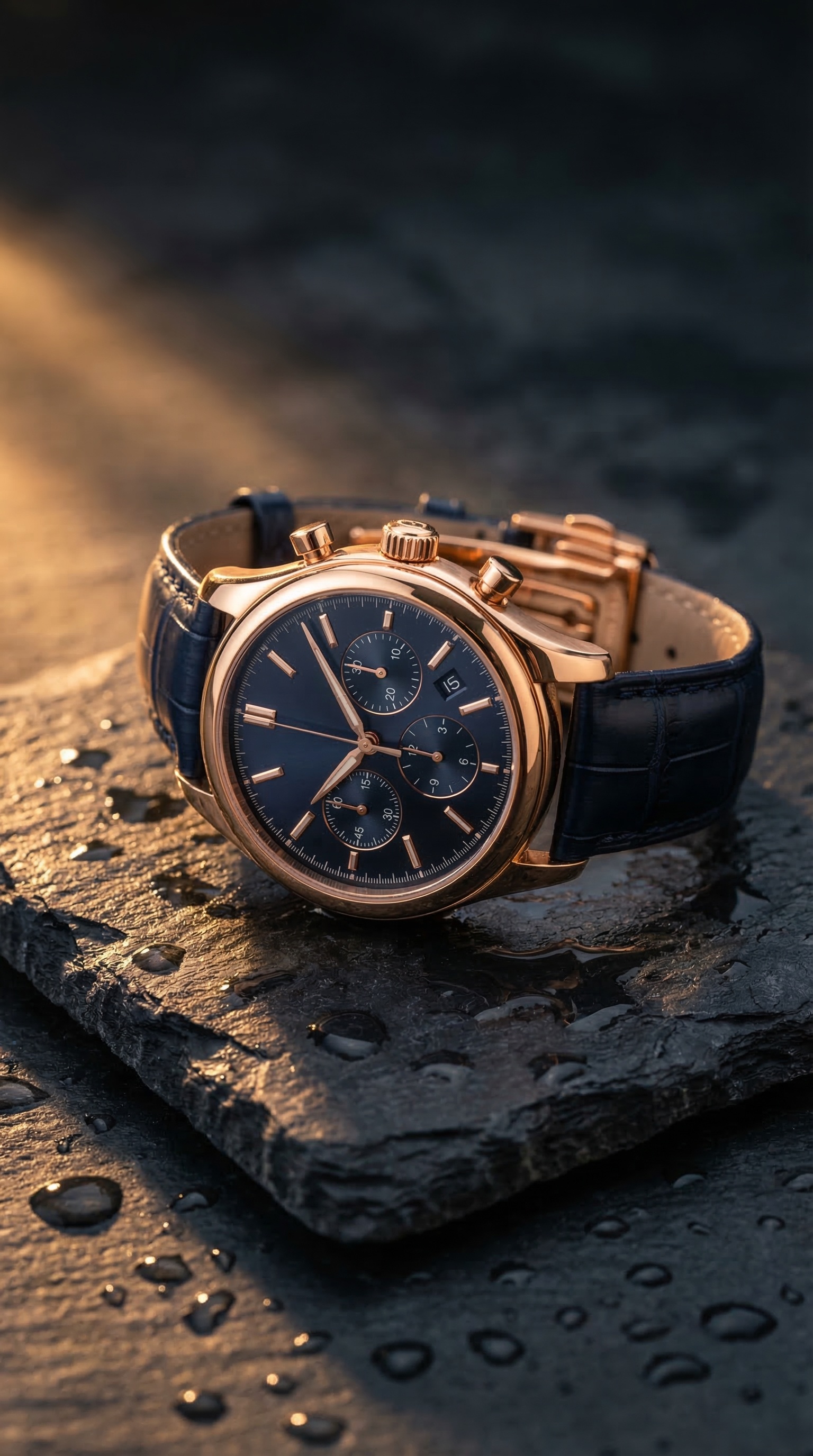
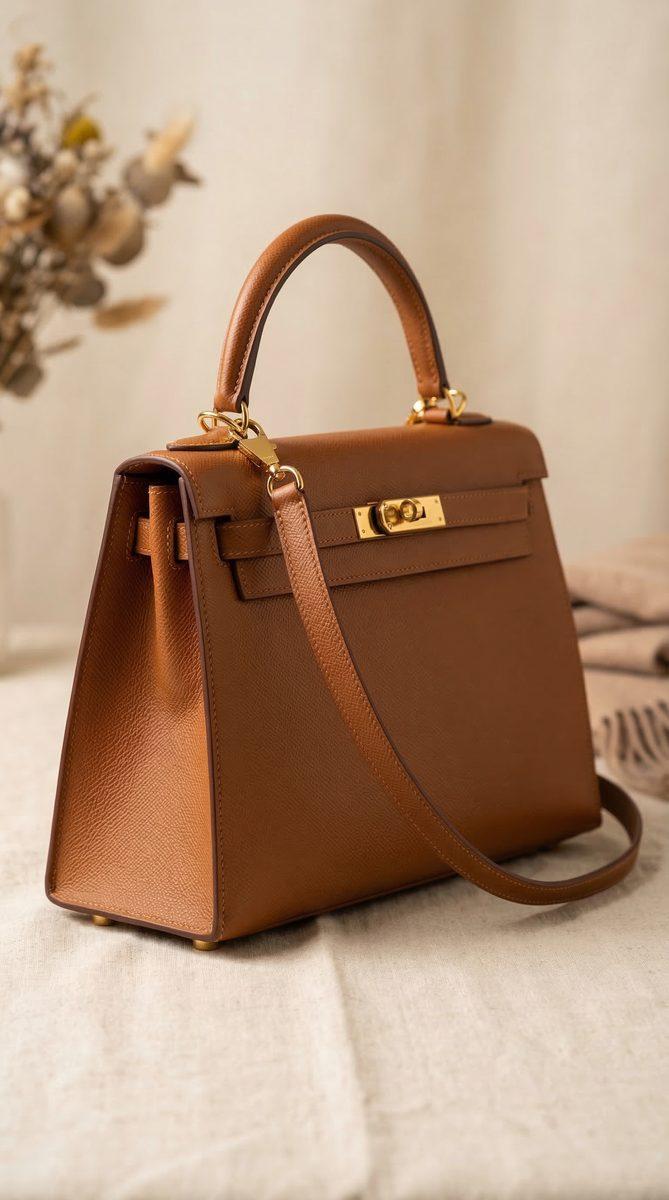
A studio service like this is priced per finished SKU, not per day, across three tiers — basic e-commerce, styled, and premium lifestyle or hero images. Every quote is indicative until the brief is confirmed, because complexity moves the price: more environments, props and model variations per SKU push a job toward the top of its tier, while a plain white-background packshot sits toward the bottom.
The economics change more than the headline rate. A day-rate shoot bills for studio time regardless of how many usable images it produces, so a smaller order still carries the same day-rate floor. Per-SKU pricing removes that floor: a 50-SKU order and a 200-SKU order both pay only for the SKUs actually delivered, with no minimum day booked and no dependency on fitting the shoot into one calendar day.
Self-serve tools use different units from a managed production service. Pebblely’s official monthly plans, checked 1 October 2026, list Lite at US$9 for 30 images, Basic at US$19 for 200 and Pro at US$39 for 500. The Pro allowance is not unlimited. Claid’s plans use operation-dependent credits, and Botika’s plans vary with plan and billing period. Confirm the current provider terms, accepted outputs and your own review effort. AI Studio quotes the agreed production scope and quality review separately.
Worked example: a 100-SKU catalogue
The table below lines up the two traditional routes for a 100-SKU basic e-commerce catalogue, using only the sourced US and UK benchmarks above. Two routes are shown for the US: pure per-image pricing, and the studio-day route that a photographer would actually quote for a batch this size. The UK row uses the sourced London day-rate benchmarks, split by business size, since that is how the source itself reports the figure.
| Cost basis | Traditional (US, per-image) | Traditional (US, studio-day route) |
|---|---|---|
| Unit cost | US$25-75 per image | US$2,500-8,000 per day, 40-80 images |
| 100-SKU total | US$2,500-7,500 | ~2 studio days needed for 100 images: US$5,000-16,000 |
| UK equivalent | £1,000-2,500 (at £10-25/image) | Two-day London day-rate route: £1,700-2,400 for individuals/small businesses, £2,000-3,200 for larger brands (at £850-1,200/day and £1,000-1,600/day) |
| Turnaround | Booking plus shoot day(s), then retouching | Booking plus shoot day(s), then retouching |
The arithmetic: 100 images at US$25-75 per image gives US$2,500-7,500 for the pure per-image route. The studio-day route needs roughly two days to cover 100 images at a rate of 40-80 images per day, so two days at US$2,500-8,000 gives US$5,000-16,000, and that figure still excludes retouching and model fees if the images are anything beyond a still product on a background.
The UK figure needs the same care, because the sourced London day rate splits by business size rather than giving one blended range. Two days at £850-1,200 a day, the rate for individuals and small businesses, gives £1,700-2,400. Two days at £1,000-1,600 a day, the rate for larger brands and campaigns, gives £2,000-3,200.
A per-SKU studio service removes the day-rate floor entirely: 100 SKUs are billed as 100 SKUs, with no second day, second studio hire or second model rate to add once volume passes what a single shoot day can cover, and delivery is scheduled by SKU scope, styling and review requirements. Styled and premium work narrow that structural gap, since more creative direction and more environments are genuinely part of the cost either way — but the day-rate floor itself never reappears once you move to per-SKU pricing. Request a quote against your own 100-SKU list to see where it lands, in USD or GBP.
What hidden costs disappear and which remain?
Costs that disappear with an AI-generated catalogue: model day rates, studio hire, travel and shipping of physical samples to a shoot location, and the reshoot cost when a traditional session goes wrong on the day. Turnaround risk also falls, since there is no single shoot day that a delay or a sick model can derail, and no dependency on a studio's calendar availability in the weeks before a launch date.
Costs that remain, or move rather than disappear: creative direction and briefing time, since someone still has to set casting, lighting and shot list; revision rounds, which are agreed in the brief rather than unlimited; usage rights and licensing terms, which apply to AI-generated images the same way they apply to traditional ones; and compliance work around disclosure. Amazon has required sellers, since July 2026, to tag photorealistic AI-generated people in listing images with the IPTC keyword "contains-synthetic-performer," a direct response to a New York state law on synthetic performers that took effect the previous month. That tagging work is a real, if small, addition to the workflow that a purely traditional shoot does not carry. Rush turnaround, if you need it ahead of the agreed first-batch window, is also a cost that remains: it carries an added fee on both sides of the comparison, whether that means paying a premium for a rushed studio booking or a rush fee on an AI order.
One cost also moves rather than disappears in a less obvious way: internal review time. A traditional shoot concentrates feedback into a single day on set, where a creative lead or brand manager approves a look in person before the crew moves on. An AI-generated catalogue spreads that same review across a sample-set sign-off and, for a large order, a check on the first production batch, which suits a distributed or remote team well but only if someone on the brand side is available to turn sign-off around quickly, since a slow approval adds days to a workflow otherwise built for 48-hour delivery.
When is AI not cheaper?
AI product photography is not automatically the cheaper option in several situations. A very small batch, such as five or ten SKUs for a brand that already has a photographer on retainer or in-house studio space paid for by other work, may cost little extra to add to an existing session, since the marginal cost of a few more frames inside a booking that is happening anyway is close to zero. Photography that depends on proving a specific, named human being wore or used the product, for testimonial or influencer content, needs a real shoot regardless of price, because the point is the identifiable person. Certain regulated categories, where a label or package must be photographed exactly as manufactured for compliance reasons, may also require the physical item in front of a real camera rather than a generated scene. A brand already locked into a photographer or studio retainer for an unrelated reason, such as a contract that runs regardless of volume, will not see the same saving either, since the traditional cost is sunk whether or not it books extra frames.
There is also a brand-trust cost worth weighing, not just a cash one. Survey data from 2026 shows only 45% of Gen Z and Millennial consumers feel positive about AI-generated ads, against 82% of ad executives who believe they do, and 52% say they would stop buying from a brand after an experience that felt inauthentic. Cheaper imagery that damages trust with a core audience is not actually cheaper once that is priced in, so the calculation belongs with the brand team, not only the finance team.
How to brief to keep cost down
Send clean reference photography: flat, even-lit shots of the product from the angles you need, without heavy filters, so nothing has to be reshot or guessed at. Batch similar SKUs together and lock one background or scene per batch rather than requesting a different setting for every item, since variation is what pushes a job from the basic tier into styled or premium. Set the revision scope in the brief up front rather than after seeing the first batch, and choose the basic tier for anything that does not need a lifestyle scene.
Confirm your target channels and currency at brief stage too: telling us upfront that images need to fit Amazon's main-image rules, or that a batch needs to include the "contains-synthetic-performer" tag where a photorealistic AI-generated person appears and Amazon’s tagging rule applies, avoids a second pass later to add compliance work that could have been built in from the start. If you need a rush delivery ahead of the agreed first-batch date, say so at the brief stage rather than after work has started, since rush work carries an added fee. Finally, nominate one approver for the sample-set sign-off rather than routing it through several stakeholders in sequence, since the biggest single delay in most AI photoshoot timelines is not generation, it is waiting on internal feedback.
How AI Studio quotes a catalogue
We quote against the tier, the volume and the revision scope agreed in the brief, in USD or GBP, and every estimate is described as an indicative range rather than a fixed price until the brief is confirmed. A non-disclosure agreement is available on request before you share a pre-launch catalogue. A free four-shot test lets you send one product and see four sample frames before committing to a full catalogue, so you can check quality against your own product before any invoice is issued. See AI photoshoot pricing for the full tier breakdown, and AI product photography for what is produced at each tier.
Frequently asked questions
How much does AI product photography cost per SKU?
It's priced per finished SKU, not per day, across three tiers — basic e-commerce, styled, and premium lifestyle or hero images — with the final number depending on volume, complexity and revision scope. There's no studio hire, model day rate or crew cost to fold in, because none of those exist in the workflow. Send your SKU list for a quote, or start with a free four-shot test on one product.
Is AI product photography cheaper than a traditional shoot?
Often, but not always. Against 2026 US and UK per-image benchmarks, a 100-SKU basic catalogue typically costs less through AI once a studio day rate, model fee or reshoot risk is factored in. Very small batches, work needing a named human, or brands with an already-paid-for in-house studio may see a smaller gap or none at all.
Does AI product photography include revisions?
Revision rounds are agreed in the brief rather than offered as an unlimited or fixed number. Because keyframes and sample sets are approved before a full batch runs, most changes happen early and cheaply rather than after the whole catalogue is delivered.
What currency are AI Studio's prices quoted in?
Quotes for US and UK brands are issued in USD or GBP, confirmed once your SKU count, complexity and revision scope are set in the brief. There's no published rate card — every catalogue is different enough in volume and complexity that a real quote against your own list is more useful than a generic number.
How fast is delivery for a large catalogue?
The brief defines the sample batch, SKU sequence and sign-off points. Larger catalogues can be split into cycles so the team can review a representative batch before proceeding.
Do I need to disclose that product images are AI-generated?
Requirements vary by market and platform. Amazon has required sellers since July 2026 to tag photorealistic AI-generated people in listing images, and EU and some US state rules apply their own disclosure duties. We flag the relevant requirement for your market during the brief rather than leaving it for you to find out later.
What is the minimum order for AI product photography?
There is no fixed minimum, and a free four-shot test is available before you commit to a paid run: send one product and receive four sample frames to check quality first. Pricing is per SKU regardless of batch size, though very small one-off jobs may not show the same savings as a larger catalogue.
Can AI product photography match my existing brand photography?
Yes, within the limits of the reference photos you send. We match lighting style, background and framing to your brand's existing look where possible, and a sample set is produced for sign-off before the full catalogue runs, so mismatches are caught early rather than after delivery.