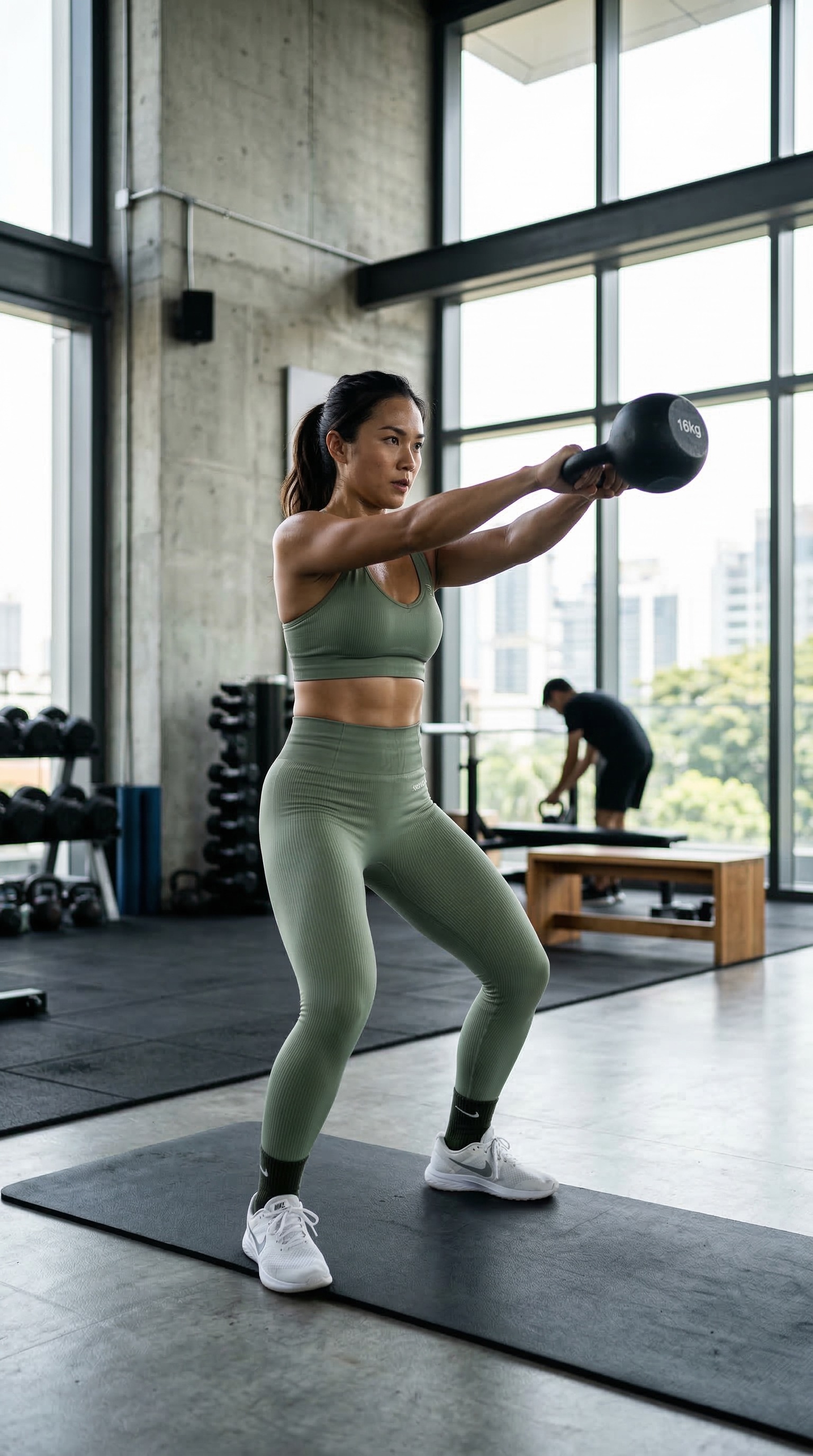
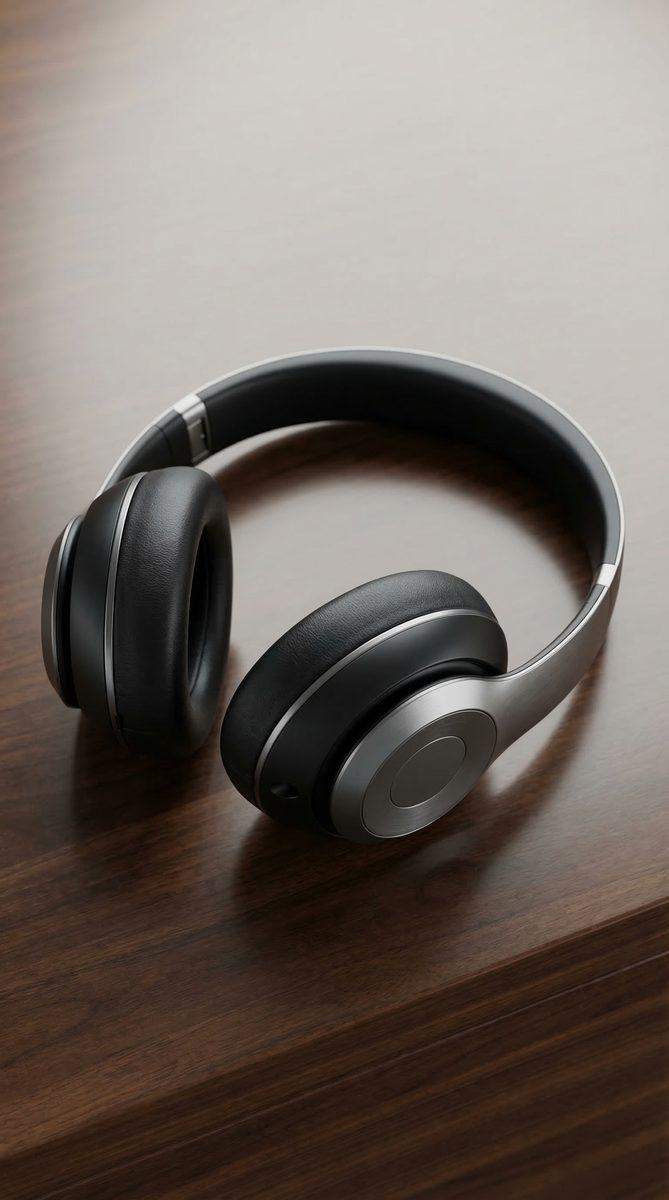
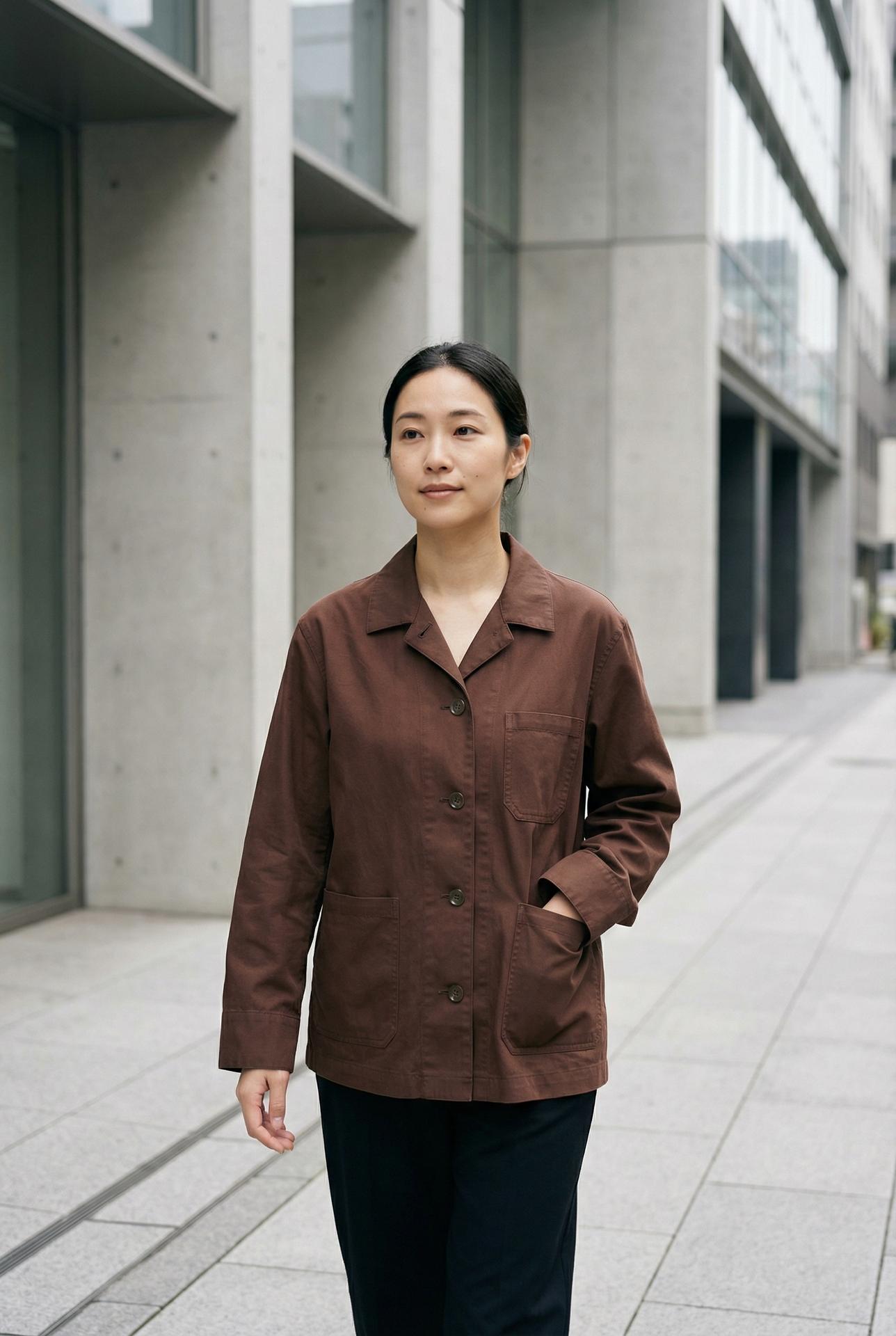

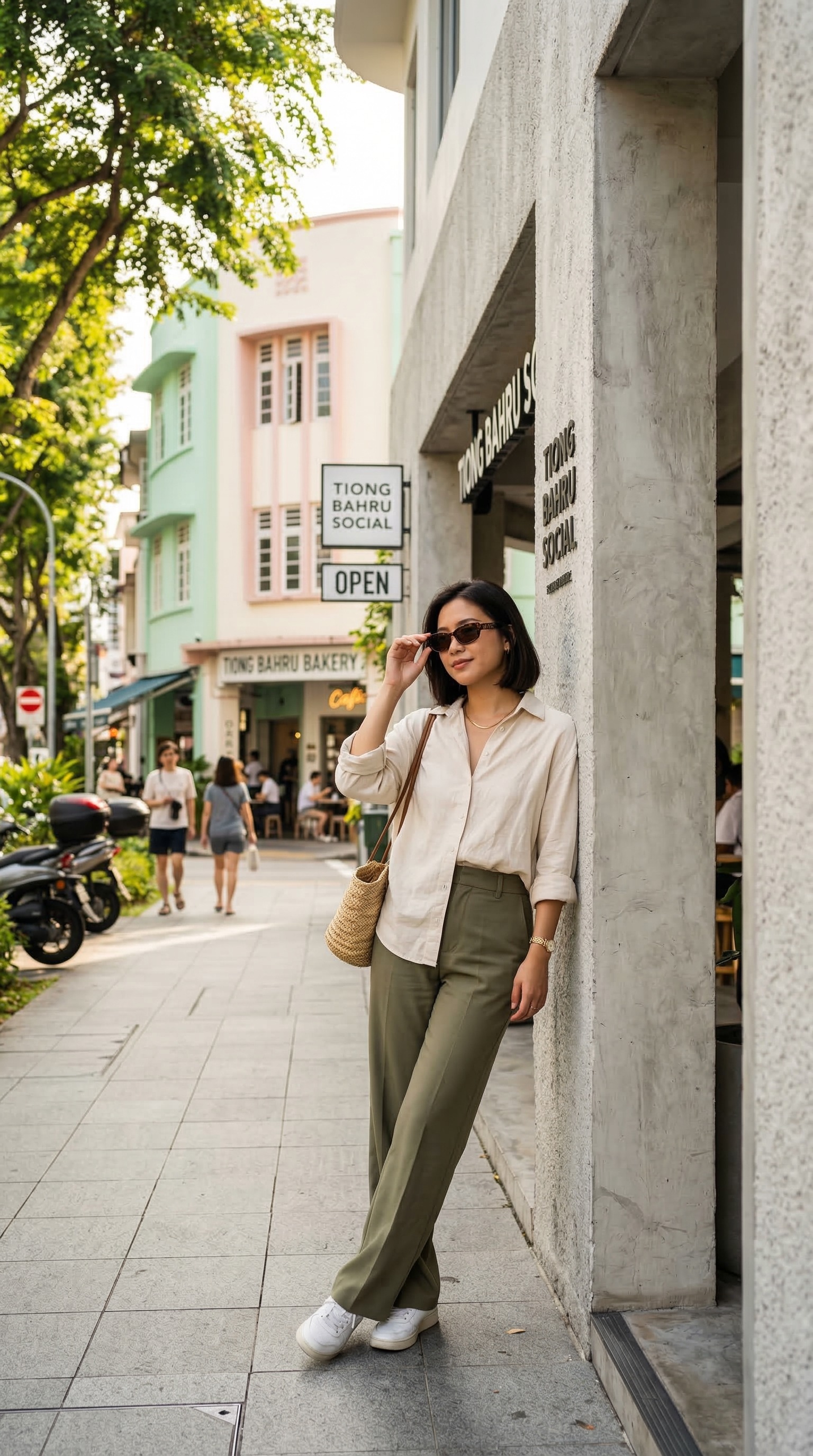
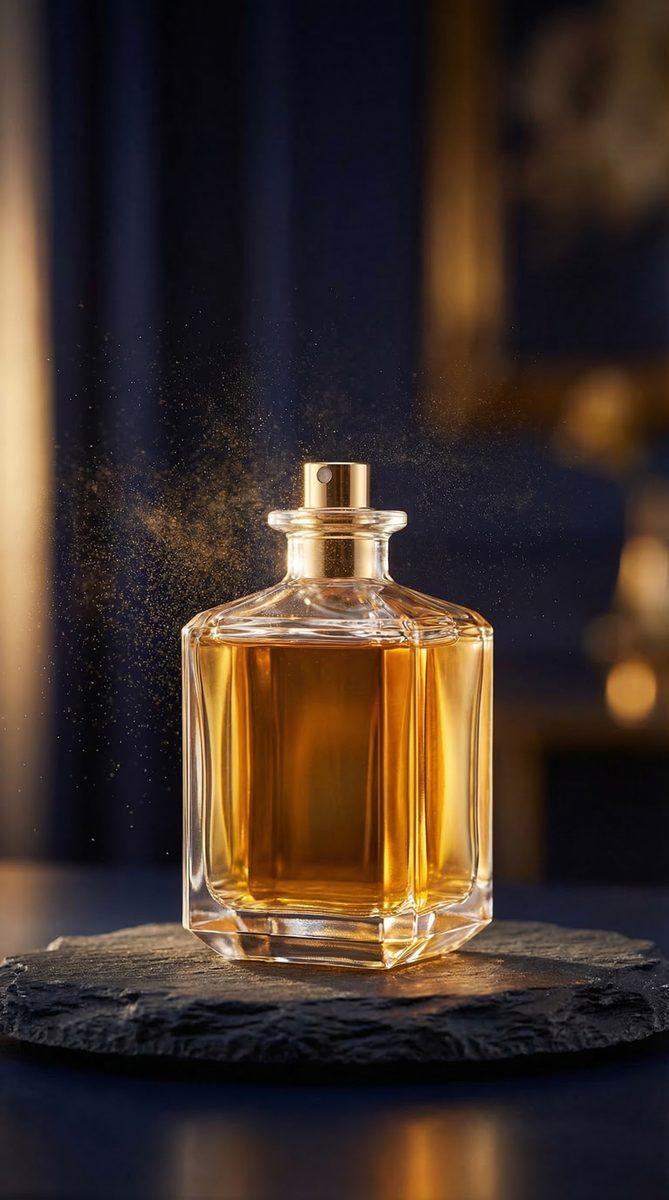
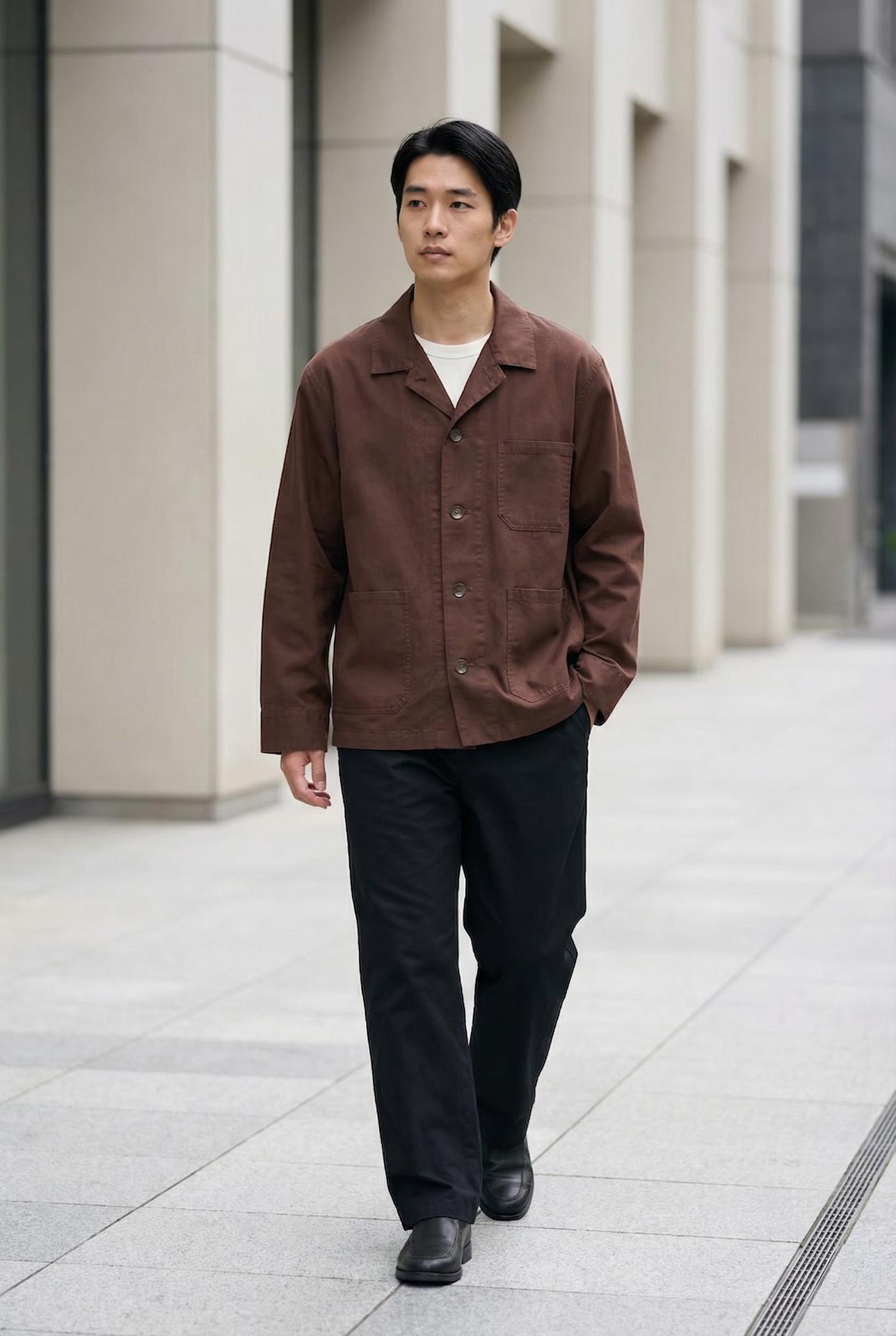
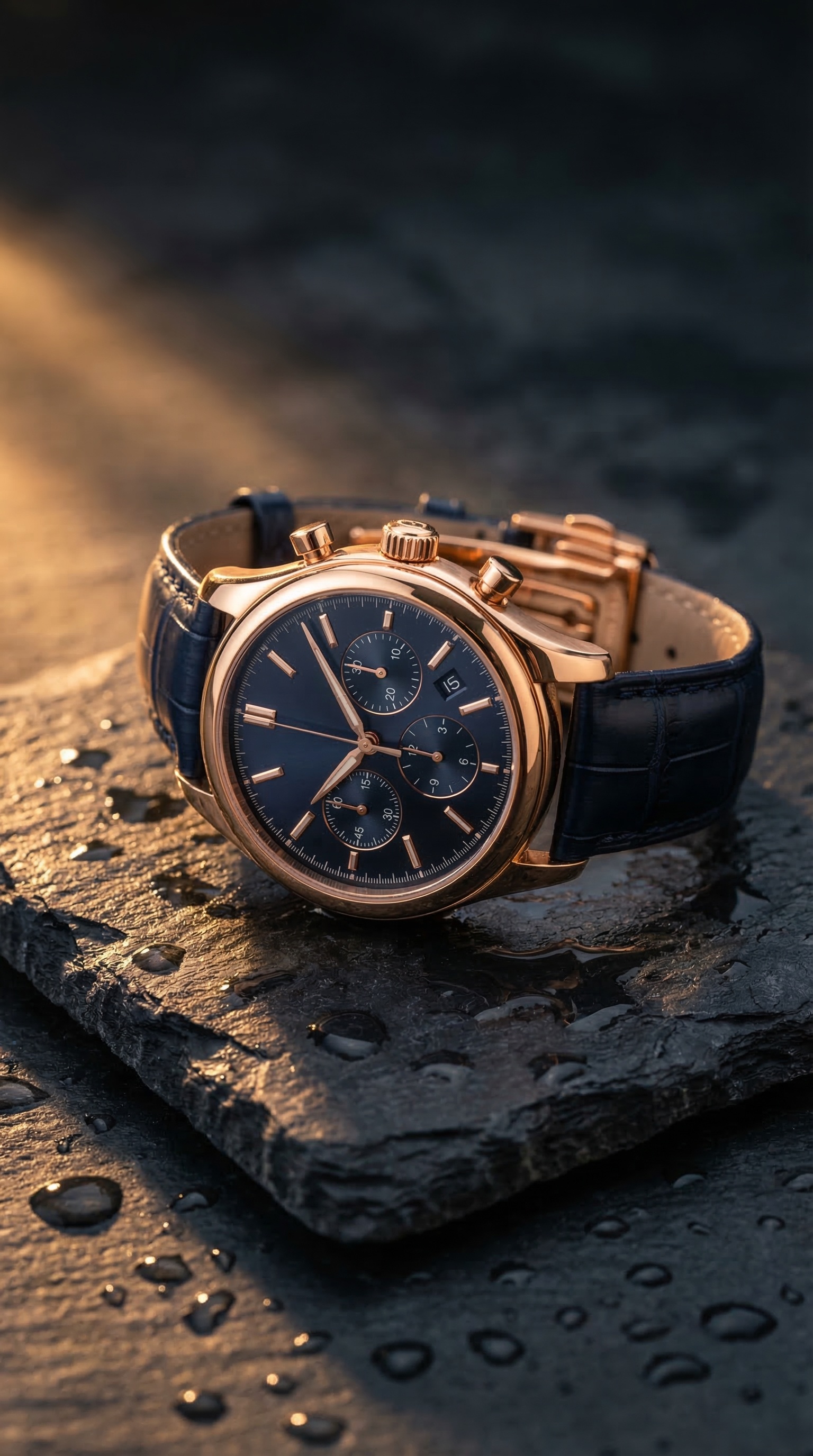
- Real garments and product photos in, studio-grade images and video out, quoted in USD.
- Timezone differences can support asynchronous brief and review; sample timing is agreed from the project scope.
- Every frame checked by a creative director before it reaches your team.
- A free four-shot test before you commit to any paid project.
Why do US fashion and e-commerce brands work with a remote AI photoshoot studio?
A US apparel or DTC brand rarely has time to wait on a photo studio's calendar. Drops move fast, ad creative needs refreshing every few weeks, and a marketplace listing that under-performs needs new imagery now, not after a studio, model and crew are booked. A remote AI photoshoot studio removes the booking bottleneck: you send your own garments or product photos, we cast a model look and build a set concept, and a full collection or catalogue comes back in days rather than weeks.
This matters most at volume. Industry estimates put AI-generated imagery across roughly 40% of e-commerce apparel listings by the end of 2026, a shift driven by brands that need consistent, on-brand images across dozens or hundreds of SKUs without booking a new shoot for every drop. AI Studio works the same way for US brands as it does anywhere else: your garments and products stay the fixed reference, and a creative director checks fabric, colour, logo and label accuracy on every frame before delivery. See our AI fashion photoshoot page for the full production process.
What does a traditional shoot cost in the US in 2026, and what changes with AI?
Compare a US photography quote by its accepted images, locations, studio and crew, styling, models, retouching and usage licence. Rates vary by market and scope, so an unnamed range is not a reliable project budget. Remote AI production has different costs: reference preparation, art direction, generation, fidelity correction and final review. Ask for both approaches against the same deliverable list before claiming a saving.
AI photoshoot pricing works differently: you pay per SKU or per look, not per day, so cost scales with what you actually need rather than with a fixed day rate. Full detail, including what moves a project between tiers, is on our AI photoshoot pricing page, with quotes issued in USD. Every number we send is a range until your brief is confirmed, and depends on volume, complexity and revision scope agreed upfront.
| Factor | Traditional US studio day | AI photoshoot with AI Studio |
|---|---|---|
| Typical cost | $2,000 to $8,000+ for one day, plus model day rate | Quoted per SKU or per look in USD, confirmed upfront |
| Turnaround | Days to weeks, including booking, shoot day and post | Sample and collection timing is scoped to the brief |
| Scaling by SKU count, with batches scoped at briefing | Multiple shoot days, rising day rates | Batched production with delivery sequence agreed at briefing |
| Model/casting | Booked and paid per day, per agency terms | Cast once, one identity locked across the run |
| Quality control | Photographer and retoucher, on set and in post | Creative director on every frame; drift is regenerated |
How does the time zone work in your favour?
AI Studio operates from Singapore. For US teams, agree the time-zone handover, working days, review contact and production cut-offs in the brief. Use asynchronous reference submission and consolidated feedback to keep reviews clear. A time difference can help coordination, but it does not establish overnight production or a guaranteed next-morning sample.
Which formats do US brands order most?
US fashion and e-commerce brands mostly order the same handful of formats: white-background packshots and PDP sets for Amazon and Shopify listings, styled lifestyle images for the same product pages, and cropped or vertical cuts for Meta and TikTok ad sets. Since July 2026, Amazon has required sellers to tag photorealistic AI-generated people in listing images and video with the IPTC metadata keyword "contains-synthetic-performer," a rule introduced directly in response to New York's new disclosure law. Product-only images, real people even when AI-altered, and non-photorealistic content are outside this tagging rule. Shopify’s merchant terms make merchants responsible for their store content, required legal disclosures and compliance with applicable laws. AI imagery should also be checked against the rules of each advertising or sales channel where it will appear. We flag which of these rules apply to your project and build the metadata and labelling into delivery rather than leaving it to you to add later. See our AI product photography page for the full list of formats we produce.
What are the US disclosure rules for AI-generated imagery?
At the federal level, the FTC enforces AI-generated advertising content under Section 5 of the FTC Act, the general ban on deceptive advertising; there is no AI exemption. Its 2023 Endorsement Guides already cover virtual influencers and platform-tag disclosures, and a rule banning fake or AI-generated reviews took effect on 21 October 2024. The FTC formed a dedicated AI enforcement unit in January 2026, and 2026 has already produced a resolved settlement with Growth Cave, an $18 million judgment against Air AI, and proposed settlements with CMG Media, MindSift and 1010 Digital Works over deceptive AI-linked ad claims, announced 21 May 2026.
State law adds a second layer. New York's synthetic performer law, effective 9 June 2026, requires conspicuous disclosure when a commercial advertisement contains a "synthetic performer," an AI or algorithm-generated figure that gives the impression of an unidentifiable real human, where the advertiser has actual knowledge of it. Penalties run $1,000 for a first violation and $5,000 for each subsequent one. California’s AI Transparency Act became operative on 2 August 2026. It requires covered generative AI providers to provide a free detection tool, include embedded provenance disclosures subject to the law’s technical conditions, and offer users the option of a visible disclosure. Separate requirements for large online platforms and GenAI hosting platforms begin in 2027, with capture-device requirements following in 2028. On top of these, Meta applies AI information labels to qualifying AI-generated or significantly AI-edited ads, with treatment depending on the content and available signals. TikTok requires creators to label realistic AI-generated content, and its advertising policies require disclosure of fully AI-generated or significantly AI-edited content. It began rolling out automatic labels based on attached C2PA Content Credentials in May 2024.
How do casting and styling adapt for US audiences?
US casting briefs typically call for a wider spread of ethnicity, age and body type than a single-market shoot needs, reflecting how differently a New York, Los Angeles or Texas customer base can look. We build a casting sheet from your brief, lock one model identity and lighting set-up for consistency across a collection, and adjust seasonal styling to the Northern Hemisphere calendar your buyers actually shop in. If your brand already has a recognisable "brand model" look from past campaigns, we match it rather than introducing a new face with every drop.
How do payment and contracts work?
Quotes for US brands are issued in USD, priced per SKU, per look or per scene against the ranges above; AI video is quoted per project rather than per clip. The exact figure depends on volume, complexity and revision scope, all agreed in the brief before we start, and revision rounds are agreed upfront rather than left open-ended. Usage rights are set out in the engagement itself, covering the channels you actually need, and an NDA is available on request for brands that need one before sharing unreleased product. If you want to see quality before committing budget, start with the free four-shot test: send one product or one outfit and get four sample frames back at no cost. Our AI product photography cost 2026 guide walks through a full worked example if you want to model the numbers against your own catalogue first.
Frequently asked questions
Do you work across US time zones?
Yes. We are based in Singapore, 12 to 13 hours ahead of US Eastern Time and 15 to 16 hours ahead of Pacific Time. The time difference can support asynchronous briefing and review, but it does not guarantee an overnight sample; agree hand-off and review dates against the project scope.
Are AI-generated fashion images legal to use in US advertising?
Disclosure requirements depend on the imagery, platform and audience. New York requires disclosure of synthetic performers in covered advertisements, subject to exceptions. California’s AI Transparency Act imposes detection and provenance duties on covered GenAI providers, including a visible-disclosure option. California’s separate synthetic-performer advertising law takes effect on 1 January 2027. Platform rules may impose additional requirements.
Do I need to label AI-generated people in Amazon listings?
If the image or video is photorealistic and shows an AI-generated person, yes. Since July 2026, Amazon requires sellers to tag such content with the IPTC metadata keyword "contains-synthetic-performer," introduced after New York's disclosure law. Product-only images, real people even when AI-altered, and non-photorealistic content are outside this tagging rule.
How much does an AI photoshoot cost compared with a US studio day?
A single US studio day with photographer, studio and model can run $2,000 to $8,000 or more before a model day rate is added. AI photoshoot pricing runs per SKU or per look instead of per day, so cost scales with what you actually order — request a quote against your own SKU list or collection for an exact number in USD.
Can I pay in USD?
Yes. Quotes for US brands are issued in USD, priced per SKU, per look or per scene, with AI video quoted per project. The final figure depends on volume, complexity and revision scope, all agreed in the brief before work starts, so there are no surprise add-ons later.
Do you sign NDAs before an unreleased product launch?
Yes, on request. Many US brands share unreleased product or pre-launch collections with us, so a non-disclosure agreement is available before you send anything. Usage rights for the finished images and video are set out separately in the engagement itself.
Can you produce images for Meta and TikTok ads at the same time as our product pages?
Yes. The same shoot produces PDP and marketplace images alongside cropped or vertical cuts for Meta and TikTok ad sets. Meta applies AI information labels to qualifying AI-generated or significantly AI-edited ads, with treatment depending on the content and available signals. TikTok requires creators to label realistic AI-generated content, and its advertising policies require disclosure of fully AI-generated or significantly AI-edited content. It began rolling out automatic labels based on attached C2PA Content Credentials in May 2024. We agree the required delivery labels during the brief.
How fast can I get a free sample?
Send product or garment references and the intended channels when requesting a sample. We confirm whether a sample is suitable, the accepted-output scope and a review date before work starts. A US evening handover does not guarantee a completed sample the next morning.