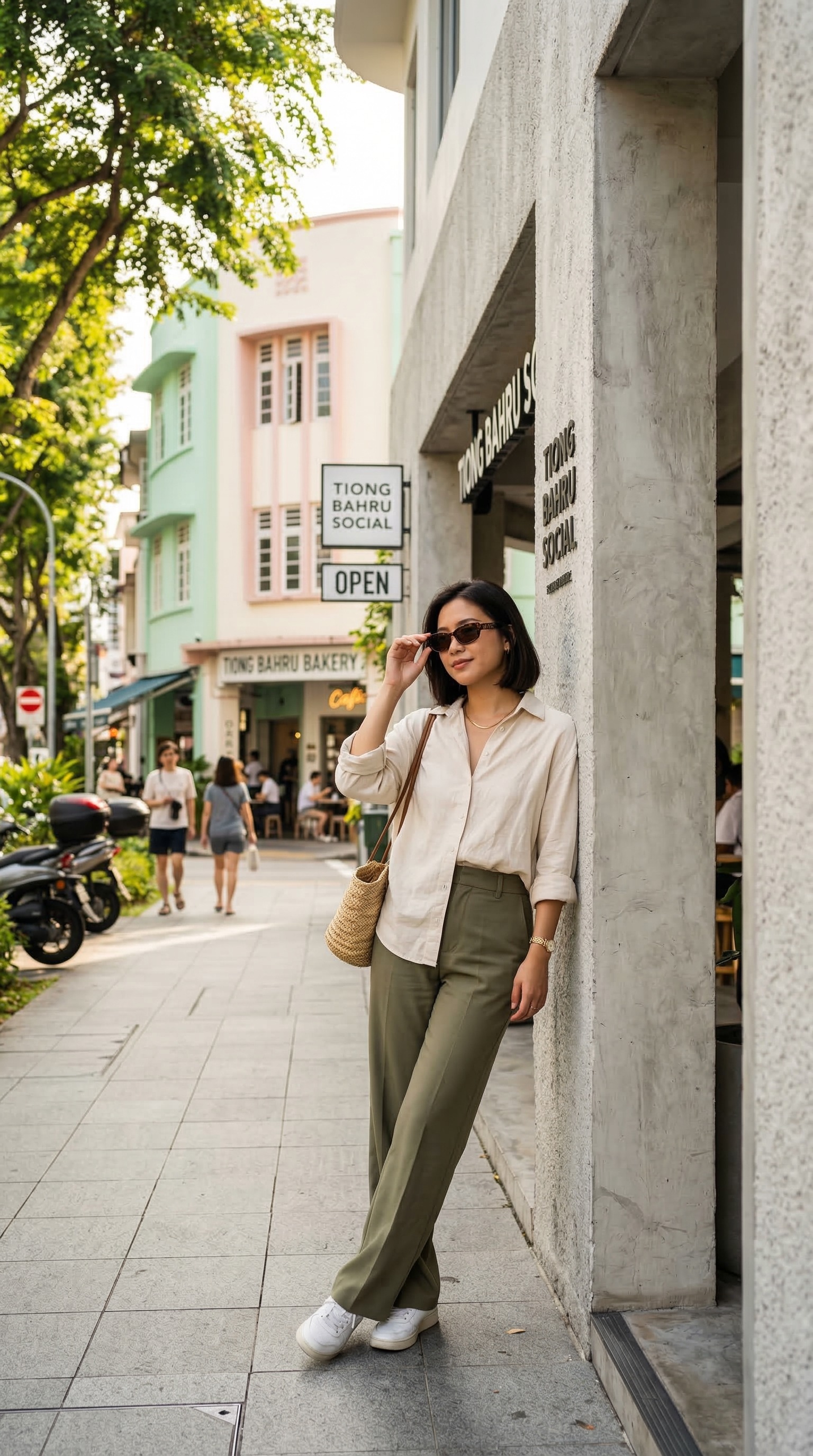
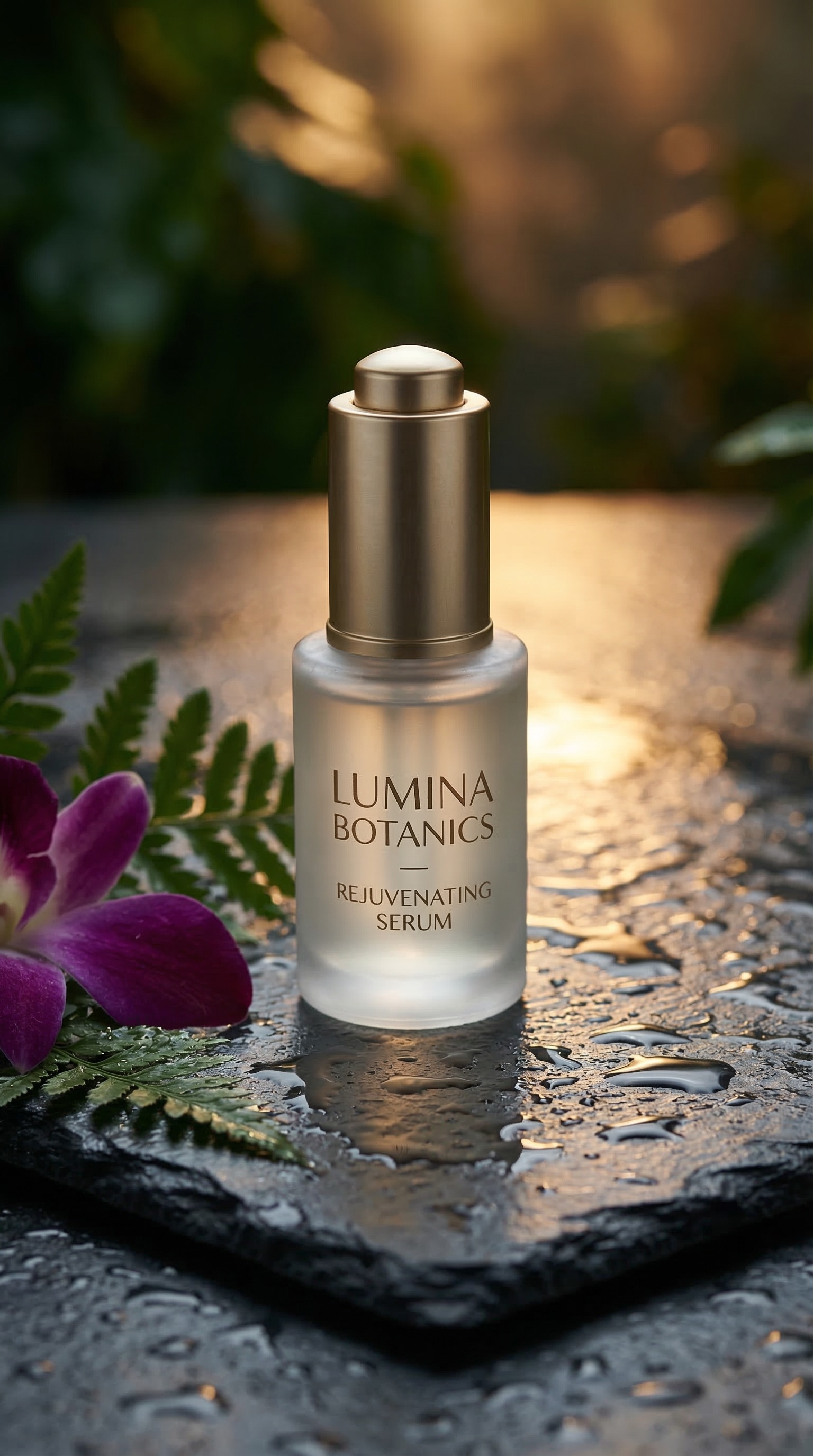
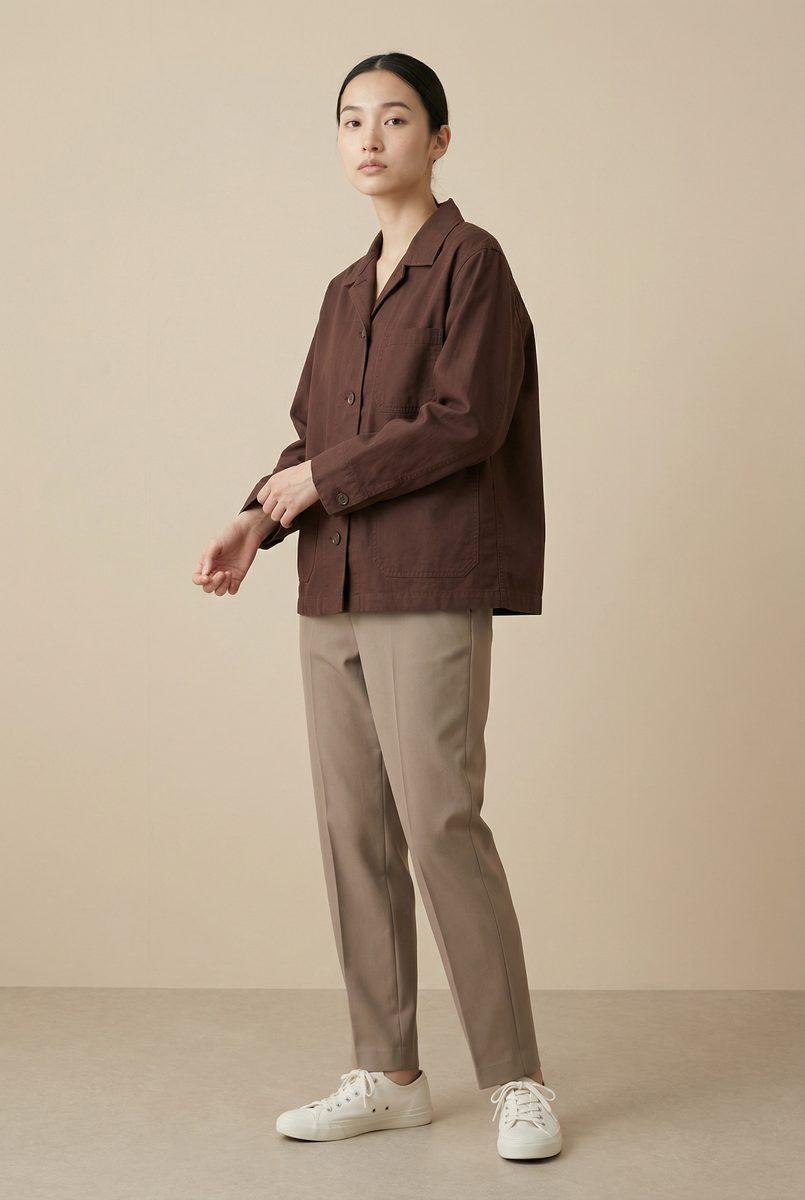
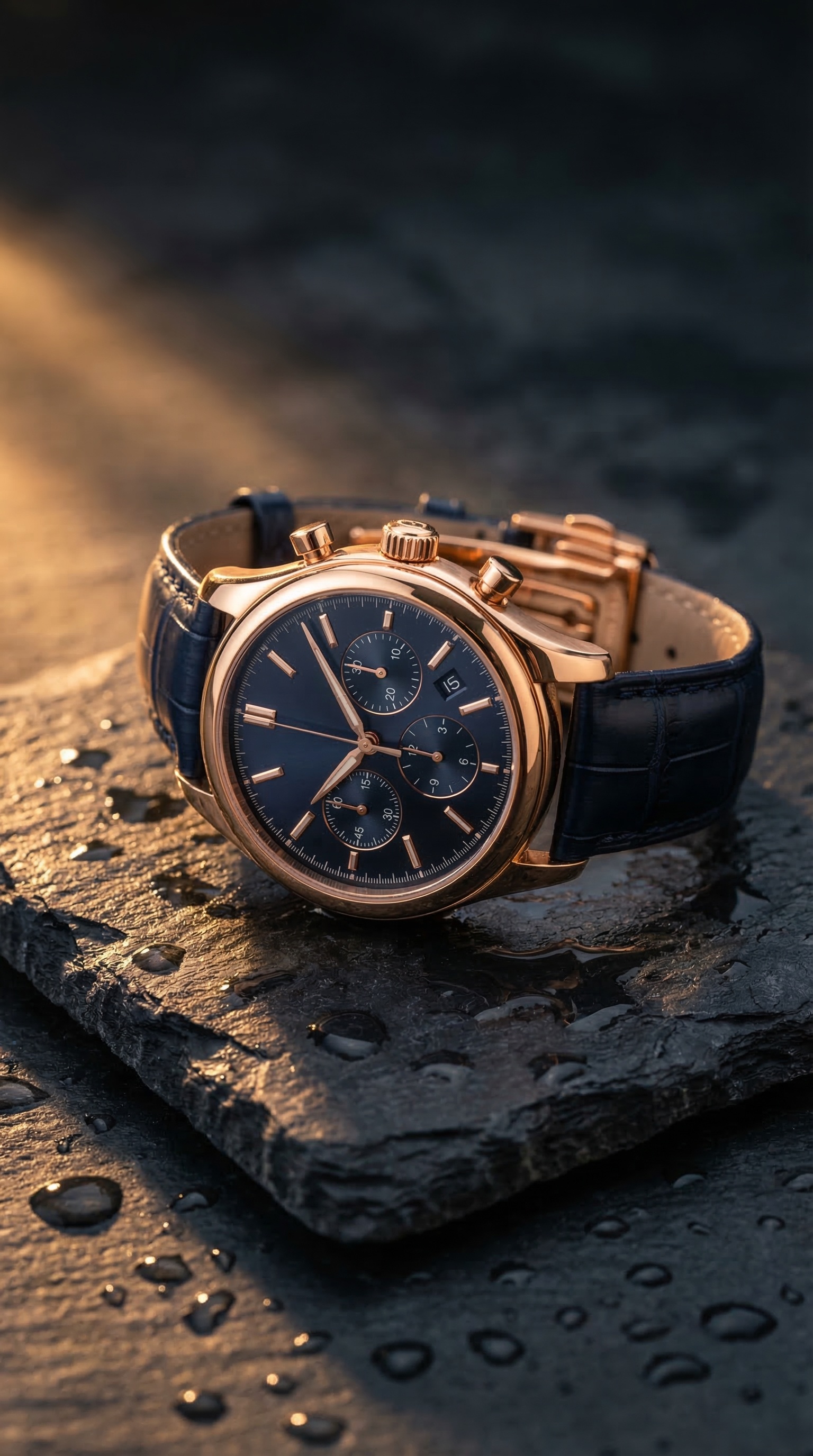
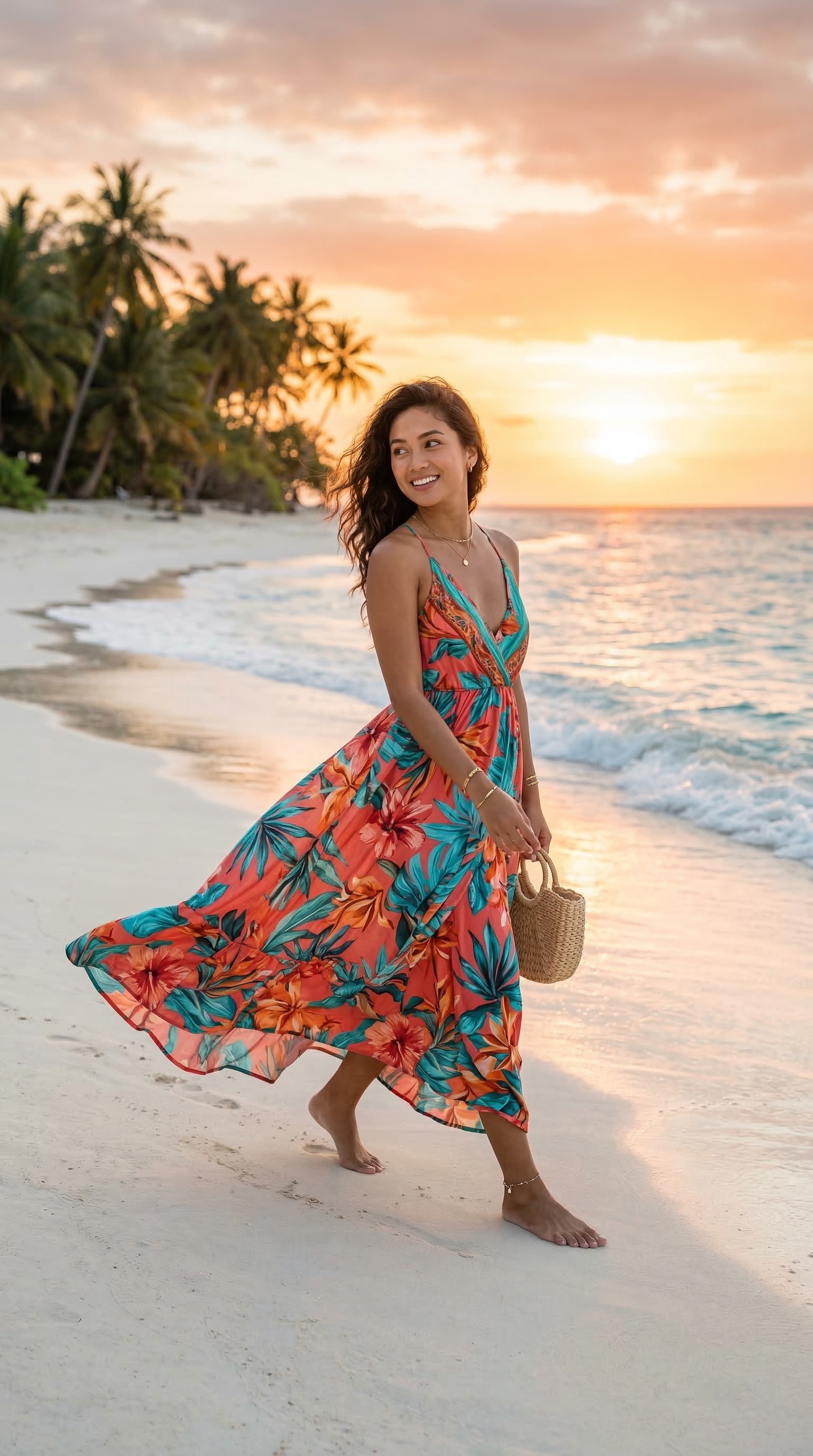
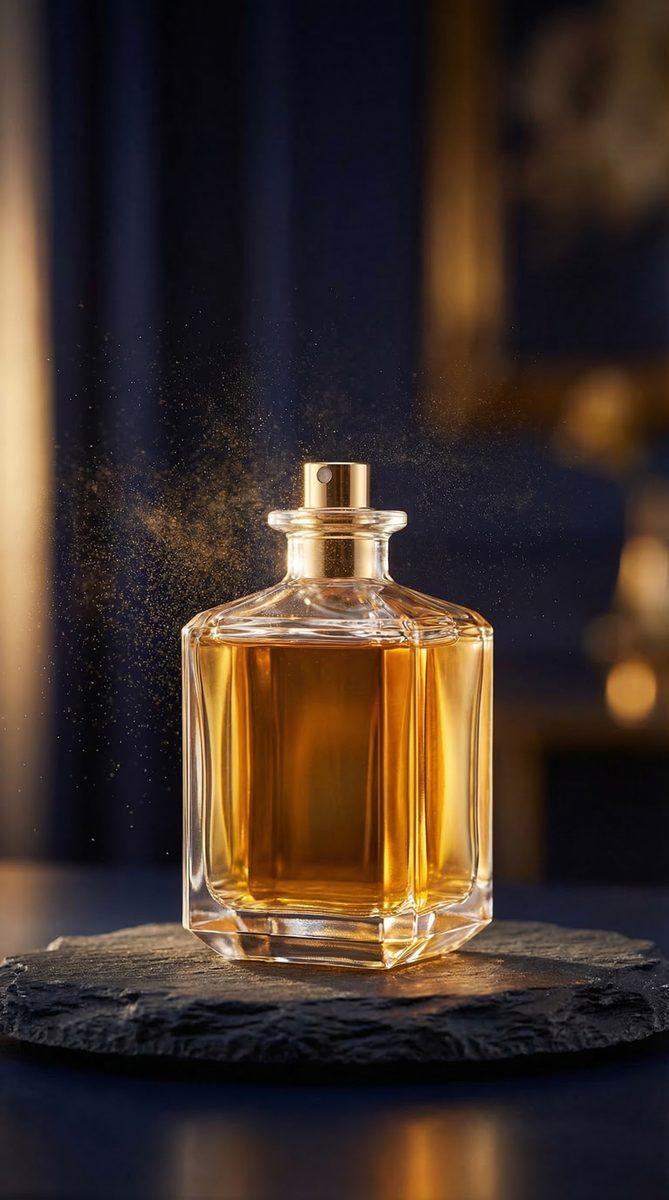
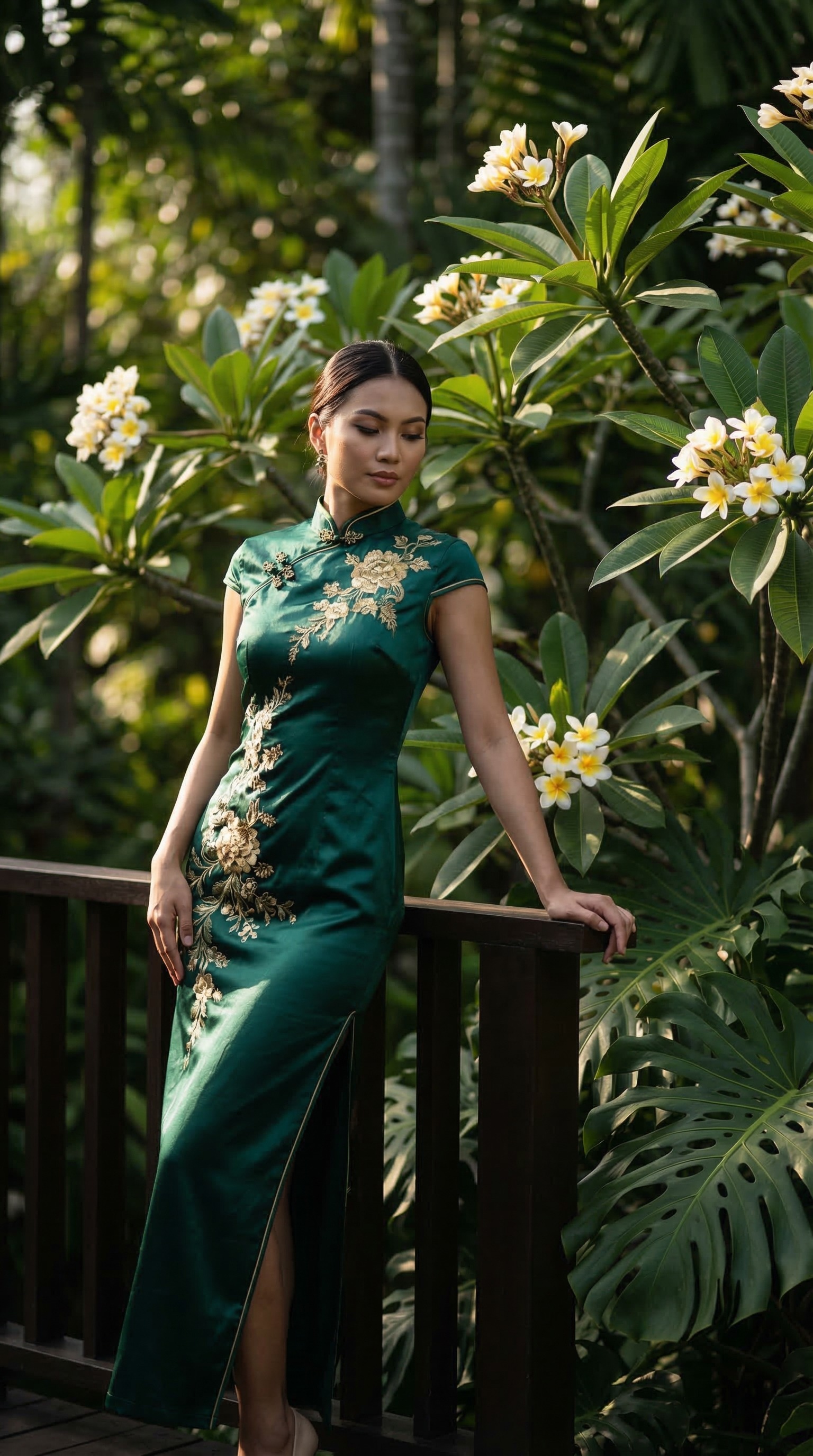
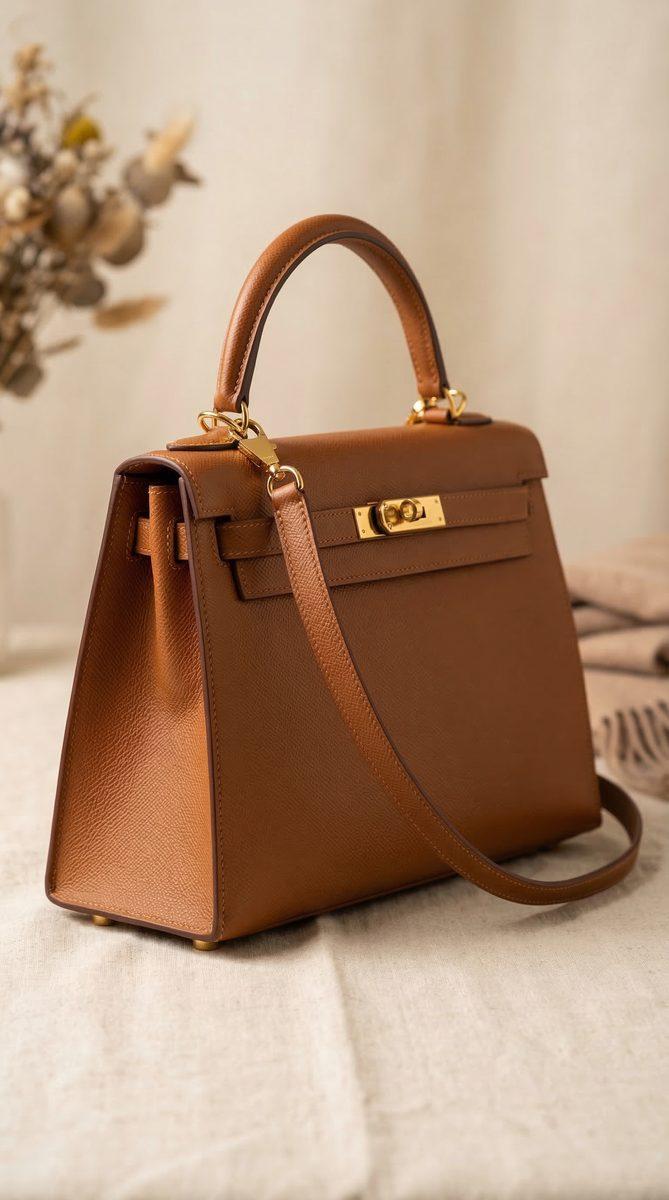
- Real garments and products in, studio-grade images and video out, no physical shoot needed.
- A sample set for sign-off before we run the full collection or catalogue.
- Every frame checked by a creative director for fabric, colour, logo and label accuracy.
- A free four-shot test before you commit to a full project.
What is an AI photoshoot studio, and how is it different from an AI photo tool?
An AI photoshoot studio is a service, not software. You send real garments, products or reference photos to a team; the team casts a model look, builds a lighting and set concept, generates the images and video with frontier image and video models combined with our proprietary workflow and human creative direction, then checks every frame before it reaches you. A self-serve AI photo app does the opposite: it hands you the generation tool and leaves casting, consistency, colour accuracy and quality control to you.
The difference matters most at volume. One or two images from a photo app can look convincing. A 50-piece lookbook or a 100-SKU catalogue needs the same model identity, the same lighting, the same colour calibration and the same level of garment or product accuracy across every single frame, and someone has to catch the shot where a hand renders wrong, a logo drifts, or a fabric pattern breaks. That is a creative director's job, not an app's. Adoption of AI-generated imagery is moving fast regardless of the route brands choose: industry estimates put AI-generated images across roughly 40% of e-commerce apparel listings by the end of 2026.
AI Studio works this way: fashion, product, lifestyle and food brands send us what they already have, and we act as the production team, not the tool. The team, not the model, is what holds a 50-look drop or a 200-SKU catalogue together: a casting sheet is agreed before generation starts, a lighting set-up is locked once and reused, and a creative director's sign-off sits between every batch and delivery rather than being left to the last frame.
What do we produce?
Fashion, on-model. Your own garments, worn by AI-generated models of any ethnicity, age and body type, with one model identity and lighting set-up locked per collection. Lookbooks, campaign and editorial sets, e-commerce PDP images, social crops and virtual try-on frames all come from the same shoot. See our AI fashion photoshoot page for the full process.
Product and e-commerce. Your product is the fixed element; we generate the set, lighting and context around it, checking label text, logo geometry, colour and material finish frame by frame. Works for a 5-SKU launch or a 100-SKU catalogue. Full detail on our AI product photography page.
Lifestyle and food. Contextual scenes, a product in use, a dish styled and lit, built the same way, with the same frame-by-frame quality check. A single lifestyle brief typically covers several settings, on a shelf, in a kitchen, held in hand, from one set of reference photos, so a brand adds context without booking a location or a food stylist for each scene.
Video. Product videos, fashion film, UGC-style ads and AI presenter videos, in language versions scoped to the brief, with human review. Timing for a social or UGC-style spot is scoped to the approved assets and review rounds.
How does a remote AI photoshoot work from the US or UK?
You do not send us samples. You send us photos: flat, ghost-mannequin or on-model garment shots (front and back, even light, no heavy filters), or product reference images, plus a brand book or mood board and your target channels. From there:
- We propose a model casting sheet, look, age range, ethnicity, body type, and a lighting and set concept.
- We produce a short sample set for your sign-off before touching the rest of the collection or catalogue.
- After sample approval, we produce the agreed collection or catalogue in scoped batches. The brief sets batch size, review points and delivery sequence.
- The review checklist covers hands, fabric drape, seams, logos, skin, labels and colour. Any required corrections are handled within the agreed revision scope.
- You receive final, high-resolution files on the usage terms agreed in the engagement.
Because we are based in Singapore, the time zone works in your favour rather than against it: brief us in your evening and you can review the first frames the next morning, whether you are in New York, Los Angeles or London.
How is an AI photoshoot priced?
Pricing is quoted per SKU or per look, not per day. Product images are priced per finished SKU across three tiers, from a clean e-commerce packshot to a full lifestyle scene; fashion and lookbook work is priced per look, from a catalogue-style shot to campaign-grade editorial. There is no studio hire, model day rate or crew cost to fold into the number, because none of those exist in the workflow. AI video sits outside this model and is quoted per project once we understand the script, length and number of variants.
Every quote is a range until the brief is confirmed, and depends on volume, complexity, the number of environments or model variations, and the revision scope agreed upfront. Larger orders generally land at a better per-unit rate once a model look or set-up is established, which is why a five-SKU test order and a 200-SKU catalogue can sit at different points on the same job. Full detail on what moves a project between tiers, quoted in USD or GBP, is on the AI photoshoot pricing page.
Which markets do we serve?
We work remotely with brands across the US, UK, EU, Australia, Singapore and the wider Asia-Pacific region. The output adapts to each market rather than being reused as-is:
- United States. Casting and styling for US audiences, formats sized for Amazon, Shopify and Meta ad specs, and quotes issued in USD. Disclosure has moved fast here: New York's synthetic-performer law, effective June 2026, requires conspicuous disclosure when an ad contains an AI-generated performer that gives the impression of an unidentifiable real human, and Amazon has required sellers since July 2026 to tag photorealistic AI-generated people in listing images or video with a specific metadata keyword. California’s AI Transparency Act adds detection and embedded-provenance duties for covered GenAI providers from August 2026, with an option for visible disclosure. California’s separate synthetic-performer advertising law starts on 1 January 2027. We flag which rule applies to your channel at brief stage. See AI photoshoot services for US brands.
- United Kingdom. UK-specific casting, GBP quotes, and formats built around UK and EU marketplace and advertising norms. The ASA's CAP Code is "media-neutral": AI-generated ads face the same misleading, harm and offence standards as any other ad, with new ASA guidance on AI content and deepfakes published in June 2026. See AI photoshoot services for UK brands.
- EU. Seasonal and language localisation across EU markets, with EU AI Act Article 50 transparency obligations becoming applicable from 2 August 2026: deepfake-style AI content must be labelled even without intent to deceive, and generative AI systems already on the market get until December 2026 for machine-readable content marking.
- Australia. Casting and seasonal calendars flipped for the Southern Hemisphere market, so a campaign built for a US or UK winter release is not simply reused for an Australian summer one.
- Singapore and South-East Asia. Local casting and marketplace formats for the region we are based in, run on the same brief-specific schedule and creative-director QA as every other market.
When is a traditional shoot still the right call?
AI is not always the right tool. Live-action documentary footage, real customer testimonials, and events with a genuine audience still need a camera and a crew. If your brand story depends on a specific real person's face, or on capturing an unscripted moment, a traditional shoot or video crew is the honest answer, not an AI substitute.
For everything else, the trade-off is turnaround, consistency and cost basis, not a compromise in what the image needs to show. Zalando, for example, has reported moving around 70% of its Q4 2024 editorial imagery to AI-generated model images built from digital twins of real models, cutting turnaround from six to eight weeks down to three to four days. That kind of shift makes sense at catalogue scale; it says nothing about whether your next hero campaign needs a real photographer in the room.
There is also a trust cost worth weighing alongside speed and price. Survey data from 2026 shows only 45% of Gen Z and Millennial consumers feel positive about AI-generated ads, against 82% of ad executives who believe they do, and more than half say they would stop buying from a brand after an experience that felt inauthentic. That does not rule out AI imagery for your brand; it means the call belongs with your marketing team, weighed against the specific campaign, not decided by price alone.
| Factor | AI photoshoot studio | DIY AI photo tool | Traditional shoot |
|---|---|---|---|
| Turnaround | Sample and collection timing is scoped to the brief | Minutes per image, but consistency work is on you | Days to weeks, including booking and post-production |
| Cost basis | Priced per SKU or per look | Monthly subscription or per-credit | Priced per day: studio, photographer, model, styling |
| Consistency at volume | One model identity and lighting set-up locked and checked across the run | Depends on your own prompting and editing | Consistent, but constrained by the model and crew's availability |
| Garment/product fidelity | Checked frame by frame by a creative director; drift is regenerated | No dedicated quality check | Physically accurate by default |
| Rights | Delivered on the usage terms in your engagement | Set by the tool's own terms of service | Negotiated with photographer and model or agency |
| Who does the QA | Human review against the agreed quality checklist | You | Photographer and retoucher |
Frequently asked questions
How is an AI photoshoot different from a stock photo or template?
An AI photoshoot uses your own garments or products as the fixed reference, not a generic stock image. We generate the model, set and lighting around what you send us, so every image shows your actual product, not a lookalike. Stock photography and templates were never built around your specific SKU or garment.
Do you use real models or clone real people?
We generate AI models rather than reuse or clone a real person's identity without consent. Ethnicity, age and body type are set by your casting brief, and one identity is locked for consistency across a collection. We do not repurpose your garments or products for another brand's project.
What do I need to send to get started?
Flat, ghost-mannequin or on-model photos of your garment, front and back, even light, no heavy filters, or clear reference shots of your product, plus a brand book or mood board and your target channels. From that we propose a model or set concept and produce a sample set for your sign-off.
How fast can I get sample images back?
A short sample set typically comes back within days of an approved brief, so you can sign off on the model look and lighting before we run the full collection or catalogue. The brief sets batch size, review points and delivery sequence for the full collection or catalogue.
Can I try this before committing to a full project?
Yes. We offer a free four-shot test: send one product or one outfit and receive four sample frames free, before you commit to a full project or any paid engagement, large or small, so you can judge the model look and quality first.
What happens if an image doesn't look right?
Any frame that shows a rendering problem, a wrong hand, a warped logo, an inaccurate colour, is regenerated, not patched or retouched over the fault. Our creative director checks every frame before delivery, so revision rounds are agreed upfront in the brief rather than left open-ended.
Do you work with brands outside Singapore?
Yes. AI Studio is based in Singapore and works remotely with fashion and product brands across the US, UK, EU, Australia and South-East Asia. Time zones work in your favour: brief us in your evening and review the first frames the next morning.
Is AI-generated imagery legal to use in advertising?
Yes, but disclosure rules vary by market and are tightening through 2026 in the US, UK and EU. We flag where platform or regulatory labelling applies to your project, and you stay in control of what is disclosed and how, based on where your ads run.