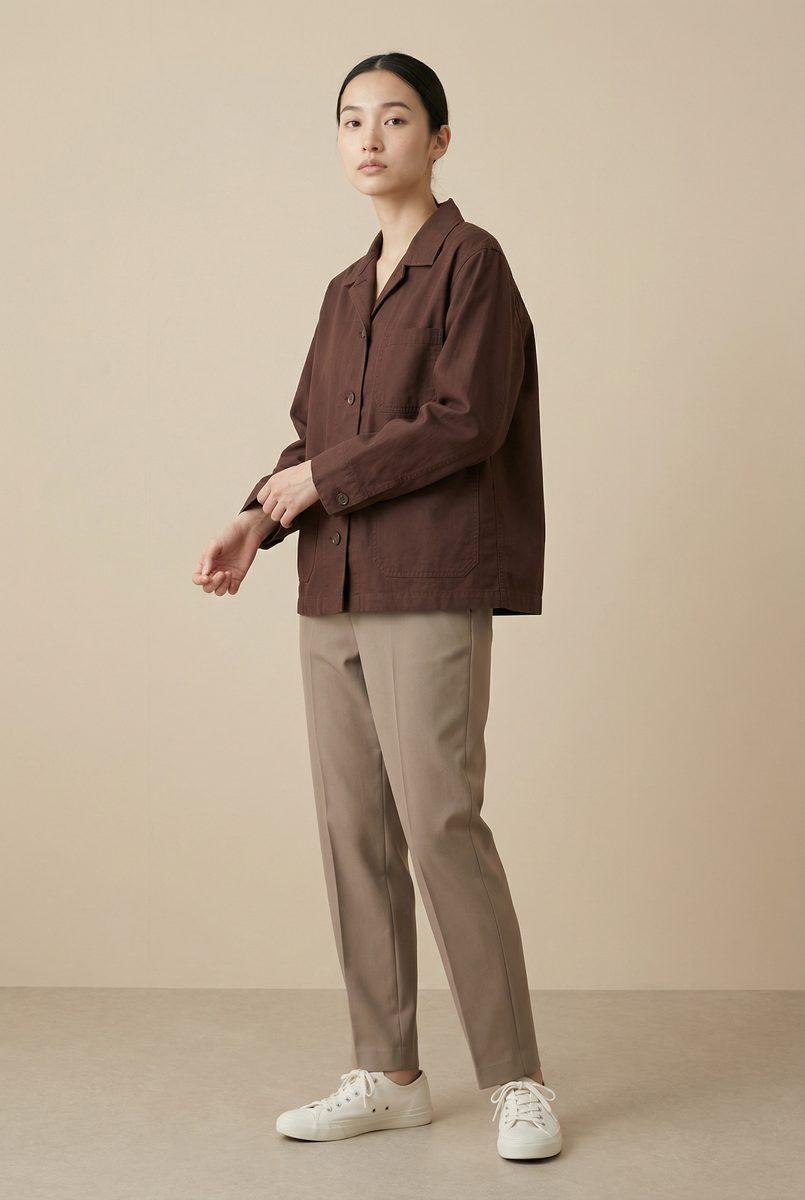
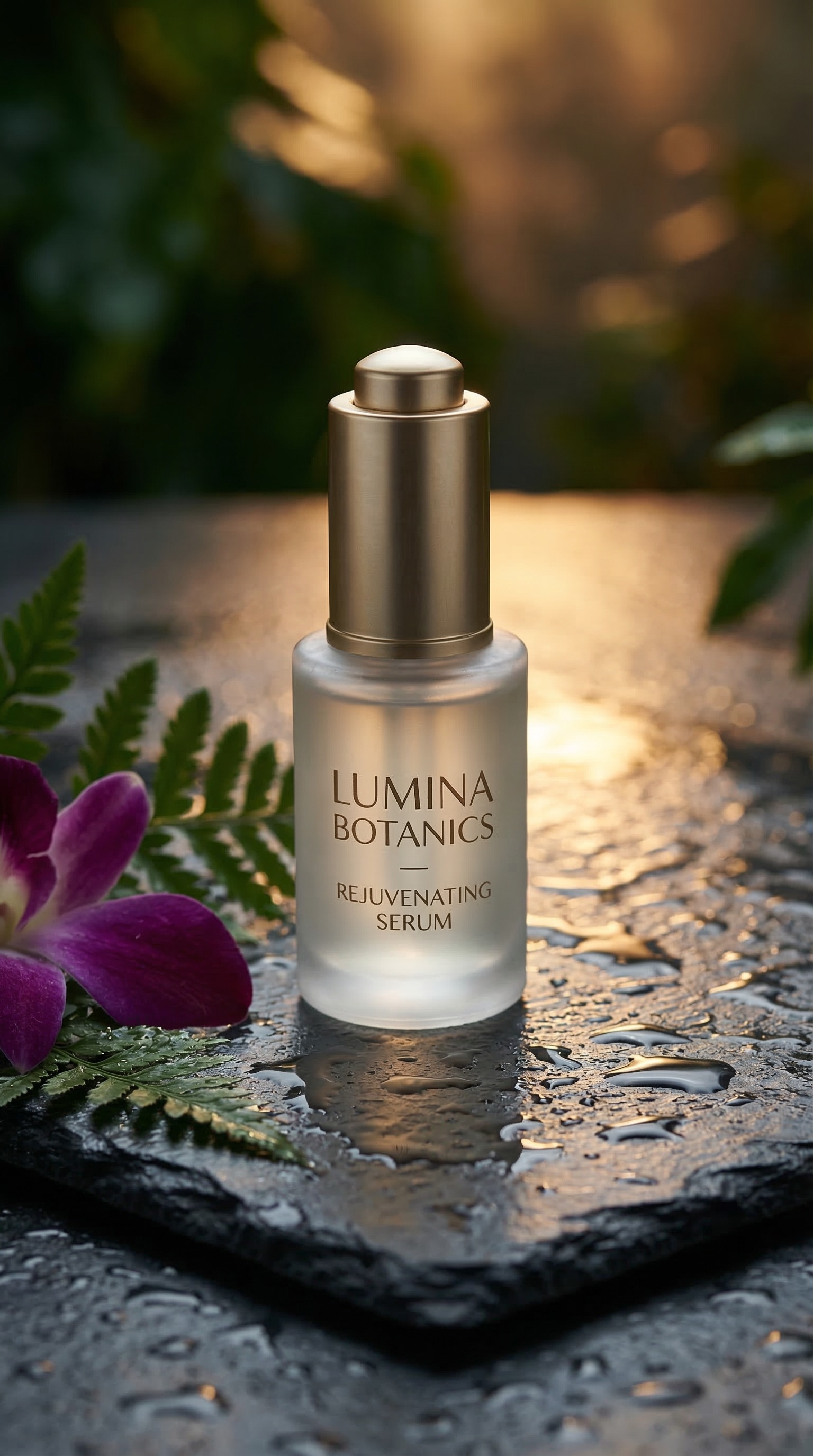


- AI Studio pairs generative tools with human creative direction; timing is scoped to assets, markets and review steps.
- Self-serve tools price by subscription or credits; studios like AI Studio price per SKU or per look.
- Garment and product fidelity depends on human QA, not just the underlying model.
- Check disclosure rules for your markets before you launch AI-generated imagery.
Nine services can produce AI-generated photography for a fashion or product brand in 2026, but they are not interchangeable. AI Studio is a studio: a human creative director directs, checks and signs off every frame, and delivery is scoped to the collection or catalogue, assets and review steps. The other eight are self-serve tools and one hybrid real-shoot service, priced by subscription, credit pack or per clip, where review sits with your own team. This guide compares all nine on the criteria that actually affect a finished set: output quality, garment and product fidelity, human QA, turnaround, pricing model, rights and the markets each one serves. None of the assessments below are based on marketing copy alone: every pricing figure and platform description is drawn from the provider's own site, and hedged as such.
How we assessed these services
We looked at each service against seven criteria that change the outcome for a fashion or product brand, not just the claims on its homepage.
- Output quality and consistency — does every frame in a set look like it belongs to the same shoot, or does quality drift across a batch?
- Garment or product fidelity — does the AI keep the actual garment, print, logo or product accurate, or does it drift toward something generic?
- Human QA — is a person checking frames for hands, fabric drape, seams, labels and colour before delivery, or is review left entirely to the brand?
- Turnaround — how long from brief to usable files, for a realistic batch size rather than a single test image?
- Pricing model — is pricing per SKU or per look, a monthly subscription, a credit pack, or quoted per project?
- Rights — what usage rights come with the delivered files, and who owns the output?
- Markets served — does the provider work with brands in the US and UK specifically, or is it built for one region?
The best AI photoshoot services for fashion and product brands in 2026
AI Studio is listed first as the one AI-native studio in this set. The rest are self-serve tools, plus one hybrid real-shoot service, listed in no particular order and described only using facts published on each provider's own site.
AI Studio
AI Studio is an AI-native creative studio, not a self-serve app. A creative director briefs every collection or SKU set, checks every frame for hands, fabric drape, seams, logos, labels and colour accuracy, and regenerates anything that drifts rather than patching it. The team scopes the schedule to the collection or catalogue, source assets, markets and approval rounds for brands in the US, UK and elsewhere. Product images are priced per SKU, from basic e-commerce packshots to premium lifestyle scenes, and fashion looks are priced per look, from catalogue-style lookbook shots to campaign-grade editorial, rather than by monthly subscription or credit pack. See how each process works in AI fashion photoshoot and AI product photography. Brands can test the fit first with a free four-shot sample before committing to a full run. The trade-off against a self-serve tool: you brief a team rather than clicking through a dashboard yourself, and turnaround is measured in hours rather than minutes for a single image.
Botika
Botika turns flat-lay garment photos into on-model fashion images, with a retouching workflow built for brands that want to replace some real model photoshoots. According to its pricing page, plans run from a Lite tier at roughly $22 a month for a small credit allowance up to around $230 a month for higher-volume plans, plus Enterprise and API options. It suits fashion brands with a steady flow of flat-lay product photography who want on-model imagery without booking a studio. The limitation: like most subscription tools, output review and revisions are the brand's own responsibility rather than a built-in creative-director pass.
Lalaland.ai
Lalaland.ai generates AI fashion models across a range of body types, skin tones and ages for catalogue-scale on-model imagery, and is now part of Browzwear's 3D fashion suite. According to available information on the company, its Business tier covers up to roughly 50 renders a month, with Enterprise pricing from around €900 a month plus a per-extra-user fee. It suits large fashion retailers wanting diverse casting at scale across many SKUs. The limitation: enterprise-level pricing and integration with a 3D suite point to a tool built for bigger retail teams rather than a single small brand.
WeShop AI
WeShop AI covers virtual try-on, AI fashion-model generation, product photography and pose or mannequin swaps in one platform. According to its listing, plans range from a free tier through Pro at $9.99 a month and Ultra at $45 a month, up to Enterprise from $457 a month. It suits fashion e-commerce sellers who want try-on and model generation bundled into a single low-cost subscription. The limitation: as a multi-purpose app rather than a fashion-only workflow, output consistency across a full collection depends on how carefully the brand manages its own prompts and references.
Flair.ai
Flair.ai offers AI product photography, on-model imagery, product video and ad-creative generation, plus custom AI model training, and its vendor cites brands including SHEIN, Samsonite and Bonobos as users. According to its pricing page, plans run from Free through Pro at $8 a month, Pro+ at $26 a month and Scale at $38 a month, with custom Enterprise pricing above that. It suits brands that want a single tool covering stills and ad creative at a low monthly cost. The limitation: quality and consistency at this price point rely on the brand's own prompting and checks, since there is no third-party creative-director review built in.
Photoroom
Photoroom is a general product-photo editor: background removal and replacement, AI fashion models and AI video, aimed at sellers who want to edit their own photos rather than commission a shoot. According to its pricing, plans run from Free through Pro at $7.50 a month, Max at $20.99 a month and Ultra from $82.50 a month, with custom Enterprise pricing above that. It suits small-to-mid sellers already comfortable editing their own product shots. The limitation: it is an editing and generation app, not a directed photoshoot, so brand consistency across a large catalogue is down to the user's own workflow.
Claid.ai
Claid.ai is an API-first platform for image enhancement, background generation and on-model fashion outputs, built for teams that want to plug AI photography into their own systems. According to its pricing page, web plans run roughly $9–49 a month, with API pricing from $59 per 1,000 credits and custom Enterprise terms above that. It suits e-commerce teams, marketplaces and developers who want to build AI imagery into an existing catalogue pipeline rather than order finished sets. The limitation: it is built for technical integration, so brands without development resources may find it a harder fit than a finished-image service.
Caspa AI
Caspa AI generates product photos with AI human or animal models and custom backgrounds, plus upscaling, aimed at DTC and Shopify sellers. According to its pricing page, it runs on monthly subscription tiers that scale with generation volume, from an entry-level plan up through higher-volume business tiers. It suits smaller e-commerce brands wanting model imagery without booking a photoshoot. The limitation: as with other credit-based tools, image consistency across a full product range depends on how carefully the brand manages prompts, references and its own review of each output.
Soona
Soona is different from the rest of this list: it runs real photo and video shoots with AI-assisted editing, rather than generating images from scratch. According to its pricing page, it charges per photo and per video clip, plus a flat studio-pass booking fee, with an average project spend in the hundreds of dollars. It suits DTC and CPG brands that want authentic human-shot content produced quickly rather than fully AI-generated imagery. The limitation: because real product samples still have to reach a studio, it does not offer the remote, ship-nothing workflow that AI-native services provide.
Studio or self-serve tool: how do you choose?
The nine services above split into two real categories. AI Studio is a studio: a human creative director briefs, checks and signs off every frame, and pricing is per SKU or per look rather than a subscription. The other eight are self-serve tools, or in Soona's case a hybrid real-shoot service, where you upload photos, pick a style or model, and generate or book images yourself, with quality control sitting mostly with your own team. Neither approach is automatically right. A subscription tool suits a brand with in-house design capacity, a smaller catalogue, and time to review its own output. A studio suits a brand that wants a finished, QA'd set without managing prompts, credits or revisions in-house, particularly for a fashion drop or product range where garment and colour accuracy carries real cost if it goes wrong. See AI photoshoot pricing for how per-SKU and per-look pricing compares with a subscription across a full catalogue or collection, or the wider AI photoshoot studio overview for how a remote studio workflow runs end to end.
| Provider | Type | Best for | Pricing model | Human QA |
|---|---|---|---|---|
| AI Studio | AI-native studio | Fashion and product brands wanting a finished, QA'd set | Per SKU / per look | Creative director on every frame |
| Botika | Self-serve app | Fashion brands replacing some real model shoots | Monthly subscription | Brand's own review |
| Lalaland.ai | Self-serve app | Large fashion retailers needing diverse casting at scale | Business / Enterprise subscription | Brand's own review |
| WeShop AI | Self-serve app | Fashion e-commerce sellers wanting try-on plus model generation | Free / monthly subscription | Brand's own review |
| Flair.ai | Self-serve app | Brands wanting stills and ad creative in one tool | Free / monthly subscription | Brand's own review |
| Photoroom | Self-serve app | Sellers editing their own product photos | Free / monthly subscription | Brand's own review |
| Claid.ai | Self-serve API | Developers and marketplaces building AI imagery into a pipeline | Subscription / API credits | Brand's own review |
| Caspa AI | Self-serve app | DTC and Shopify sellers wanting model imagery on a budget | Monthly subscription | Brand's own review |
| Soona | Hybrid studio | DTC/CPG brands wanting authentic human-shot content, fast | Per photo / per clip / booking fee | Human photographer plus AI-assisted editing |
What should buyers check on disclosure and rights before choosing a provider?
Whichever service you pick, disclosure rules for AI-generated imagery are tightening, and the responsibility usually sits with the brand rather than the tool. From July 2026, Amazon requires sellers to tag photorealistic AI-generated people in listing images and video with an IPTC metadata keyword, a rule it adopted after New York State's own disclosure law for AI "synthetic performers" in advertising took effect the previous month. Real people who have simply been edited with AI, and non-photorealistic content, are exempt from Amazon's rule, but the direction of travel is clear: platforms are asking sellers to say when a person in an image is not real.
TikTok requires creators to label realistic AI-generated content, and its advertising policies require disclosure of fully AI-generated or significantly AI-edited content. It began rolling out automatic labels based on attached C2PA Content Credentials in May 2024. Meta applies AI information labels to qualifying AI-generated or significantly AI-edited ads, with treatment depending on the content and available signals. Brands selling into the EU should also expect their own transparency obligations for AI-generated content to tighten as the EU AI Act's rules take effect through 2026. None of this makes AI photography unusable. It means brands should ask each provider, including AI Studio, how usage rights are defined in the engagement, whether the provider will flag platform-labelling obligations, and whether the brand or the provider applies any required tag. Get that in writing before the first delivery, not after a listing goes live.
Frequently asked questions
What's the difference between an AI photoshoot studio and a self-serve AI photo tool?
A studio, like AI Studio, briefs and checks every frame with a human creative director and delivers a finished, ready-to-use set. A self-serve tool gives you a dashboard, credits and templates, but you generate and review the images yourself. Studios suit brands wanting a finished set with QA built in; tools suit brands with in-house design capacity and time to review their own output.
Do any of these services replace a real photoshoot completely?
Not always. Soona, for example, still runs a real photo or video shoot with AI-assisted editing rather than generating images from nothing. Purely AI-generated services can replace many product and fashion shots, but items with unusual textures, motion, or a brand's own live models may still need some real photography alongside AI for volume and speed.
How is pricing different between a studio and a subscription app?
Studios like AI Studio typically price per SKU or per look, so cost scales with the images you actually need. Subscription apps charge a flat monthly fee or a credit pack regardless of how many usable images you end up with, which can suit high-volume, DIY workflows but makes cost less predictable per finished image.
Can I test a provider before committing to a full catalogue or collection?
Most subscription tools let you try a free tier or a trial credit pack before upgrading. AI Studio offers a free four-shot test: send one product or one outfit and get four sample frames back before you commit to a full run, so you can judge fidelity and style fit at no cost.
Do I need to disclose that my product images are AI-generated?
It depends on where you sell. Amazon has required sellers to tag photorealistic AI-generated people in listings since July 2026, following New York State's own disclosure law for advertising. TikTok requires creators to label realistic AI-generated content, and its advertising policies require disclosure of fully AI-generated or significantly AI-edited content. It began rolling out automatic labels based on attached C2PA Content Credentials in May 2024. Meta applies AI information labels to qualifying AI-generated or significantly AI-edited ads, with treatment depending on the content and available signals. Check each platform's current policy before launch, since rules are still tightening.
Which of these services works best for a large product catalogue?
It depends on volume and budget. Claid.ai's API and credit-based pricing suit large, developer-managed catalogues. AI Studio batches 100-plus-SKU catalogues with the same per-frame creative-director check on every image and returns an agreed sample batch for sign-off on a schedule set in the brief, which suits brands wanting QA without managing the pipeline themselves.
Are AI fashion models on this list real people?
No. Every service on this list, aside from Soona's real photo shoots, generates fashion models rather than photographing real people. Lalaland.ai and WeShop AI, for example, generate models across a range of body types, skin tones and ages, according to their own websites, rather than using or cloning any specific real person.
What rights do I get to the images a service produces?
This varies by provider and should be confirmed before you start. AI Studio delivers files for the brand's commercial use across web, marketplaces, social and paid media on the terms set out in the engagement. For any subscription tool, check its terms of service for what you can do with generated images and whether that changes if you cancel.