Quick answer: Fashion brands scale with AI photography by generating one garment reference onto many models, body types and market-specific settings, then shipping e-commerce, lookbook and social imagery in about two weeks instead of two months. AI Studio runs this as a managed service; keep a real shoot for hero campaign images where emotional depth matters most.
- AI photography lets fashion brands scale global content. It shows genuine model diversity across body types, skin tones, and ages.
- A single garment reference can become market-specific imagery for the US, UK, Australia, and beyond.
- It supports the full range of fashion shot types, from e-commerce and lookbooks to seasonal and campaign imagery.
- Seasonal refreshes and social content become continuous. They are no longer limited by shoot schedules.
- A clear workflow and best practices keep output consistent and on-brand at scale.
Why is fashion photography so hard to scale?
Fashion brands face a unique challenge: model diversity. Say you want to show your clothing on different body types, skin tones, and ages. Traditional photography means booking multiple models. It also means running multiple shoot days and managing different stylists for each look.
For a global fashion brand selling to the US, UK, Australia, and Asia, this gets much harder. You need different models for different markets. You need seasonal variations too. You also need lookbooks, social content, and campaign imagery. All of it must be shot on diverse models in different settings.
Traditional approach: book a roster of models, run multiple shoot days per season, commit a five-figure budget, and wait around eight weeks for final imagery.
AI approach: Generate unlimited model variations in hours, at a fraction of the budget, and ship in about a week through a managed AI photoshoot in Singapore.
This guide shows how fashion brands use AI photography to scale content around the world. It covers full model diversity and localisation.
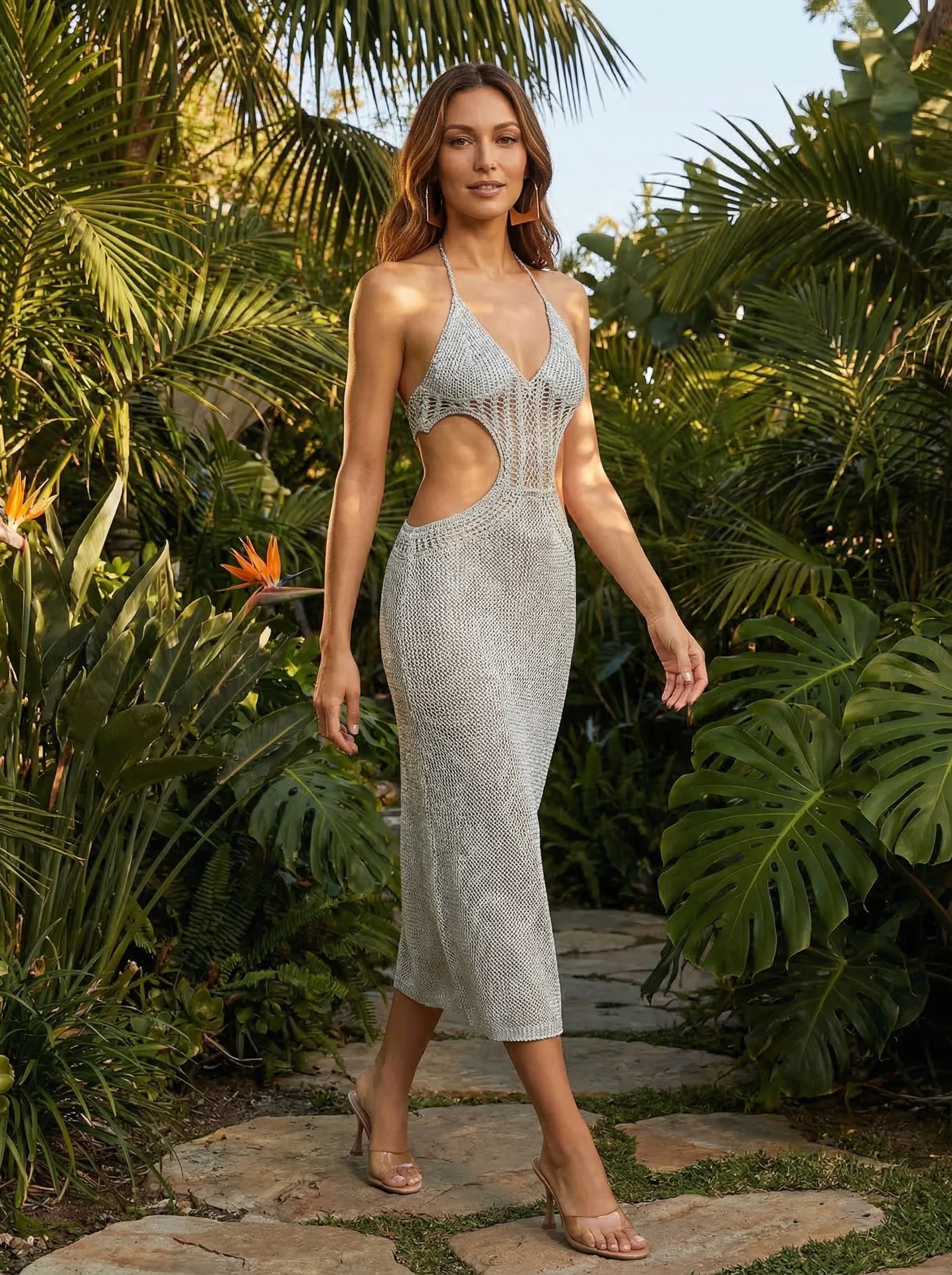
The Model Diversity Advantage: Why AI Changes Fashion Photography
Traditional fashion photography has a diversity problem. Models are expensive to book, and not every model fits the body type you need. Diversity hiring matters, but it costs a lot. You pay for 5–10 models when you might use only 2–3.
AI solves this with perfect diversity at zero extra cost. Our AI fashion photography service makes this possible for brands of any size.
With a single product, you can generate it on:
- 10 different body types (XS–3XL).
- 6–8 different skin tones.
- Multiple age ranges (20s, 30s, 40s, 50s+).
- Different hair types and styles.
- Different ability representations.
- Different gender expressions.
All in the same photoshoot. Same product, infinite variations.
Business impact: In what we have seen, brands that show the same garment on a range of body types and skin tones tend to earn higher social engagement and convert better in diverse markets. Shoppers who can see themselves in the imagery also stay loyal longer. Treat any vendor's exact uplift figure with caution; test it on your own catalogue.
For global fashion brands, this is a competitive advantage. It's not because diversity is trendy. It's because it drives real business results.
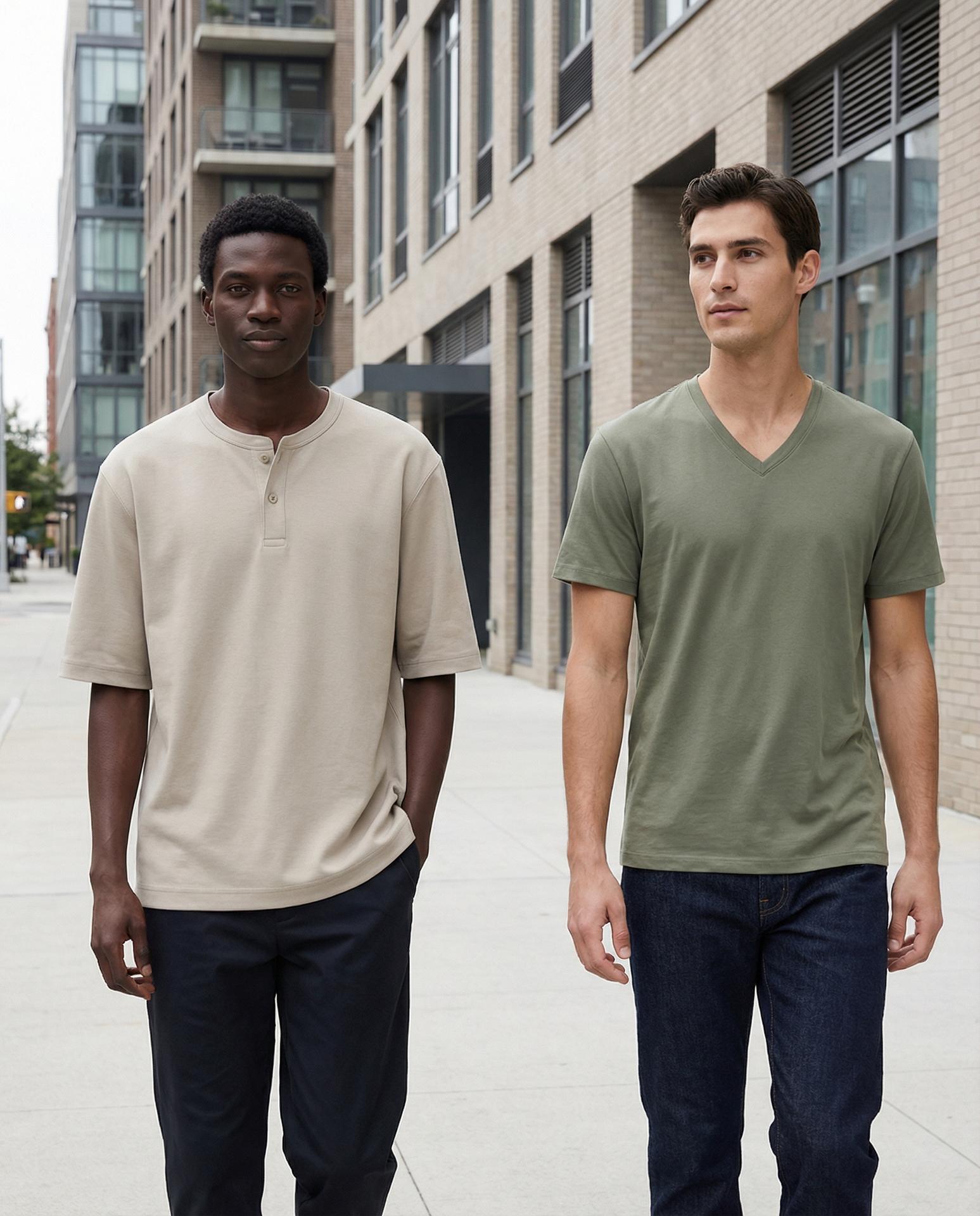
How do fashion brands localise AI photography for each market?
Why Localisation Matters
A dress shot on a size-2 model with long blonde hair works in US fashion marketing. The same dress on size-6 models with diverse hair and skin tones lands differently in Australia, the UK, and Asia.
Global fashion brands used to solve this by shooting many times with regional models. The cost added up fast.
AI solution: use the same product, and generate regional variations once.
US Market Optimisation
Model preference: Size diversity is critical. US audiences expect to see products on multiple body types. Age range: 20s–50s. Skin tone: all.
AI strategy: Generate the same product on models from XS–2XL, ages 20–50, and multiple ethnicities. Social media does best with lifestyle context and diverse body representation.
UK Market Optimisation
Model preference: Slightly more editorial/fashion-forward styling. Age: 20s–40s. British aesthetic (subtler makeup, natural styling).
AI strategy: Generate with a slightly elevated editorial direction, and specify British styling cues. Keep bodies diverse, but use an editorial look rather than lifestyle.
Australia Market Optimisation
Model preference: Outdoor/lifestyle context. Sporty aesthetic. Sun-kissed, natural look. Body diversity important.
AI strategy: Generate lifestyle photos in outdoor settings, such as a beach, park, or casual setting. Aim for a natural, sun-kissed look, with size diversity across multiple body types.
Singapore and Asia-Pacific
Model preference: Diverse Asian representation matters here. Mix of body types. Lifestyle and product context.
AI strategy: Generate with a focus on East and Southeast Asian representation, using a range of body types. Mix lifestyle and clean product shots to cater to specific markets within Asia.
Types of AI Photography for Fashion Brands
1. Product Photography (Clean Background)
Clothing on models against a clean background. This is the standard for e-commerce, lookbooks, and social feeds.
AI capability: Excellent. AI can show clothing on diverse models in a consistent, clean studio setup.
Use case: e-commerce product pages, lookbooks, Instagram feed, Pinterest.
2. Lifestyle Photography
Clothing shown in real-world settings. A person wears the outfit in a café, on the street, at home, or outdoors.
AI capability: Strong and improving. AI can generate realistic lifestyle scenes with clothing.
Advantage: Show the same outfit in 10 different locations and body types. You need no location shoots and no model coordination.
3. Lookbooks and Styling Stories
Multiple pieces styled together, showing how to wear items. Read our complete guide to AI lookbooks for a deep dive, or view real client examples in our fashion portfolio.
AI capability: Very strong. AI can generate multiple outfits on multiple models, in multiple settings.
Use case: Brand lookbooks, seasonal campaigns, Instagram carousel posts, TikTok content.
4. Campaign and Editorial Photography
This is high-end, narrative-driven imagery for brand campaigns.
AI capability: Good for conceptual work, and very good for volume. For ultra-luxury editorial work, traditional photography may still win on emotional depth.
Hybrid approach: Use AI for supporting campaign imagery and social content. Save traditional photography for hero campaign shots, if your budget allows.
5. Size Range Photography
The same item photographed in XS–3XL to show fit across the size range.
AI capability: Perfect. Show the same clothing in every size, on body types that match each size.
Use case: E-commerce product pages, fit guides, Instagram carousel posts.
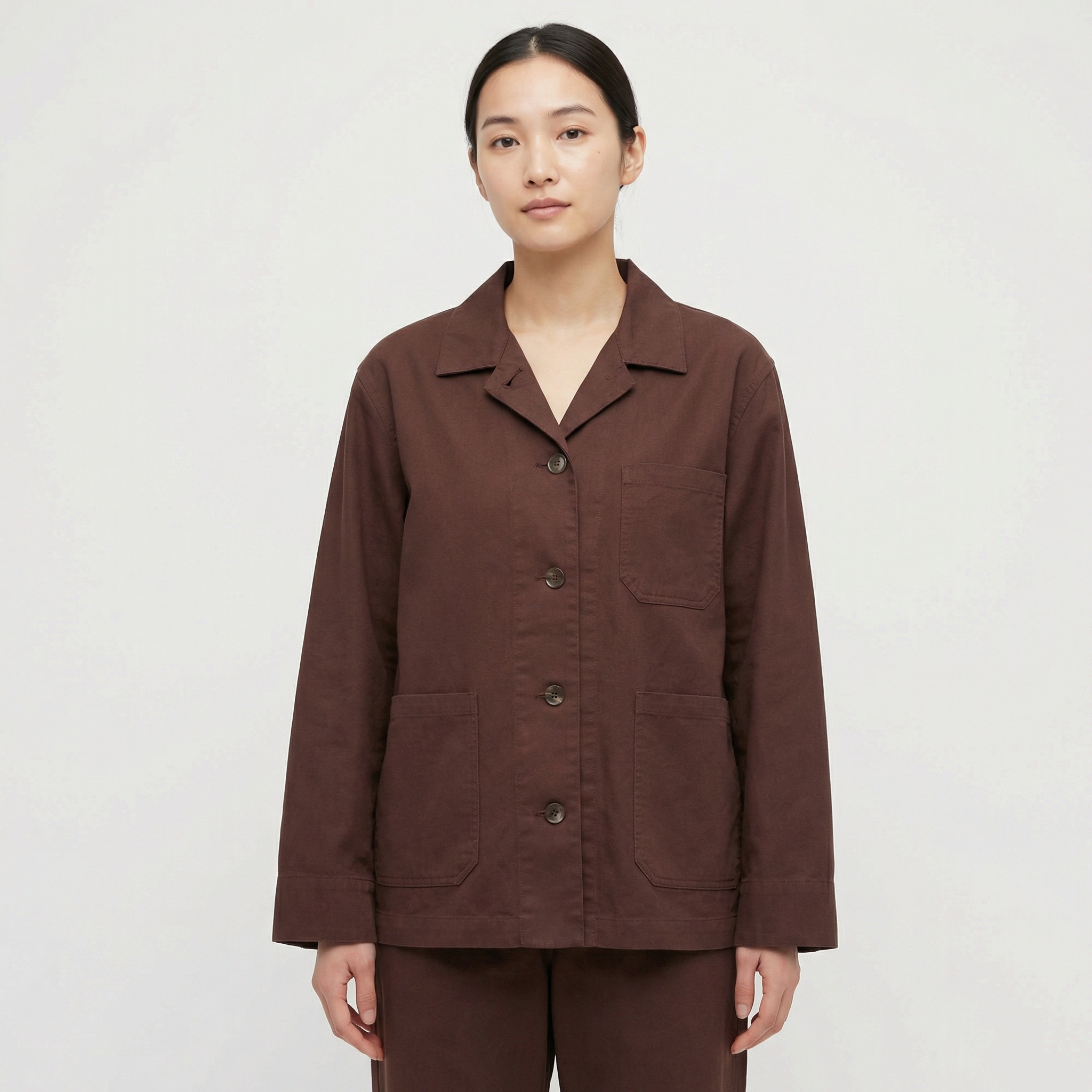
Want to see AI photography in action?
Book a free demo — we'll generate sample images from your actual products.
Book a Free DemoWhat does an AI photography workflow look like for a fashion brand?
Week 1: Creative Direction
You brief your AI team on look, brand guidelines, target markets, and model diversity needs. For a collection of 30 pieces, you say how each piece should be styled and shot.
Week 1–2: Test Generation
The AI team generates 2–3 variations per piece. It tries different models, angles, and settings. You review the results and give feedback. For example, you might say "make the background more lifestyle," "add more size diversity," or "use different styling for the UK market."
Week 2: Full Generation
Once the direction is locked, AI generates the full scope. That means all 30 pieces, 5+ variations per piece, multiple body types, and multiple markets. The result: 150–200 finished images in 48 hours.
Week 2–3: Curation and Platform Optimisation
Your team picks the best variations. It then tailors them for each platform, such as Instagram, TikTok, website, or lookbook, and organises them for delivery.
Total timeline: 10–14 days from brief to delivery.
Compare that to the traditional route: 8–12 weeks. That covers planning, model booking, shoot days, post-production, and retouching.
How a 50-piece e-commerce launch compares
For a larger e-commerce drop the gap widens, because every extra market or size variation adds shoot days to a traditional plan but only generation time to an AI one. The timelines below reflect what we have typically seen; exact figures depend on the brief.
| Stage (50-piece collection) | Traditional shoot | AI photography |
|---|---|---|
| Planning and creative direction | About 2 weeks | About 1 week |
| Booking models, locations, stylists | About 3 weeks | Not needed |
| Shoot or generation | Several shoot days | 2–3 days |
| Post-production and QC | About 4 weeks | 2–3 days |
| Market-specific variations | Add another 2–3 weeks | 1–2 days |
| Typical total | 3–5 months | 1–2 weeks |
| Cost | Scales with every model, day and market | Typically a fraction of the traditional budget |
The takeaway: AI compresses the calendar and lets you afford more variations, which is exactly what an e-commerce catalogue with many sizes and markets needs.
Illustrative scenario: a multi-market seasonal launch
Picture a fashion label selling in the US, UK, Australia and Singapore that needs a 25-piece lookbook for a seasonal drop. The traditional route means several shoot days with different models per market, so model fees alone run into five figures before locations and retouching. The AI route generates all 25 pieces with regional model diversity in one project, typically on a 10-day timeline and at a fraction of the traditional budget. The launch lands about two weeks earlier, with variations tuned per market and complete model diversity.
AI Fashion Photography Best Practices
1. Invest in Strong Creative Direction
The better your brief, the better your results. For fashion specifically, specify:
- Styling details (tucked, oversized, fitted, etc.).
- Aesthetic (editorial, commercial, lifestyle, luxury).
- Lighting preference (bright, moody, natural, studio).
- Background context (if lifestyle).
- Model diversity requirements (body types, skin tones, age range).
- Regional variations needed (different styling for different markets).
2. Plan for Market-Specific Variations
Generate once, then customise by market. Use one product, with a different model presentation for the US, UK, Australia, and Asia. You get maximum mileage from the same generation run.
3. Leverage AI for Social Content at Scale
Generate 20 variations of the same outfit. Create 50 Instagram carousel posts from 5 pieces. Make TikTok videos that show different body types styling the same piece.
A traditional budget could never cover this. An AI budget can, and for very little.
4. Use AI for Seasonal Testing
Before you invest in a traditional shoot for a seasonal campaign, generate 100 variations of the proposed collection. Test engagement on social media first. Prove the creative works before you commit to costly production.
5. Combine with Traditional Photography Strategically
Best practice: Use AI for 80% of content volume. That covers product photography, social content, lookbooks, and editorial supporting material. Use traditional photography for the other 20%: hero campaign shots, brand narrative, and luxury positioning.
This hybrid approach gives you the widest reach while keeping your brand voice authentic.
How do you keep brand consistency with AI photography?
A common concern: "Will AI make all my products look generic?"
The answer is no, as long as you work with experienced providers.
Brand consistency factors:
- Colour accuracy: Clothing colours must match physical samples exactly.
- Fabric texture: AI should preserve visible texture details (cotton weave, wool nub, silk sheen).
- Construction details: Seams, stitching, hardware, and collars all rendered accurately.
- Fit visualization: How clothing fits the body should look natural, not distorted.
- Styling consistency: All pieces should look like they belong to the same brand.
An expert AI photography provider will lock in these details during early creative rounds. By the time you reach full generation, every image reflects your brand look.
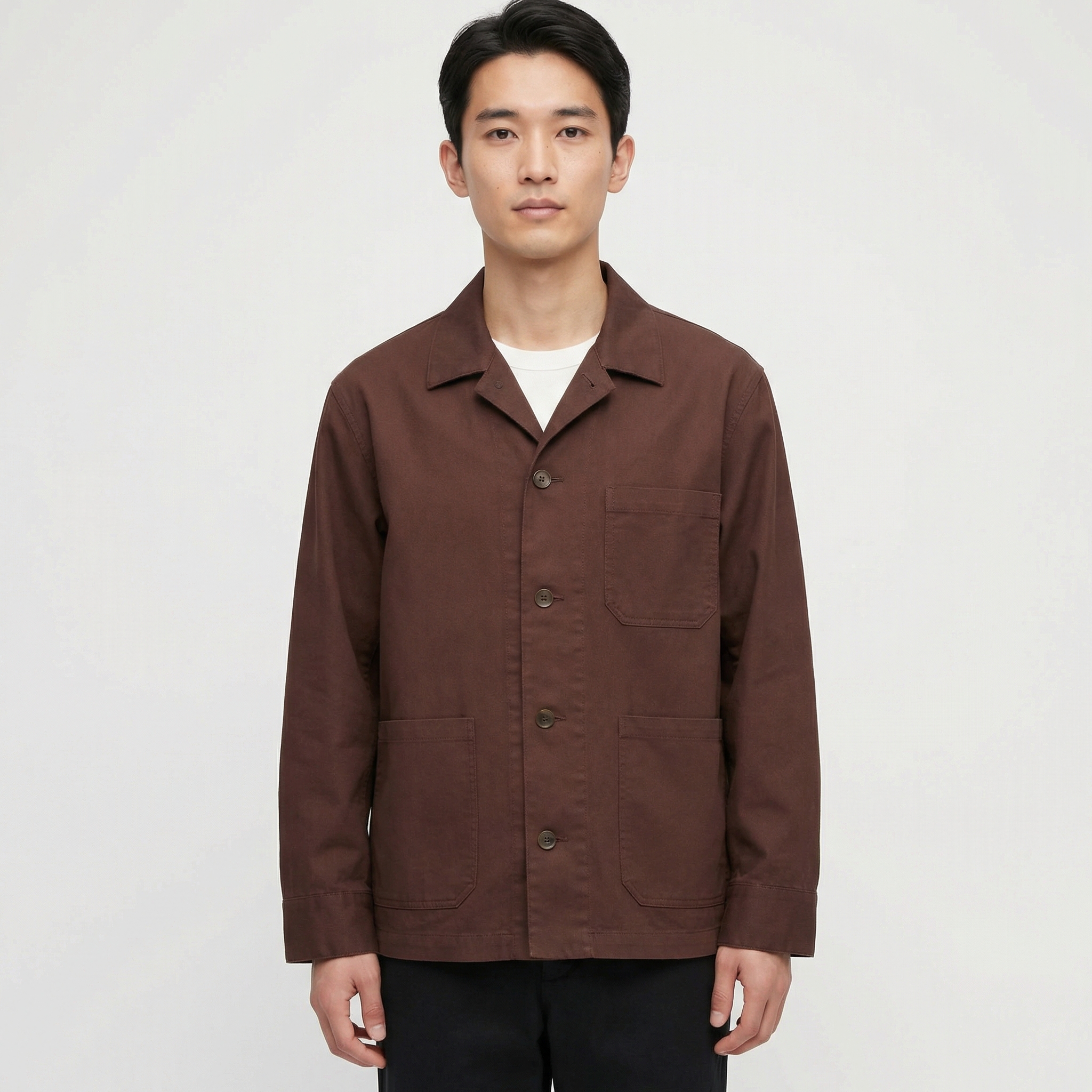
The Future of AI Fashion Photography
2026–2027 outlook:
Video lookbooks: AI video generation will produce short video lookbooks that show multiple outfits in sequence. Expect this to be a standard deliverable within 18 months.
Real-time personalisation: AI will personalise product photography for each shopper. It will show clothing on models they prefer, in settings that match their taste.
Virtual try-on integration: AI-generated images will feed into AR/VR try-on experiences. Customers will see clothing on themselves virtually, based on AI imagery. Today's consumer apps are not yet photoshoot grade, as our review of AI fashion try-on tools and their limits shows.
Hyper-localisation: Brands will generate different product imagery for different cities, regions, and even neighbourhoods. Each set will be tuned to local looks and preferences.
When should fashion brands use AI vs traditional photography?
| Use Case | Recommend AI | Recommend Traditional |
|---|---|---|
| E-commerce product photography | Yes | Unless ultra-luxury |
| Lookbooks and styling guides | Yes | Unless editorial flagship |
| Social media content (Instagram, TikTok) | Yes | Optional for hero content |
| Brand campaign hero imagery | No, support only | Yes |
| Size range photography | Yes | No |
| Regional localisation | Yes | No |
| Model diversity | Yes | No |
| Fast seasonal launches | Yes | No |
Conclusion: AI photography is how fashion content scales
For global fashion brands, AI photography is no longer optional. It's a competitive necessity.
The brands winning in 2026 are the ones that:
- Use AI to generate diverse, inclusive content at scale.
- Localise content for different markets at the same time.
- Move from "shoot quarterly" to "iterate continuously."
- Test creative variations with minimal investment.
- Maintain brand consistency while achieving unlimited model diversity.
AI doesn't replace the creative vision of fashion brands. It amplifies it. A great creative brief produces great results. A vague brief produces mediocre results, just like with traditional photography.
The difference: with AI, you can iterate until it's perfect, and you can afford to.
Ready to Scale Your Fashion Content Globally?
We help fashion brands generate diverse, localised collections at scale. Let's explore what's possible for your brand.
Schedule Your ConsultationFrequently Asked Questions
Can AI create diverse fashion models?
Yes. AI can generate clothing on models of any body type (XS–3XL), skin tone, age range, and ability representation. All in the same photoshoot with no additional cost. This is one of AI's greatest advantages for fashion brands seeking authentic diversity.
How do fashion brands use AI photography?
Fashion brands use AI for: e-commerce product photography, lookbooks, social media content, seasonal collections, size range photography, and regional localisation. AI generates multiple variations per piece (different body types, different markets, different styling) in days instead of weeks.
Is AI photography suitable for luxury fashion?
For core product photography and social content: yes. For ultra-luxury brand positioning and editorial campaigns: consider hybrid approach (AI for supporting content, traditional for hero campaign imagery). AI quality is high enough for luxury e-commerce and lookbooks, but emotional narrative may benefit from traditional photography.
How do I maintain brand consistency with AI?
Work with experienced AI providers who lock in brand colour accuracy, fabric texture details, fit visualisation, and styling consistency in early creative rounds. A strong creative brief and expert provider ensure every image reflects your brand aesthetic, not generic AI output.
How much faster and cheaper is AI fashion photography than a traditional shoot?
For a 50-piece e-commerce collection, a traditional plan typically runs three to five months once you add model booking, shoot days, post-production and market-specific variations. An AI project usually lands in one to two weeks, because extra sizes and markets add generation time rather than shoot days. Cost is typically a fraction of the traditional budget, but ask any provider for a quote against your actual SKU count rather than relying on headline percentages.
Can AI fashion photography improve e-commerce conversion rates?
It can, indirectly. AI makes it affordable to show every piece on several body types, in lifestyle context, and to refresh imagery monthly instead of quarterly. In what we have seen, those three changes tend to lift engagement and conversion, because shoppers see themselves in the product and the catalogue never looks stale. The gains come from showing more, more often; the tool alone does not convert. Run an A/B test on a few SKUs before you roll it out.