AI Photography Services in Singapore: What to Look For
By Carol Tan, Founder of AI Studio Pte Ltd
AI photography in Singapore is changing fast. More businesses want low-cost alternatives to traditional photography. That makes it worth knowing how to judge an AI photography service. This guide shows you how to pick the right AI photography provider in Singapore. It covers pricing, quality signs, and the key questions to ask.
- Choosing an AI photography provider in Singapore comes down to three things. Look for portfolio quality, an open process, and asking the right questions up front.
- Singapore's market spans several service categories. These range from product and fashion to lifestyle and food photography.
- Quality signs separate good providers from great ones. Look for realism, consistency, and human review.
- Watch for red flags such as a closed process or one-size-fits-all output.
- Match the provider's strengths to your specific business use case before you commit.
The AI Photography Services Landscape in Singapore
Singapore has become a hub for AI-driven creative services. The market includes:
- Full-service AI studios: Complete AI photoshoot solutions from brief to delivery, with model variety, styling, and industry know-how.
- Hybrid providers: Mix traditional photography with AI touch-ups. This gives you flexibility and a fallback option.
- DIY platforms: Self-service tools that need little technical skill. Good for quick turnarounds.
- Specialized agencies: Focus on one industry, such as fashion, e-commerce, or luxury goods.
- Enterprise solutions: Custom integrations with your existing workflows for large-scale work.
Knowing which category fits your needs is the first step in choosing a provider. Singapore-based businesses tend to do well with local providers. Local teams know the regional market, the compliance rules, and the cultural details. This helps you both at home and when you expand overseas.
Types of AI Photography Services Available
Studio-Quality Product Photography
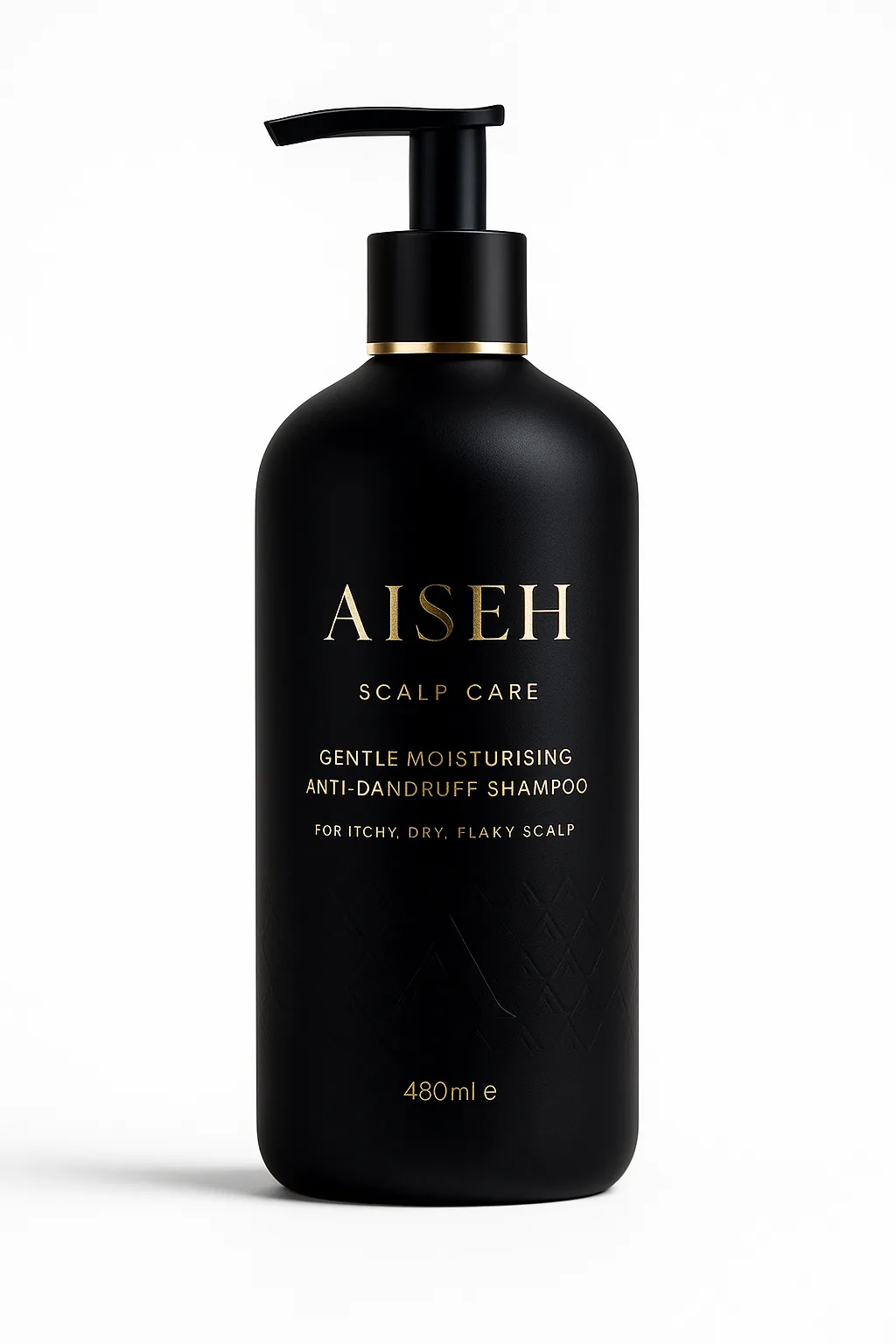
AI studios that specialize in product photography can deliver images with pro lighting, multiple angles, and lifestyle settings. These services suit e-commerce brands that want to grow their catalogs. You skip the studio rental and photographer fees, too. Expect white-background shots, 360-degree views, and lifestyle images that show the product in context.
Fashion and Apparel Photography
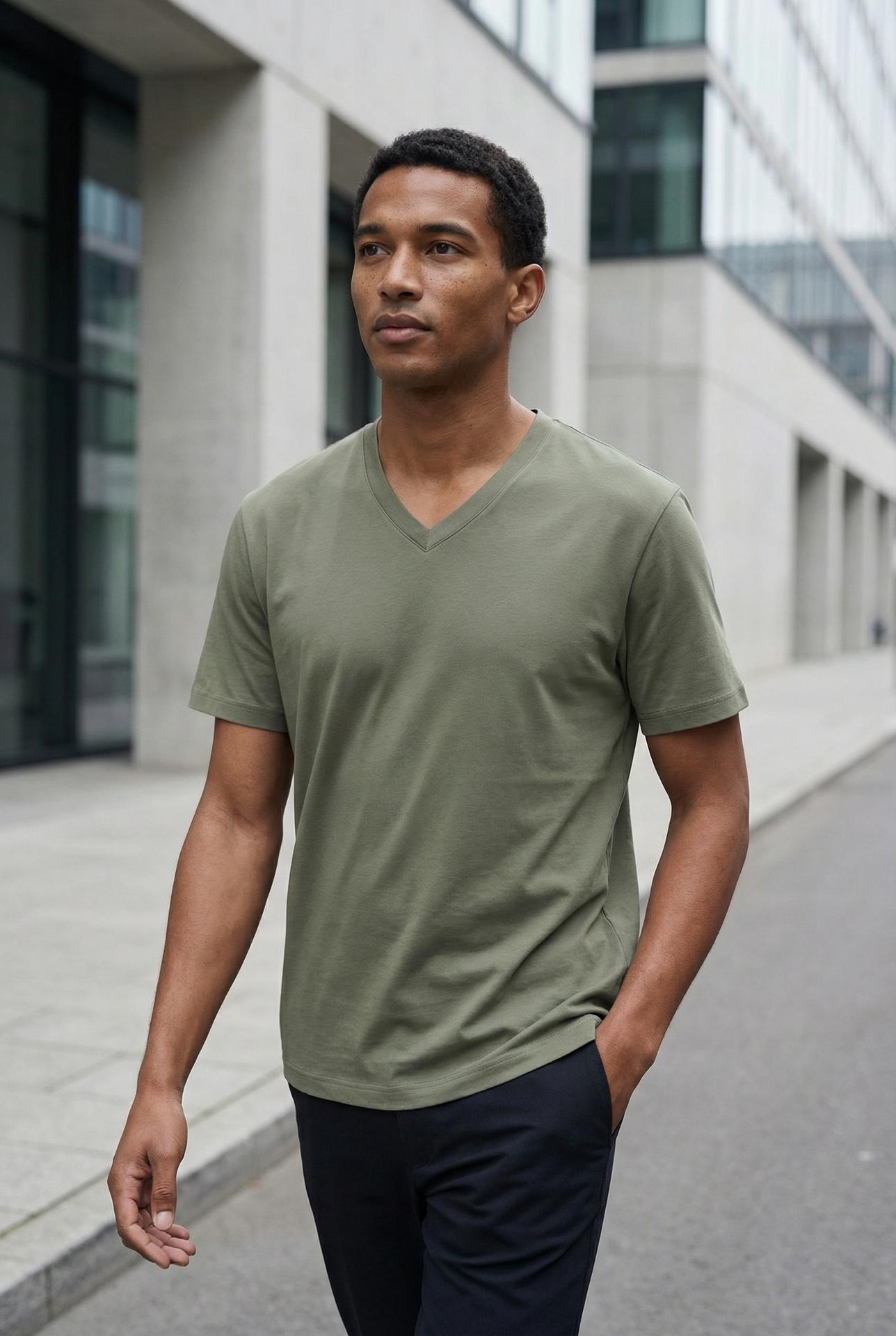
Fashion-specific AI services offer diverse models, global styling options, and support for seasonal collections. These services let fashion brands test designs across different body types and age groups. You also skip booking multiple photoshoots or managing complex logistics across markets.
Lifestyle and Brand Imagery
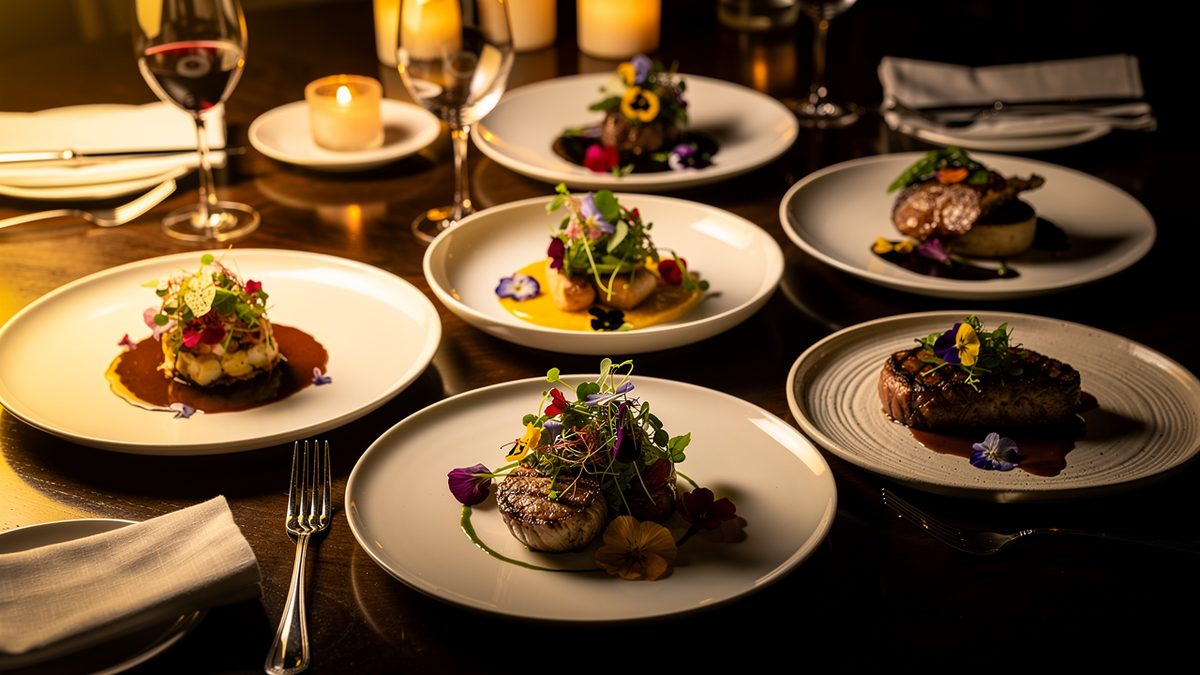
Beyond product shots, many AI services now offer lifestyle photography. These images carry your brand values and build an emotional connection with viewers. They include office settings, lifestyle scenes, team photos, and brand storytelling content for your website and marketing materials.
Bulk and Catalog Services
Enterprises with large product catalogs can use AI services built for volume work. Pricing usually scales with quantity. This makes it cheap to refresh or expand product images across thousands of items. Bulk projects take 48 hours to 2 weeks. The exact time depends on how complex and how large the job is.
Customization and Integration Services
Premium providers can plug into your existing workflows. They also train custom models on your brand's look and offer API access for automated production. These solutions suit enterprises that need every output to match specific brand guidelines.
What to Look For in AI Photography Providers
Quality Standards and Output
Check providers based on:
- Image consistency: All images from a provider should keep the same lighting, color grading, and composition style.
- Detail accuracy: Textures, fabric details, and materials should look real and match the product.
- Color fidelity: Colors should closely match your brand guidelines and product specs, with little post-processing needed.
- Model rendering: Faces, body shapes, and movement should look natural and diverse.
- Background quality: Whether lifestyle or minimal, backgrounds should look real with no obvious flaws.
Ask for a portfolio or sample batch before you commit to a larger project. The samples should show typical output, not hand-picked best results.
Pricing Models and Transparency
When you check AI photography providers, clear pricing matters a lot. Look for providers who explain their pricing plainly. This applies whether they charge per image, per project, by subscription, or with an enterprise model. Clear pricing should include:
- A clear breakdown of what's included (revisions, formats, usage rights).
- No hidden fees for rush delivery or format changes.
- Clear revision rules and what counts as a revision.
- Clear usage rights and licensing terms.
- Better per-unit rates for larger volumes.
- A clear list of what drives cost (complexity, customization, turnaround time).
Pricing varies a lot by provider, project scope, complexity, and your own needs. Do not rely on published rates. Instead, contact providers directly with your project details, and ask for a custom quote.
Turnaround Times
Standard turnaround varies by provider:
- Express: 12-24 hours (premium pricing, small batches only).
- Standard: 3-7 days (most cost-effective for typical projects).
- Bulk: 2-4 weeks (best for large catalogs, lowest per-image cost).
Check that the stated turnaround covers revisions, not just the first delivery. Some providers quote only the first delivery, and revisions can then add a lot of extra time.
Model Diversity and Customization
Quality AI photography providers offer:
- Diverse model options across ages, ethnicities, body types, and sizes.
- Styling, hair, and makeup you can customize.
- The ability to match your brand look or campaign theme.
- Regional customization for markets overseas.
- The option to keep the same model across campaigns.
Some providers limit you to generic templates or preset models. These may not fit your brand's identity or your audience.
Technical Capabilities and Integration
Check whether the provider offers:
- API access for automated workflows.
- Direct integration with e-commerce platforms (Shopify, WooCommerce, Lazada).
- Batch processing and bulk upload capabilities.
- Multiple output formats and resolution options.
- Metadata and SEO optimization for e-commerce use.
Integration matters most if you manage a large inventory or need automated workflows.
Quality Indicators: What Separates Good from Great
Consistency Across Series
Look at how a provider handles a series of images for the same product. Lighting, shadows, color temperature, and background should stay the same across angles and variations. If they don't, that points to uneven AI training or weak quality control on the provider's end.
Realistic Material Representation
Different materials need different rendering. Check samples across your product categories:
- Fabrics: Wrinkles, folds, and texture should look natural.
- Metals: Reflections and polish should look real, not over-processed.
- Plastics: Gloss and surface finish should match the product specs.
- Ceramics/Glass: Transparency and light should look accurate.
Proper Handling of Details
Details matter a lot. Check:
- Product logos and branding stay clear and accurate.
- Text on packaging is readable, not blurred or warped.
- Buttons, zippers, and other parts look like they work.
- Colors are accurate, especially for fashion and branded items.
Minimal Post-Processing Requirements
Quality AI output should need little editing. Do you keep having to fix backgrounds, correct colors, or touch up images? Then the provider's quality may not match your needs. Some post-processing is normal, but heavy retouching is a warning sign.
Understanding AI Photography Service Categories
AI photography services usually fall into a few categories, each suited to different business needs:
- Basic Product Photography: Simple white-background or minimalist shots, ideal for e-commerce catalogs.
- Lifestyle Product Photography: Product images set in real environments or shown with models.
- Fashion and Apparel: Model-based clothing and accessory shots, with diversity and styling options.
- Campaign and Custom Imagery: Heavily customized, brand-specific images for marketing campaigns.
- Subscription Services: Ongoing monthly production with flexible usage and turnaround.
- Enterprise Solutions: Custom integrations, high-volume production, and dedicated support.
Pricing depends on complexity, customization, turnaround time, and volume. It also depends on the exact capabilities your project needs. Ask multiple providers for quotes based on your exact specs. This shows you what the investment looks like for your business.
Questions to Ask Potential Providers
Essential Questions
- What does your revision process look like? How many revisions are included? What counts as a revision vs. a new request? What are the revision fees?
- What are your usage rights? Can I use images for e-commerce, advertising, and social media? Are there limits on resale or white-label use?
- How do you keep my project consistent? Will you use the same AI model or settings throughout? Can you give me consistency guidelines?
- What's included in your pricing? Are multiple formats included? Metadata optimization? Color profile adjustments?
- How do you handle quality control? Who reviews images before delivery? What's your quality assurance process?
- What happens if I'm dissatisfied with results? What's your refund or rework policy?
- Can you integrate with our existing systems? Do you offer API access or e-commerce platform integration?
- How do you handle sensitive brand information? What are your confidentiality and data protection practices?
Industry-Specific Questions
For E-Commerce: Do you optimize for platform rules (Amazon A+, Shopify, Lazada)? What resolution and format options do you support? Can you handle bulk SKU uploads?
For Fashion: How diverse are your models? Can you match my brand look across collections? Do you offer seasonal or trend-based styling?
For Luxury Brands: Have you worked with high-end product categories before? How do you protect brand integrity and keep that sense of exclusivity?
For Enterprise: What's your maximum monthly capacity? Do you offer dedicated support or account managers? What SLAs do you provide?
Red Flags and Warning Signs
Be cautious of providers that:
- Refuse to show samples: Good providers are proud to show their portfolio work.
- Offer prices that seem too good to be true: Rates well below the market often mean lower quality.
- Won't explain their process: Being open about how they work is essential.
- Guarantee perfection: Responsible providers admit their limits and explain their revision process.
- Have vague revision policies: Unclear revision terms lead to disputes.
- Don't discuss usage rights clearly: Confusion about licensing creates legal risk down the line.
- Can't handle customization: One-size-fits-all providers may not suit specialized needs.
- Lack an established process: Disorganized providers give you inconsistent results.
Top Use Cases for Singapore Businesses
E-Commerce Catalog Expansion
Singapore's thriving e-commerce sector gets a big boost from AI photography. Platforms like Lazada, Shopee, and independent Shopify stores can refresh their images and expand product listings. They can test new categories too, with no major studio investment needed. Providers can produce 100+ product images in 2 weeks, at a fraction oftraditional photography costs. This has changed how brands manage their catalogs.
International Market Testing
Brands preparing to export to the US, UK, or Australia can use AI photography to create region-specific product images. These can feature local models and local style. You skip the multiple photoshoots and complex international logistics.
Seasonal and Campaign Content
Retail brands can produce fresh campaign images for every season, sale, or promotion. You don't need to commit budget to traditional shoots months in advance. AI services let you test and refine creative ideas fast.
Social Media Content Production
Singapore-based lifestyle and fashion brands use AI photography to keep their social media content consistent. They can produce 50-100 images a month for Instagram, TikTok, and Pinterest campaigns, at costs they can control. This has changed content marketing.
Luxury Product and Brand Photography
High-end brands in Singapore, Asia-Pacific, and other markets use specialized AI providers. This lets them scale production while they keep that sense of exclusivity. Luxury work needs providers who understand the fine points of brand positioning.
B2B and Corporate Imagery
Service businesses, tech startups, and B2B companies use AI photography for website images, presentation materials, and LinkedIn content. Professional corporate imagery once needed hired models and photographers. Now it's easy to get at scale.
How to Evaluate AI Photography Quality
Request a Test Batch
Before you commit to a large project, ask for a small test batch of 5-10 images. Use your real product specs, and pay for this if you need to. It's a small cost that can save you from major mistakes. Check it against all the quality signs covered earlier.
Compare Against Your Baselines
If you already have product photos, compare the AI output directly against them. Ask: Are the colors accurate? Is the detail just as good? Are backgrounds just as polished? Is the composition just as professional? How much post-processing would you need?
Test Across Use Cases
Ask for samples in different settings: a simple white-background shot, a lifestyle image, and a scene in context. This shows whether the provider is only strong in specific cases. Or it shows whether quality stays high across the board.
Assess Consistency
If the provider delivers multiple versions of the same product, check whether style, lighting, and color stay consistent. If they don't, that's a sign of weak quality control on the provider's end.
Making Your Decision
Choosing the right AI photography provider means weighing a few factors together:
- Budget alignment: Match pricing to your project scale and turnaround needs.
- Quality standards: Make sure output meets or beats your baseline.
- Capability fit: Check the provider can handle your specific use case.
- Integration needs: Think about how it fits your workflow.
- Support quality: See how fast and helpful they are with questions and issues.
- Long-term viability: Check whether the provider can grow with your needs.
The right provider becomes a strategic partner, not just a vendor. Start with a test project, and set up your process. Then scale up gradually as you build trust in their quality and consistency.