In this guide
- Keep the conflict, character motives and reveal order stable across versions.
- Review language, context, captions and visual text separately for each target market.
- Track assets, approvals and final exports by market and version.
Treat Singapore and each regional market distinctly
Choose an audience within each market before choosing dialogue, voices and subtitles. The language options below are starting points to confirm with the buyer and a local language specialist, not a list of AI Studio delivery capabilities or a substitute for audience research.
| Market | Languages to discuss |
|---|---|
| Singapore | English, Mandarin, Malay or Tamil |
| Malaysia | Malay or English; confirm other audience needs |
| Indonesia | Indonesian; specify subtitle or voice versions |
| Thailand | Thai; specify subtitles or voice adaptation |
| Vietnam | Vietnamese; agree dialogue and caption treatment |
| Philippines | Filipino or English; confirm regional audience needs |
Sources: Singapore Tourism Board · Malaysia.gov.my · Indonesia.travel · Tourism Authority of Thailand · Vietnam National Authority of Tourism · Philippine Constitution, Art. XIV.
In Night Shift, a number on a key sleeve must still connect to the desk log. Check translated dialogue, signage and caption timing against that reveal; a locally familiar phrase is useful only if it preserves the story logic. Keep a local review record for the exact version.
Confirm the content-classification and platform rules that apply to the intended release in each market; for Singapore, consult IMDA’s film classification guidance for the distribution or exhibition context. Do not assume a rule for one release method covers every platform.
Compare the microfilm audience-action choices and the aspect-ratio and caption checks before adapting a master.
One story master. Deliberate market versions.
Night Shift · keep the clue stable while reviewing the adaptation.
- Story master
The key is missing; the desk log matters
Lock the clue, character intention and scene outcome.
- Singapore / Malaysia
Choose language and address conventions
Check subtitle timing, local terms and brand wording.
- Indonesia / Thailand
Agree adaptation and language reviewers
Check on-screen reading time, names and cultural context.
- Vietnam / Philippines
Agree adaptation and language reviewers
Recheck the same clue in the final exported version.
Markets are planning examples, not a claim of local offices, assigned reviewers or completed translations.
Create approved character and scene anchors
Keep the character references, costume states, location anchors, key props and brand files in a shared library. Each entry needs an owner, version and approval state. The director and local specialist can then distinguish a story decision from a translation change.
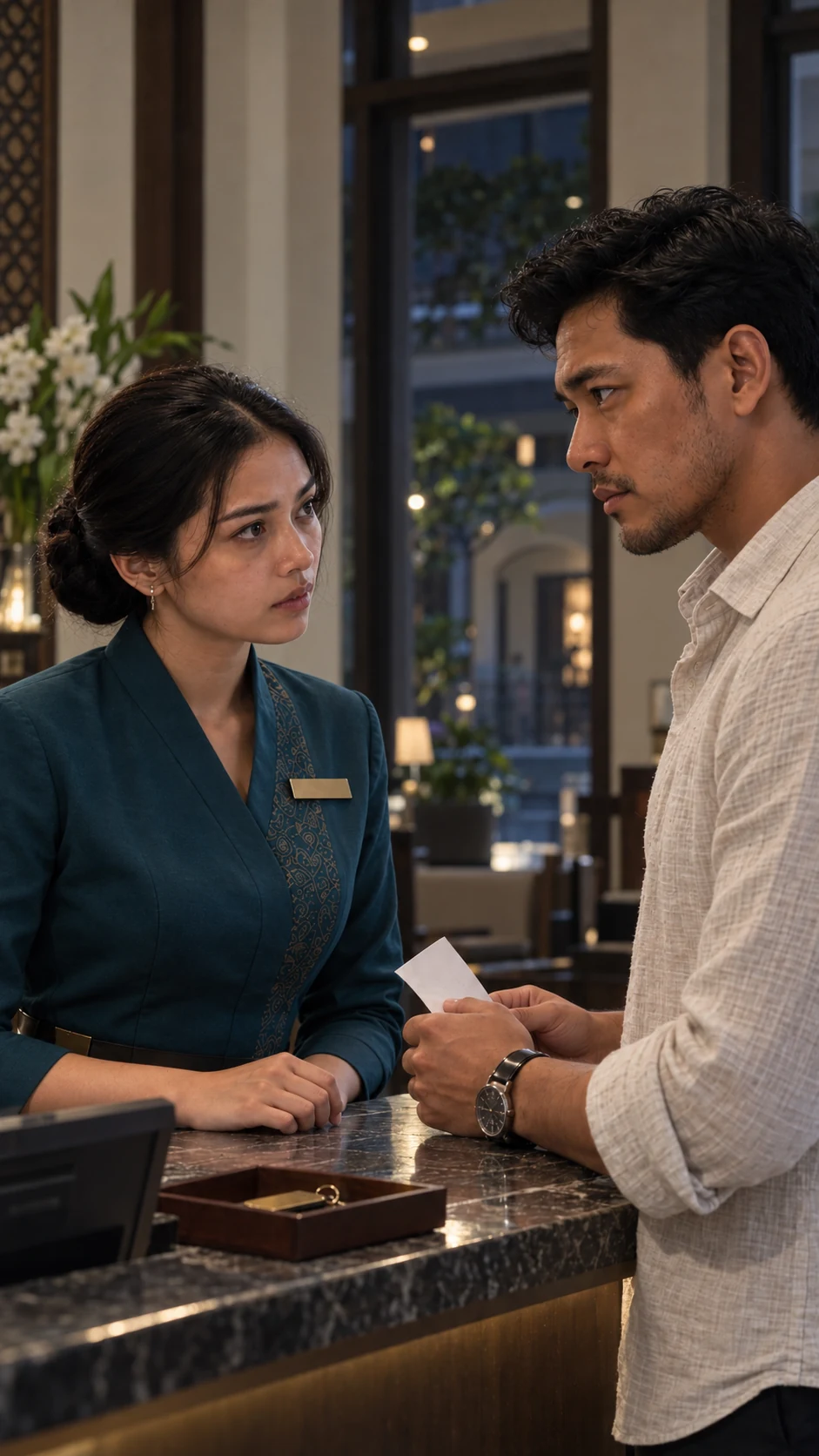
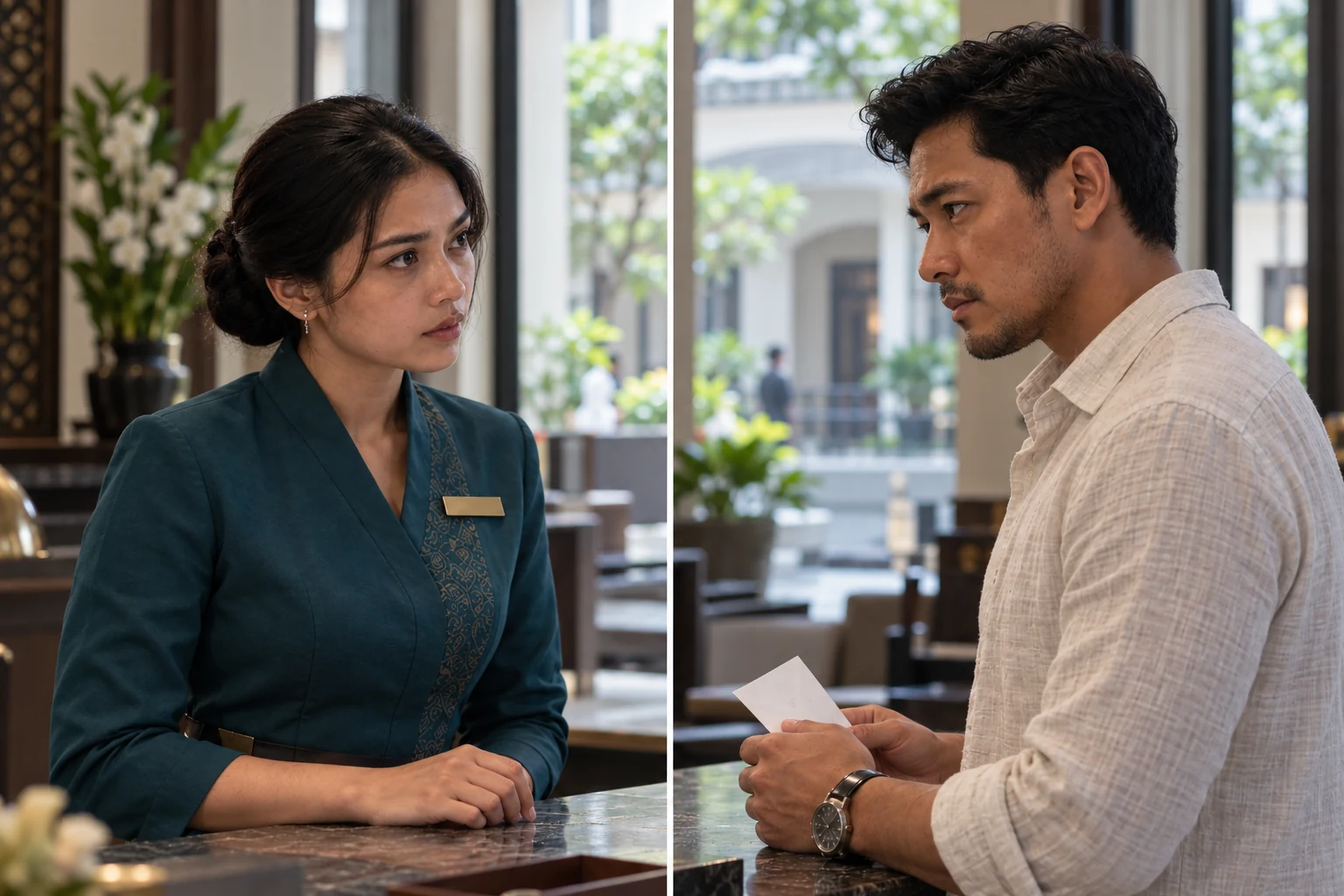
For Night Shift, the teal uniform, cream linen, key tray, number and note are continuity anchors. If a version changes the number, update its prop image, dialogue and storyboard together. Use the series continuity method and scene-state record for that handoff.
Use one scene to test whether changes still work
Start with the desk log and the unlabelled key; let the audience see the anomaly before a character explains it.
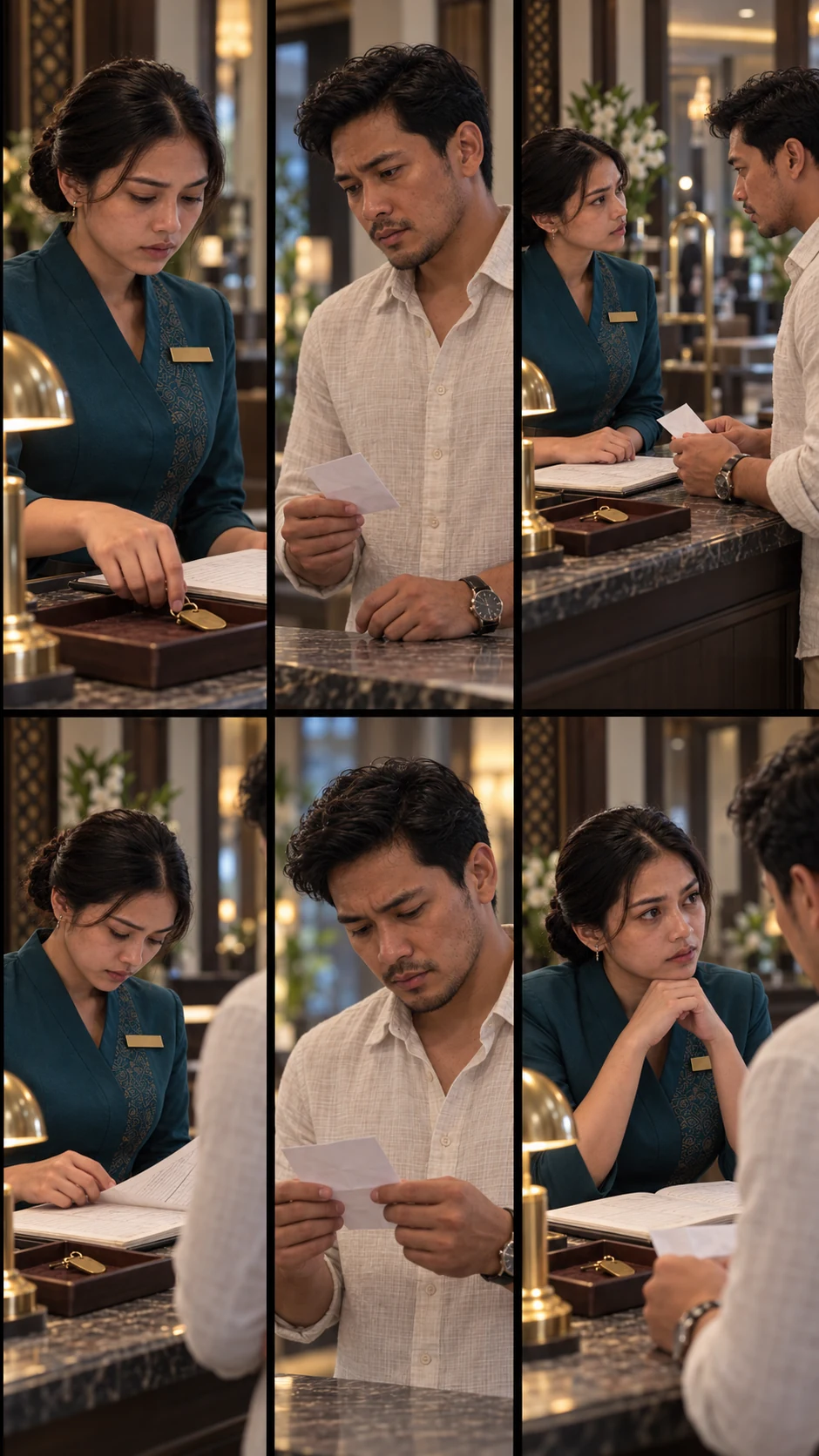
- Find: Aisha discovers a key in the return tray after the night audit.
- Recognise: Rafael sees the handwritten number and asks whether anyone else touched it.
- Check: Aisha finds the room marked vacant, though the key is warm from someone’s hand.
- Reveal: Rafael asks her not to call yet and explains that the folded note relates to a promise.
Test each market version against the same four questions: can the viewer read the number; does the log make sense; do captions preserve the reveal; and does the ending remain a choice? If a line expands in translation, adjust the shot or timing rather than shrinking text until it is illegible. For action continuity, see the Last Ferry cut and prop log.
Keep one traceable record per market and export
Give each market export one record containing its language, source cut, owner, version, approval date and change summary. Use clear states: draft, in review, approved and superseded. Attach feedback to the affected scene or asset.
A revised caption can change a line break; a replacement sign can alter a clue; a new voice track can move a pause. Play the whole export after material changes. Our AI microdrama production in Singapore service names the approval gates; an approved master does not automatically approve its adaptations.
At review, compare the export filename with the sign-off record. Preserve the previous version so a later correction can be traced without guessing which cut the buyer saw.
One changed line can affect several assets
Worked example: adapting the hotel instruction without losing the clue.
Keep
The guest must leave a message with reception
The instruction still causes Aisha to inspect the log.
Adapt
Politeness and phrasing to the agreed audience
A qualified language reviewer checks meaning and tone.
Recheck
Voice duration, subtitle cue and reaction shot
A longer sentence may require edit timing changes.
Record
Version ID, decision owner and affected outputs
Approve the named version after full playback.
This is a dependency example. It contains no unreviewed translated dialogue.
Scope the regional pilot and its reviewers
Bring the market and language matrix, the master story and the people responsible for local sign-off. Confirm whether each version needs subtitles, new voices or revised visuals, then resolve talent and rights requirements before production.
Plan one story review, a language review for each version and a final export review. Record who makes the final decision when feedback conflicts. The story brief and pilot approval checklist supply the wider planning detail.
Finish with a version-by-version review of the clues, captions and audience destination. Keep the change log with the delivered file so later edits start from the correct master.
Common questions
Does one English script serve every Southeast Asian market?
Not automatically. Confirm who will watch each version and how dialogue, visible text, references and timing need to change for that audience.
What do we confirm before a regional version?
Confirm the intended audience and language, whether the version needs subtitles, voices or visual changes, the local approval owner, talent and rights requirements, and the master cut it will use. Agree those choices before producing adaptations.
How do teams prevent confusion between market versions?
Give each export a market, language, version, owner and sign-off record. Keep feedback tied to its scene, then watch the complete revised cut before replacing the approved file.
Bring us the story you want to tell.
Tell us your audience, target markets, languages and the kind of series or microfilm you have in mind. We’ll discuss the creative direction, pilot and production scope with you.